If broad rosettes of oval leaves are pressing themselves flat against your grass and shrugging off every pass of the mower, you are almost certainly dealing with plantain. The quickest fix for a handful of plants is to lever each one out by the root with a narrow blade before it sets seed. For a lawn freckled with dozens of them, the longer answer is to thicken the grass and relieve the compacted soil that let plantain settle in the first place. Do both, and a cleared lawn stays clear for years.
Plantain is one of the most common broadleaf weeds in summer grass, and one of the most stubborn, because of the way it grows. It sits below the height of your mower blades, photosynthesises while the grass around it gets cut, and anchors itself with a tough root that snaps if you simply yank it. This guide covers how to tell it apart from your grass, why it took hold in the first place, how to lift it out without leaving an open invitation for the next weed, and how to stop it returning every June.
How to Recognise Plantain in the Lawn
Two species turn up in most lawns. Broadleaf plantain (Plantago major) forms a flat rosette of broad, oval leaves with prominent parallel veins running from base to tip and a short, tough stalk. Ribwort plantain (Plantago lanceolata) has narrow, lance-shaped leaves that stand more upright, again with those distinctive ribbed veins. Both throw up slender flower spikes in summer, broadleaf with a long green tail of tiny flowers, ribwort with a stubby brown head on a wiry stem. If you have ever mown over a lawn and seen those seed stalks spring straight back up untouched, you have met plantain.
The detail that explains everything about plantain is its growth point. The leaves all radiate from a single low crown at soil level, and they splay outwards rather than upwards. A mower set at a normal 3 to 4cm (about 1.2 to 1.6 inches) passes straight over the top of the rosette and barely touches it. While your grass loses a third of its blade and has to regrow, the plantain keeps almost all of its leaf area and carries on feeding its root. Every cut you make tilts the balance a little further in the weed’s favour, which is why a plantain plant in a closely mown lawn often looks healthier than the grass beside it.
Why Plantain Takes Over, and What It Tells You About Your Soil
Plantain is what soil scientists call an indicator weed. Where it spreads, it is usually telling you the ground underneath is compacted and the grass above it is thin. The reason is mechanical. Plantain anchors itself with a short, fibrous taproot that can force its way down through dense, hard-packed soil where the fine roots of fescue and ryegrass struggle to penetrate. On a path edge, a well-trodden play area, or a lawn that has been mown short all season, the grass weakens, gaps open in the turf, and plantain moves into the bare ground that compaction created. It is not really competing with healthy grass so much as colonising the spaces where healthy grass has given up.
It also seeds with alarming efficiency. A single mature broadleaf plantain can shed many thousands of seeds in a season from those upright spikes, and the seeds turn slightly sticky when wet, so they cling to shoes, paws, and mower wheels and get carried across the lawn. That is why a couple of overlooked plants in June can become a scattering of seedlings by late summer. The practical lesson is that removing the plants you can see is only half the job. If you leave the soil hard and the sward thin, the seed bank already in the ground will keep refilling the gaps.
Removing Plantain by Hand the Right Way
For anything up to a few dozen plants, hand removal is the cleanest method and gives instant results. The single most important point is that you must lift the entire crown and root. If you snap the leaves off at the surface, or pull and leave a fragment of root behind, the plant regenerates from what is left and is often back within two to three weeks, sometimes with several growing points instead of one.
Work through it in order:
- Water the area thoroughly the day before, or weed after rain. Moist soil releases the root far more readily than dry, baked ground, where the root tends to break.
- Use a daisy grubber or a narrow weeding knife rather than your fingers. A Spear and Jackson daisy grubber costs around £8 to £10 (about $11 to $13), a stainless Kent and Stowe version around £12 (about $15), and a heavier DeWit grubber around £18 to £20 (about $25 to $28). All have a forked or notched tip designed to slide down beside a taproot and lever it up whole.
- Push the blade in vertically right beside the crown, angle it under the root, and lever upwards while gently lifting the leaves with your other hand. The aim is to pop the whole plant out, root and all, in one piece.
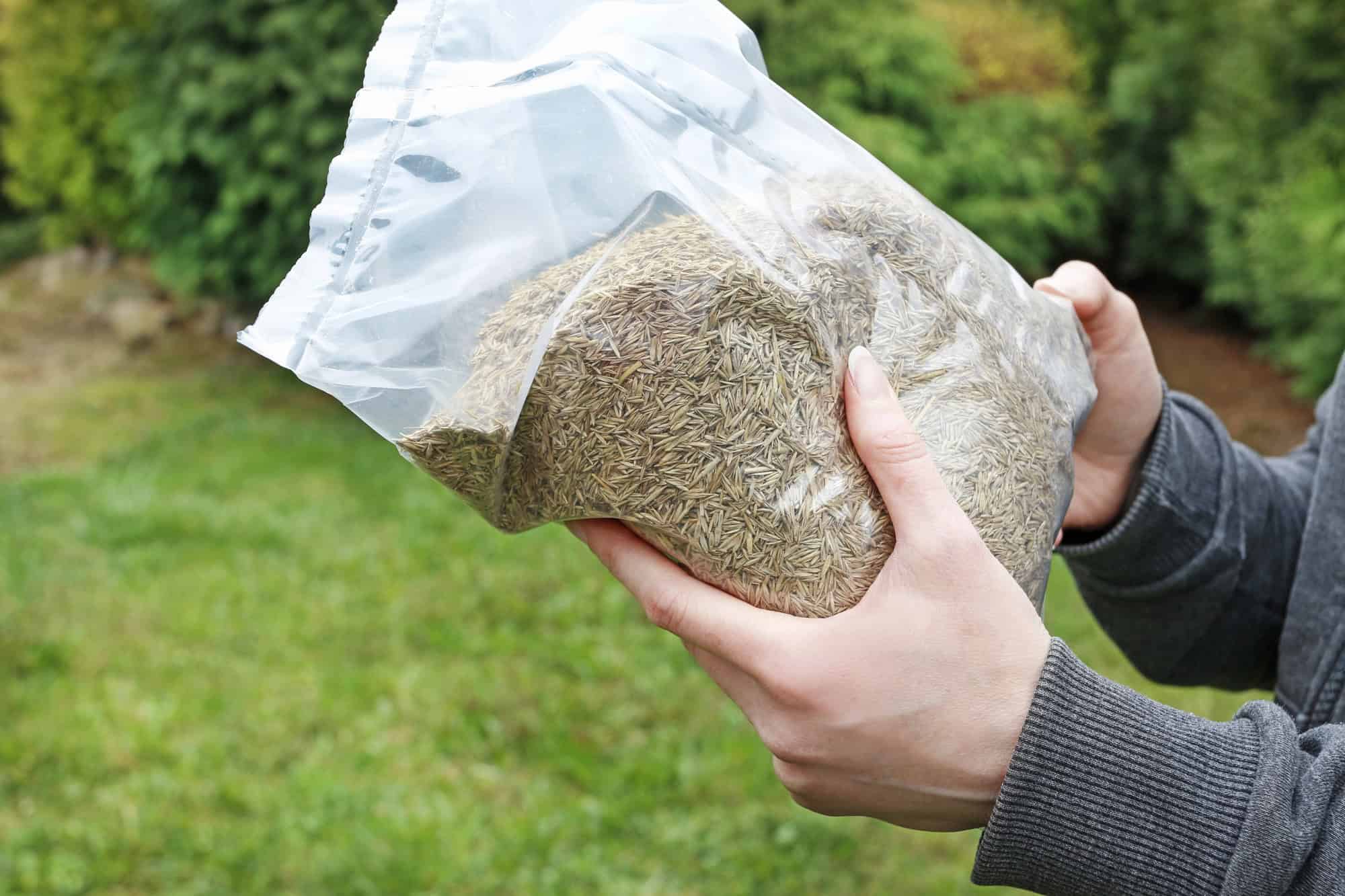
- Fill the hole. A plantain root leaves a surprisingly deep cavity, and an open patch of bare soil is exactly where the next weed seed will germinate. Press in a little sieved soil or compost, firm it down, scatter a pinch of grass seed, and water.
Reseeding the hole is the step most people skip, and it is the difference between a lawn that closes back over and one that simply trades one weed for another. For more on tackling the broadleaf weeds that spread the same way, see our guide on how to remove dandelions without wrecking the grass around them.
When a Selective Weedkiller Makes Sense
If plantain has spread across a large area and hand weeding would take all weekend, a selective lawn weedkiller is the more practical route. The word selective is the important one. Products based on hormone-type herbicides such as 2,4-D, MCPA, mecoprop-P, and dicamba are absorbed by broadleaf plants and disrupt their growth, but leave narrow-leaved grasses unharmed. A concentrate such as Weedol Lawn Weedkiller costs around £10 to £14 (about $13 to $18) and treats a large lawn, and similar selective feeds and weedkillers are sold under Resolva, Scotts, and most garden centre own brands. You will find them at B&Q, Homebase, Home Depot, Lowe’s, and Amazon.
Plantain leaves carry a waxy surface that sheds liquid, so thorough coverage and the right timing make the difference between a kill and a setback. Apply when the plants are actively growing in warm, moist conditions, not during a drought. There are two reasons for that. A drought-stressed plantain pulls in less herbicide through its waxy, half-dormant leaves, so the treatment underperforms, and applying weedkiller to grass that is already stressed by heat and dry soil risks scorching the lawn you are trying to protect. Avoid mowing for three to four days either side of treatment so there is plenty of leaf to absorb the chemical and the plant has time to move it down to the root. A second application after four to six weeks deals with any survivors. Never reach for a glyphosate weedkiller as a spot treatment in a lawn, because glyphosate is non-selective and kills the grass along with the weed, leaving you a dead patch to reseed.
Stopping Plantain Coming Back
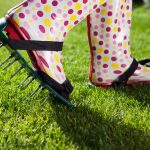
Because plantain is an indicator of compaction and thin turf, lasting control comes from fixing those two conditions rather than from repeated weeding. Aerate the lawn to relieve compaction, either by pushing a garden fork 10cm (about 4 inches) deep every 15cm or so across the worst areas, or by hiring a hollow-tine aerator for a larger lawn, ideally in autumn when the soil is moist and recovery is quick. Raise your mowing height and stick to the one-third rule, never removing more than a third of the blade in a single cut, so the grass keeps enough leaf to shade out low-growing weeds. Feed the lawn through the growing season to thicken the sward, and overseed any thin or bare areas so weed seeds find no open ground to colonise. A thick, well-rooted lawn growing on uncompacted soil simply gives plantain nowhere to establish.
If you are not sure which grasses you are working with, or why some areas thin out faster than others, our guide on how to identify your grass type and choose the right care for it is a useful next step. Tackle the plants you can see this week, reseed the gaps they leave, and put the longer-term work into your autumn list, and plantain stops being an annual battle and becomes a weed you barely notice.