Why Brown Footprints Appear on Your Lawn After the First Frosts (and How to Stop Them Without Any Work)

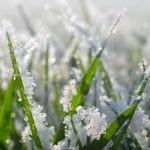
The white on the grass is frost, and the brown shapes that…
The white on the grass is frost, and the brown shapes that…
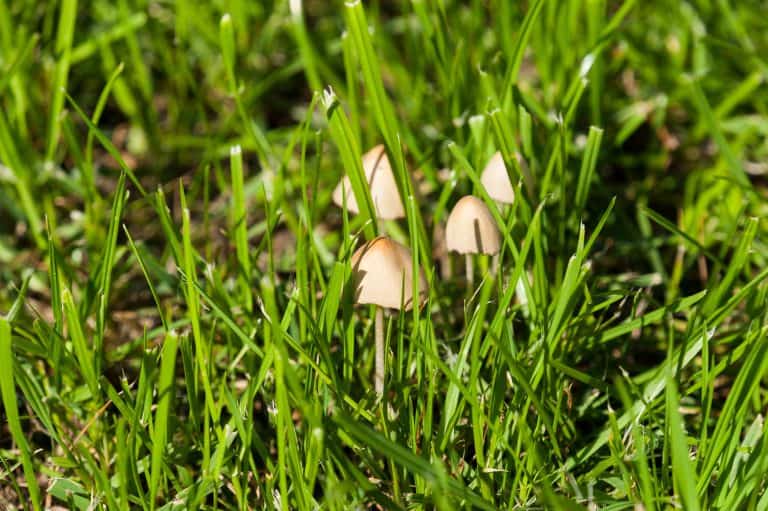
Mushrooms and toadstools on a lawn are the fruiting bodies of a…

The Clumps on the Lawn Are Coming From Under the Deck The…

Moss Is the Symptom, Not the Enemy You walk back in from…

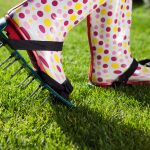
A thin, worn lawn after summer is not finished, it is just…

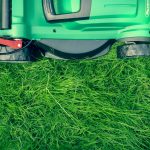
A hard, low “winter cut” does not tidy a lawn for the…

Blue or white smoke on start-up almost always means oil has reached…
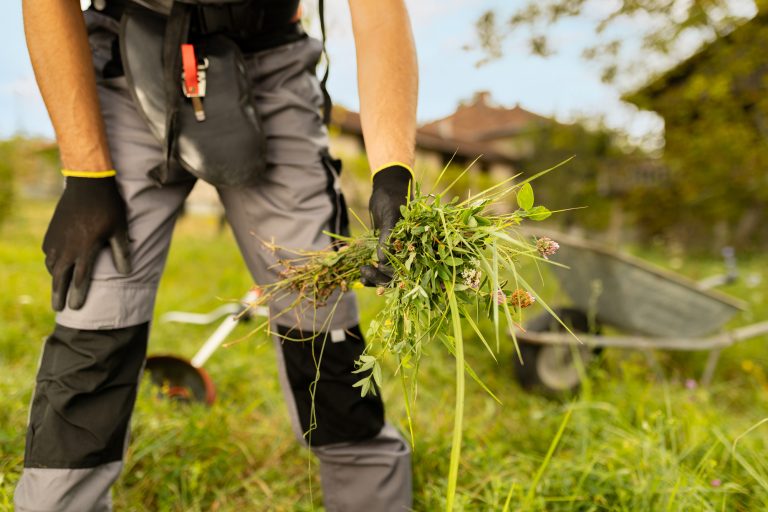
Creeping cinquefoil is the low, flat weed with leaves split into five…

If your lawn looks ragged and pale a day after cutting, with…

Worm casts are small coils of muddy soil that a few earthworm…

The birds ripping up your lawn are hunting chafer grubs feeding on the roots below, and the damage peaks in early autumn as the grubs fatten up. Watering in Heterorhabditis bacteriophora nematodes while the soil is still 12 to 20 degrees Celsius kills the grubs without any chemicals.

An autumn lawn feed should be high in potassium and phosphorus and low in nitrogen, so it builds roots and hardens the grass for winter rather than forcing soft top growth. Scatter it at 20 to 30 grams per square metre just before rain, after scarifying and aerating, and only on a lawn that is still growing.