
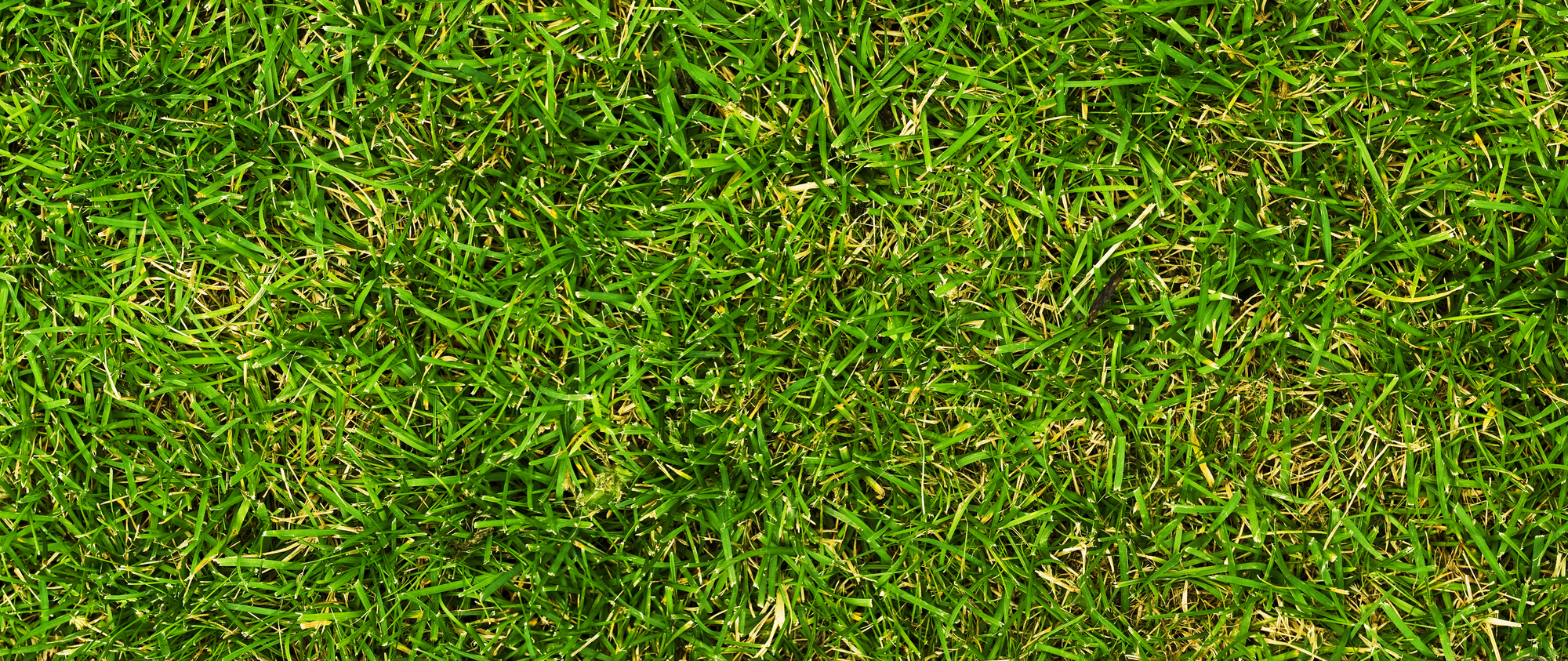
If you are tired of mowing, watering and feeding a patch of grass that browns off every summer, a chamomile or thyme lawn is worth considering. These scented, low-growing ground covers need no regular cutting, release a soft fragrance when you walk on them, and shrug off dry spells that leave grass crisp. They are not a drop-in replacement for a hard-wearing family lawn, and they ask for patience while they establish, but on a sunny, free-draining site they can turn a high-maintenance square of turf into something you barely have to touch. The choice between the two comes down mostly to your soil and how much foot traffic the area sees.
What a chamomile or thyme lawn actually is
A chamomile lawn is a carpet of low, ferny, apple-scented foliage. The plant to use is the non-flowering chamomile, Chamaemelum nobile ‘Treneague’, a clone that the Royal Horticultural Society recommends specifically for lawns because it stays low, around 5 to 10cm (2 to 4 inches), and does not throw up the daisy flowers that ordinary chamomile produces. Because it does not flower, there are no blooms to trim off and no risk of barefoot stings from visiting bees, which makes it the better choice where children play.
A thyme lawn uses creeping thyme, usually Thymus serpyllum, which forms a dense mat 2 to 4 inches (about 5 to 10cm) high and covers the ground with tiny aromatic leaves. Unlike Treneague chamomile, creeping thyme does flower, throwing up a haze of pink, purple or white in early summer that is a magnet for bees. That is a positive for pollinators and a consideration if you like to walk barefoot, since you will be sharing the surface with foraging insects for a few weeks. Both plants share the same appeal: a soft, fragrant, evergreen or semi-evergreen cover that needs no weekly mow and only an occasional tidy.
Chamomile or thyme: which suits your soil
Soil and rainfall decide this for you. Chamomile prefers an open, sunny site on a light soil such as a sandy loam, and it needs a degree of moisture to thrive. It will cope with light dappled shade, but anything more than that gives thin, patchy cover. Heavy clay is unsuitable, because it sits wet through winter then bakes hard in summer, and very dry, stony ground starves the plant of the moisture it wants. If your soil is reasonable and you can water through a dry spell, chamomile gives the softer, greener, more lawn-like surface of the two.
Thyme is the tougher, more drought-proof option. On very free-draining soil, in a low-rainfall spot, or anywhere watering is not practical, a thyme lawn will outperform chamomile because it positively prefers lean, dry, sharply drained conditions. Its origins as a Mediterranean rockery plant show in its tolerance of heat and poor soil. The trade-off is durability underfoot: thyme stands up to light foot traffic but is not sturdy enough on its own to take heavy play, running children or dogs. If the area is a quiet path, a seating spot or a decorative square rather than a sports pitch, thyme is ideal. For a sun-baked, never-watered corner, it is often the only sensible choice.
How to plant and establish one
Whichever you choose, preparation is the same and it sets up everything that follows. Clear the area of all grass and weeds, because once your ground cover is in there is no selective weedkiller to rescue it later. Dig over the soil, work in some horticultural grit on heavier ground to sharpen the drainage, rake to a fine, level tilth and firm it gently. A weed-free, crumbly surface is the single biggest factor in success.
Treneague chamomile does not come true from seed, so it is planted from small plants or plugs spaced 10 to 20cm (4 to 8 inches) apart, depending on plant size. Closer spacing knits together faster but costs more. At 15cm spacing you need roughly 40 to 45 plants per square metre, and 9cm plants typically cost around 3 to 5 pounds (about 4 to 6 dollars) each, so this is the expensive route: covering even a small area runs into a meaningful outlay. Ordinary flowering chamomile can be raised from seed far more cheaply if you do not mind the flowers and a slightly higher-maintenance result.
Creeping thyme can be grown from seed, which is much cheaper at roughly 7 to 14 dollars to cover a sizeable area, or from plug plants for faster, more even results. Thyme seed is slow, germinating in two to three weeks in warm soil and putting on little visible growth in the first season. Whichever plant you use, water it in well and keep it watered through the first dry spells while the roots take hold. The golden rule is to stay off it: a new chamomile lawn should not be walked on for at least twelve weeks, and traffic on either lawn should be kept to an absolute minimum for the whole of the first year while the plants spread and merge.
Looking after an established lawn
The whole point of these lawns is low effort, and once they have knitted together they ask very little. Neither needs the weekly mow grass demands. A chamomile lawn benefits from an occasional light trim with shears or a strimmer on a high setting to keep it dense and even, and a gentle roll or a firm tread early in the season helps it spread sideways into a tighter mat. A creeping thyme lawn is best sheared over lightly after its flowers fade, both to neaten it and to encourage fresh compact growth rather than woody, bare-centred clumps.
Feeding should be sparing. Both plants come from lean soils and a rich diet does them no favours, producing soft, floppy growth that flops open and invites weeds. Skip the high-nitrogen lawn feeds entirely; at most, a thin scatter of general-purpose fertiliser in spring is plenty, and many gardeners feed nothing at all. Watering follows the same logic: see them through dry spells in the first year, then water only in prolonged drought once the roots are deep. Keep on top of stray weeds while they are small, and lift and replace any patch that dies back or goes woody by tucking in a fresh plug. Done this way, the upkeep amounts to a few minutes now and then through the season rather than an hour every weekend, which is exactly why people make the switch.
What to be realistic about before you dig up the grass
These lawns reward the right expectations and punish the wrong ones. The biggest cause of failure is planting on the wrong site, so be honest about your soil and sun. A chamomile lawn on heavy clay, or either plant in real shade, will sulk, thin out and let weeds move in. The second pitfall is impatience. Walking on a young chamomile lawn in its first weeks crushes the soft new growth before it has knitted together, leaving gaps that never quite close. Give it the full establishment time even though the bare soil between young plants looks unfinished.
Weeding is the ongoing job. With no selective herbicide available, every weed that appears has to be pulled by hand, which is manageable on a small, decorative area but becomes a chore on a large one. For that reason, these alternatives work best as modest features, a fragrant path, a seating circle, a sunny bank, rather than as a sweeping replacement for a whole back lawn. Set against that, the rewards are real: no mowing, very little watering once established, a scent released underfoot, and on a thyme lawn a few weeks of flowers for the bees. If your patch of grass is small, sunny and well drained, and you are willing to invest a season of patience and a little hand weeding, a chamomile or thyme lawn can be one of the most pleasant surfaces in the garden. Where the ground is shaded, heavy or heavily used, a hard-wearing grass lawn remains the practical choice, and there is no shame in keeping the mower for that.