The single most useful thing you can do with a season of grass clippings is stop throwing them in the bin and start turning them into compost. A summer lawn the size of two parking bays produces enough clippings to fill several bin bags a month, and that material is rich in nitrogen, the same nutrient you pay for in a bag of lawn feed. Composted properly, those clippings become a dark, crumbly soil improver you can spread back onto the lawn or dig into beds, closing the loop and saving the cost of both disposal and bought compost.
The catch is that grass clippings on their own almost never compost well. Pile them up by themselves and within two days you get a hot, sloppy, foul-smelling green mush that takes months to break down. Understanding why that happens, and the one ratio that prevents it, is the difference between a compost heap that works and one that drives you back to the bin.
Why Clippings Turn to Slime on Their Own
Composting is a biological process driven by bacteria and fungi that need both carbon and nitrogen to live and reproduce. Carbon is their energy source and nitrogen builds their bodies. The microbes work best at a carbon to nitrogen ratio of around 30 to 1, a figure confirmed by composting researchers at Cornell University. Fresh grass clippings sit far below that, with a carbon to nitrogen ratio of roughly 12 to 25 to 1, which means they carry a heavy surplus of nitrogen and very little carbon.
When you heap clippings on their own, that nitrogen surplus lets bacteria multiply explosively. They consume all the available oxygen in the pile within hours, and once the oxygen is gone the helpful aerobic microbes die off. A different group of anaerobic bacteria takes over, and these produce the sour, rotten-egg smell and the grey slime familiar to anyone who has tried it. The fine, flat blades of cut grass also mat together, sealing out the air the pile needs to recover. The result is a slow, anaerobic rot rather than fast, sweet-smelling composting.
Getting the Mix Right: Greens, Browns and the 30 to 1 Rule
The fix is to balance the nitrogen-rich clippings with carbon-rich material. In composting language, grass clippings are a “green” along with vegetable peelings, soft prunings and fresh weeds. The carbon-rich “browns” are dry, woody things: shredded cardboard, torn-up paper, dead leaves, straw, sawdust and small twigs. The Royal Horticultural Society advises that a working heap should be made of roughly 25 to 50 per cent soft green material and 50 to 75 per cent brown material, and warns specifically against letting any one ingredient, especially grass, dominate the pile.
In practice, aim for at least one to two parts brown for every one part grass by volume. A simple routine that works: every time you empty the mower box into the heap, add a roughly equal or slightly larger volume of shredded cardboard or dead leaves and mix it through. Cardboard is the easiest brown to keep on hand. Flatten old delivery boxes, tear them into pieces around the size of your palm, and store a stack next to the bin. The corrugations also create air pockets that keep the pile breathing, which is exactly what a grass-heavy heap lacks.
If you have more clippings than browns, the answer is not to bin the surplus but to stockpile dry material through the year. Save autumn leaves in a separate bag and feed them into the heap across the summer when grass is at its peak. A compost bin such as the Blackwall 220 litre model (around 30 to 40 pounds, or 38 to 50 dollars, often subsidised through local council schemes) holds enough volume to keep a steady supply going. Keeping a reserve of browns is the habit that separates people who compost clippings successfully from those who give up after one slimy attempt.
Building a Heap That Heats Up and Breaks Down Fast
A well-built heap heats up because the sheer number of active microbes generates warmth, and a hot heap, reaching 50 to 65 degrees C (122 to 149 degrees F) at its core, breaks material down in weeks rather than months while killing many weed seeds. To reach that temperature you need volume, air and moisture in balance. Build the pile at least one cubic metre (about one cubic yard) in size so the centre can hold heat. Smaller heaps lose warmth too quickly to get going.
Layer it like a lasagne to start: a base of twiggy browns for drainage, then alternate thin layers of grass and brown material, never more than 8 to 10cm (3 to 4 inches) of grass before the next layer of browns. After a week, turn the whole heap with a garden fork to reintroduce air and move the cooler outer material into the hot centre. Turning every week or two keeps the process aerobic and fast. A digging fork costing around 20 to 30 pounds (25 to 38 dollars) from B&Q, Home Depot or any garden centre is all the equipment you need.
Moisture should sit at the level of a wrung-out sponge. Grass arrives wet, so if the pile feels soggy, add more dry browns. If a heap built mostly of cardboard and leaves feels dry and refuses to heat, water it as you turn. Squeeze a handful: a few drops should appear, no more. Get the moisture and the green to brown balance right and a summer heap can produce usable compost in six to ten weeks. If you would rather not turn a heap at all, a cold, slow method still works given patience: keep the same green to brown balance, leave it for nine to twelve months, and let worms and weather do the job at a lower temperature, accepting that more weed seeds will survive.
Common Mistakes and What They Cost You
The first mistake is adding clippings from a lawn treated with a selective weedkiller. Some lawn herbicides contain hormone-type compounds such as clopyralid that pass through the composting process intact and can damage sensitive plants like tomatoes, beans and dahlias when the finished compost is used. If you have applied a weed and feed product, leave the next three or four cuts on the lawn to mulch in place rather than composting them, and check the product label for its specific guidance.
The second mistake is burying a thick, unmixed slab of grass in the middle of an otherwise good heap. It compacts, goes anaerobic and creates a slimy pocket that smells and slows everything around it. Always mix grass through rather than dropping it in as a single mass. The third is impatience: spreading compost that is only half rotted. Immature compost still high in active microbes can temporarily rob nitrogen from your soil as it finishes decomposing, briefly yellowing the very lawn you are trying to feed. Wait until the material is dark, crumbly and smells of woodland floor before you use it.
A fourth point worth knowing is that you do not have to compost every cut at all. Through the main growing season, leaving the clippings on the lawn as you mow, known as grasscycling, returns their nitrogen straight to the soil and feeds the grass for free, provided you mow often enough that the clippings are short and fall between the blades rather than smothering them. Save the composting for the longer, heavier cuts after a holiday or a wet spell, when the volume of grass would lie in thick clumps if left. Splitting clippings between the lawn and the heap this way means neither the bin nor the compost pile is ever overwhelmed.
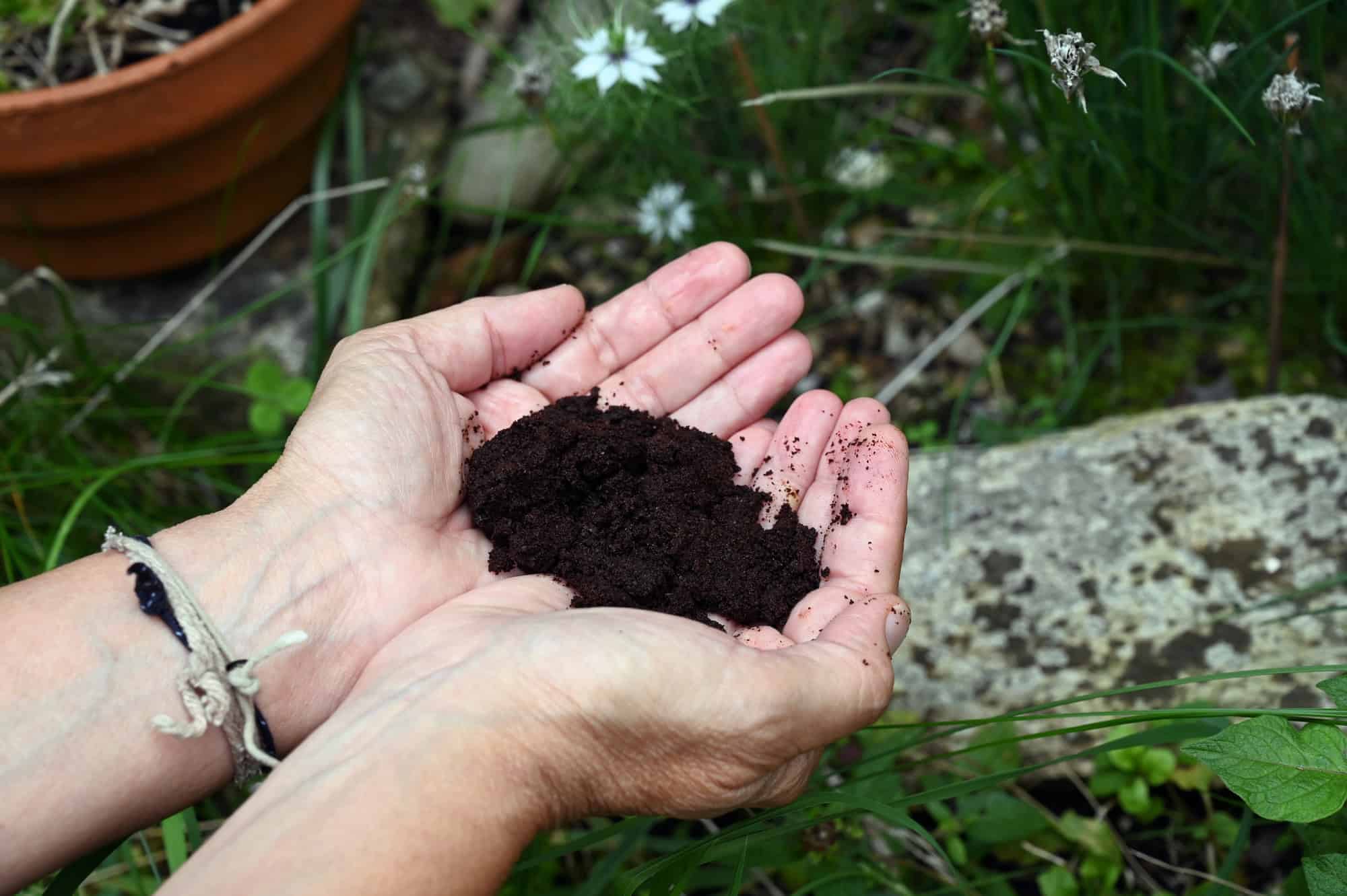
Finished clipping-based compost is excellent spread thinly as a top dressing on the lawn in autumn, sieved to remove any lumps, at a rate of around one to two kilograms per square metre. It feeds the soil, improves moisture holding in sandy ground and lightens heavy clay. The clippings that once cost you bin space and bags become free fertiliser, and the only thing you spent was a few minutes mixing in cardboard each week. For anyone trying to cut both household waste and lawn care bills, it is one of the highest-value habits in the garden.