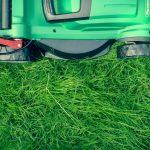

A thin ribbon of standing grass left behind on every pass is one of the most irritating mower faults, partly because it looks like the machine is mocking you. The fix is usually quick once you know which of a handful of causes is to blame, and almost none of them mean the mower is broken. A strip of uncut grass is a geometry and airflow problem: the blade is either not reaching that sliver of lawn, not standing it up to cut it, or the deck is set so the grass slips underneath untouched. Work through the five common causes below in order, because the first two are the most likely and the cheapest to put right.
The Five Usual Causes, From Most to Least Likely
First, your overlap is too small. Every mower is designed to be driven so each pass overlaps the last by a few centimetres, and on ride-on decks with two or three blades the blades themselves are set to overlap each other by around 1cm (about half an inch) so there is no gap between their cutting circles. If you mow in dead-straight lines that just touch the previous cut edge instead of biting into it, the uncut sliver at the very edge of the deck never gets trimmed. The fix costs nothing: deliberately overlap each pass by 5 to 10cm (2 to 4 inches). On a ride-on, line up your front wheel with the cut edge of the previous run rather than the uncut grass.
Second, the blade is blunt or worn short. A blunt blade does not slice grass, it batters it, so thin or wiry blades simply bend out of the way and spring back up after the mower passes, leaving a fuzzy strip. Worse, every time a blade is sharpened it loses a little length, and on multi-blade decks that lost length eats directly into the designed overlap until a permanent uncut strip appears between the two blades. Check the blade: if the cutting edge is rounded or the blade is visibly shorter than a new one, sharpen it or, if it has been ground down over several seasons, replace it. A replacement walk-behind blade costs around £12/$15 and a ride-on blade set £30/$45 from Amazon, B&Q, or a mower dealer, and fitting matched-length blades restores the overlap.
Airflow, Deck Level, and Blade Fitting
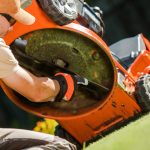
Third, the deck is clogged underneath. The underside of a mower deck is shaped to create suction that lifts each blade of grass upright a fraction of a second before the blade reaches it. Pack that space with caked, wet summer clippings and the airflow collapses, so the grass is never stood up and a strip lies flat and survives. This is one of the most common summer causes and one of the easiest to miss. Disconnect the spark plug or remove the battery, tip the mower with the air filter side up, and scrape the underside clean with a plastic putty knife. A clean deck restores the lift and very often the strip vanishes on the next pass.
Fourth, the deck is not level, or it is set nose-high. A mower deck should sit very slightly lower at the front than the rear, a deliberate fraction called rake or attitude, usually around 3 to 6mm (an eighth to a quarter inch) of forward drop. If the front of the deck rides higher than the back, the airflow pushes the wrong way and the necessary lift is lost, leaving uncut grass. Check your tyre pressures first, because a single soft tyre tilts the whole deck and is the most overlooked cause of all; inflate all wheels to the pressure printed on the sidewall or in the manual. Then check the deck levelling using the method in your handbook, which usually involves measuring blade-tip height at the front and rear on a flat floor and adjusting the hangers until the front sits the specified amount lower.
Fifth, the blade is fitted upside down or the wrong way round. Mower blades have a lift wing, the raised, angled section at each end, and that wing must face up toward the deck to generate the airflow that stands the grass up. After a sharpening or a blade change it is easy to bolt the blade back on inverted, and an upside-down blade still spins and still flattens grass but no longer lifts or cuts it properly, leaving strips and a generally poor finish. Look for the stamped wording, often Top or This Side Up, or simply confirm the cutting edges lead the rotation and the wings point up at the deck. Refit it the right way round and torque the bolt to the figure in the manual, because a loose blade is both a poor cutter and a safety risk.
A Quick Diagnosis Order and What Goes Wrong If You Ignore It
Work through these in the cheapest-first order and you will usually solve the problem in minutes. Start by changing how you drive: add more overlap on each pass and see if the strip disappears, since that costs nothing. If it remains, check tyre pressures, then scrape the deck, then inspect the blade for sharpness, length, and fitting. Only after all of that should you start measuring deck level, because levelling adjustments are fiddly and rarely the cause on a walk-behind mower. One extra cause worth knowing on lawns rather than machines: if you always mow the same direction every week, the wheels press a tramline of grass flat in the same place and it never gets cut. Alternate your mowing direction each session so no strip is permanently pressed down, which also reduces soil compaction and helps the grass stand upright.
Leaving the fault unaddressed does more than annoy you. The uncut strips grow taller and coarser than the rest of the lawn, they seed if left long enough, and re-mowing to chase them wastes time and fuel or battery while putting extra hours on the machine. A nose-high deck or an upside-down blade also tends to scalp and tear elsewhere, so the whole cut suffers, not just the strip. Worst of all, a blunt or loose blade that you keep running because the mower still moves becomes a safety hazard and shreds the grass tips, opening them to disease in warm summer weather. Spend ten minutes on the five checks and you fix the strip, sharpen the rest of your cut, and keep the mower running as the maker intended.
Why Summer Makes Strips Worse
If the strips only appear in the warm months, the season itself is part of the cause. Summer grass grows fast, soft, and dense, and after rain or morning dew it stays damp far longer in a thick sward. Soft, wet blades flatten under the deck instead of standing up, and they clog the underside within a single pass, killing the lift that would otherwise cut them. Letting the lawn get away from you between cuts compounds it, because a tall, thick flush of growth overwhelms the deck and a mower that copes fine in spring suddenly leaves ribbons everywhere in June and July.
The seasonal fixes are simple. Mow more often in the growing season, ideally twice a week if growth allows, so you never remove more than a third of the blade height in one cut and never overload the deck. Mow when the grass is dry, usually late morning once the dew has lifted, because dry grass stands up and slices cleanly while wet grass bends and packs. Raise the cut height a notch in hot, dry spells, both to reduce the volume of clippings the deck has to clear and to leave more leaf area, which keeps the lawn healthier under heat stress. And scrape the deck more often through summer than at any other time, because the warm-season buildup that flattens your cut accumulates in days rather than weeks. Put those habits together with the five mechanical checks and the uncut strip stops being a summer fixture.