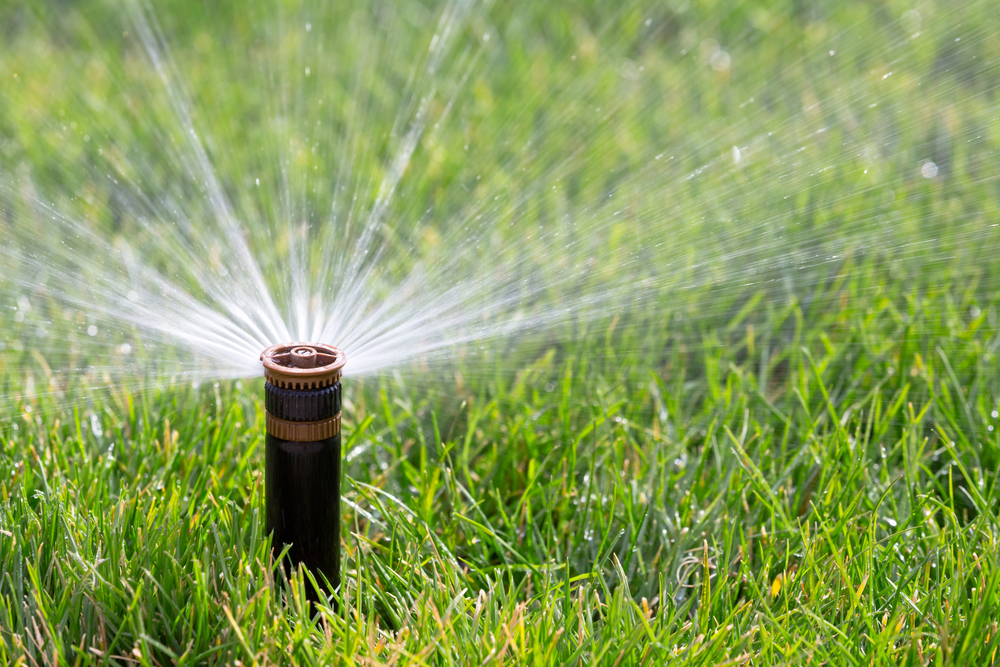
Most lawns die of thirst in summer because their owners water little and often, which is the opposite of what grass needs. The target is simple: roughly 25mm (one inch) of water a week during dry spells, delivered in one or two long soakings rather than a daily sprinkle. Put an empty tin can on the grass while the sprinkler runs, time how long it takes to collect 25mm, and you will know exactly how long to water from then on. That one measurement replaces all the guesswork, stops you wasting water, and trains your grass to grow the deep roots that carry it through a heatwave.
The One Inch Target and Why Roots Decide Everything
Cool season grasses such as ryegrass, fescue and bent lose water through their leaves all day in warm weather, a process called evapotranspiration. On a hot, breezy day a lawn can lose 5 to 6mm (about a quarter inch) of moisture from the soil. Over a week of that, the soil dries from the top down, and the grass must pull water from deeper to survive. The figure that turf scientists settle on for most established lawns is 25mm (one inch) per week, including rainfall. In cooler, overcast spells you may need less. During a prolonged dry spell with temperatures above 28C (82F) you may need 30 to 40mm spread over two sessions.
The reason the amount counts more than the frequency comes down to where the roots sit. When you water lightly every evening, the top 2 to 3cm of soil stays damp and the roots have no reason to grow any deeper. They cluster near the surface, the exact zone that bakes hardest in a heatwave. Drench the soil to a depth of 15 to 20cm (6 to 8 inches) and let the surface dry out between waterings, and the roots chase the moisture downward. Within four to eight weeks of switching to deep, infrequent watering, the active root zone extends noticeably deeper, and a deeper root system is the single biggest factor in whether a lawn stays green when the weather turns against it.
Shallow roots also leave a lawn vulnerable to more than drought. A surface that stays damp every night through summer invites fungal diseases such as red thread and dollar spot, and encourages moss and shallow weeds that outcompete grass with weak roots. Watering deep and dry is one decision that solves several problems at once.
The Tin Can Test That Takes the Guesswork Out
Sprinklers vary enormously in output, so “water for twenty minutes” means nothing until you measure your own. An empty tuna or cat food tin is close to perfect for this because the sides are straight and the depth is around 30 to 40mm, so 25mm of collected water sits well within it. Any straight sided container works, but avoid anything that tapers, because the water reading will be distorted.
Set out three or four tins across the area the sprinkler covers, one close to the head, one near the edge of the spray, and one or two in between. Turn the sprinkler on and run it for 15 minutes, then measure the depth in each tin with a ruler. Add the readings and divide by the number of tins to get the average. If your four tins read 6, 5, 4 and 5mm, the average is 5mm in 15 minutes, so the sprinkler delivers 20mm per hour, and you would need about 75 minutes to put down 25mm. Write that figure on a label and stick it to the sprinkler or the tap.
The spread of readings tells you something useful too. If one tin holds twice as much as another, your sprinkler covers the lawn unevenly, and the dry corners will brown first while the wet patch risks disease. Move the sprinkler position, overlap the passes, or switch to an oscillating model that throws a more even rectangle. A basic oscillating sprinkler from Hozelock or Melnor costs around £18 to £25 ($22 to $30) at B&Q, Home Depot, Amazon or most garden centres, and it covers a square lawn far more evenly than a rotating spike sprinkler.
Soak and Cycle on Hard or Sloping Ground
On clay soils and on any slope, the soil often cannot absorb 25mm in one go. Water arrives faster than it can soak in, pools, and runs off down the slope or across the surface, so the tin reads a full inch while the soil below is still dry. The fix used by professional groundskeepers is the soak and cycle method. Instead of one 75 minute run, water for 25 minutes, stop for an hour to let the water sink in, then water again, and repeat until you have delivered the full amount. The pause lets gravity pull the moisture down and the surface recover its ability to take in more.
You can tell whether water is reaching the root zone by pushing a long screwdriver into the lawn an hour after watering. It should slide easily through the wet soil and become harder to push when it reaches dry ground below. If it stops at 5cm, the water has not penetrated and you need a longer soak or more cycles. If it goes down 15cm without resistance, you have watered correctly. This screwdriver check costs nothing and tells you more than any timer.
Soil that has dried out completely can turn hydrophobic, meaning it repels water rather than absorbing it. You will see the water bead and roll off. A wetting agent breaks the surface tension and lets moisture soak in. Granular products such as MoistureMax or a liquid like A1Lawn Hydrate Plus cost around £15 to £21 ($18 to $26) and treat 250 to 500 square metres. Apply before a watering session on stubbornly dry lawns and the difference in absorption is obvious within a day.
When to Water and the Habits That Waste It
Water early in the morning, ideally before 9am. The air is cool and still, so little is lost to evaporation, and the grass blades dry quickly once the sun is up, which denies fungal diseases the long wet period they need to take hold. Evening watering is the common mistake. It feels sensible after a hot day, but the lawn then sits damp through the whole night, the warmest disease window of the day, and red thread and dollar spot move in. If morning is impossible, late afternoon beats evening.
Resist the urge to water a lawn that has already turned straw coloured in a long drought. An established lawn going brown is usually dormant, not dead, with the crown of each plant alive at soil level waiting for rain. Watering it sporadically with a light sprinkle is the worst of both worlds, because it breaks dormancy and pushes out tender new growth that then dies in the next dry spell. Either commit to the full 25mm a week to keep it green, or let it go dormant and leave it alone until the rain returns, when it will recover in two to three weeks.
Adjust the target for your soil and your weather rather than treating 25mm as a fixed law. Sandy soil drains fast and holds little, so it may need the weekly inch split into two or three smaller soakings to stop it draining straight past the roots. Heavy clay holds water for days, so it needs less frequent watering or the surface stays waterlogged and the roots suffocate. Count rainfall toward the weekly total as well. A cheap rain gauge, or even one of your tins left out in the open, tells you how much the sky has already delivered, and after a good downpour of 20mm or more you can skip watering entirely that week. Watering on top of recent rain is one of the most common ways gardeners waste both water and money.
One more habit wastes water without anyone noticing: cutting the grass too short before a dry spell. Short grass shades less soil, so the ground dries faster and you have to water more to compensate. Raise the mower to 5 to 6cm (about 2 to 2.5 inches) in summer, leave the clippings to return moisture and nutrients, and the lawn holds water far better between sessions. Measured watering and a higher cut work together, and a lawn managed this way will sail through a summer that flattens its neighbours.