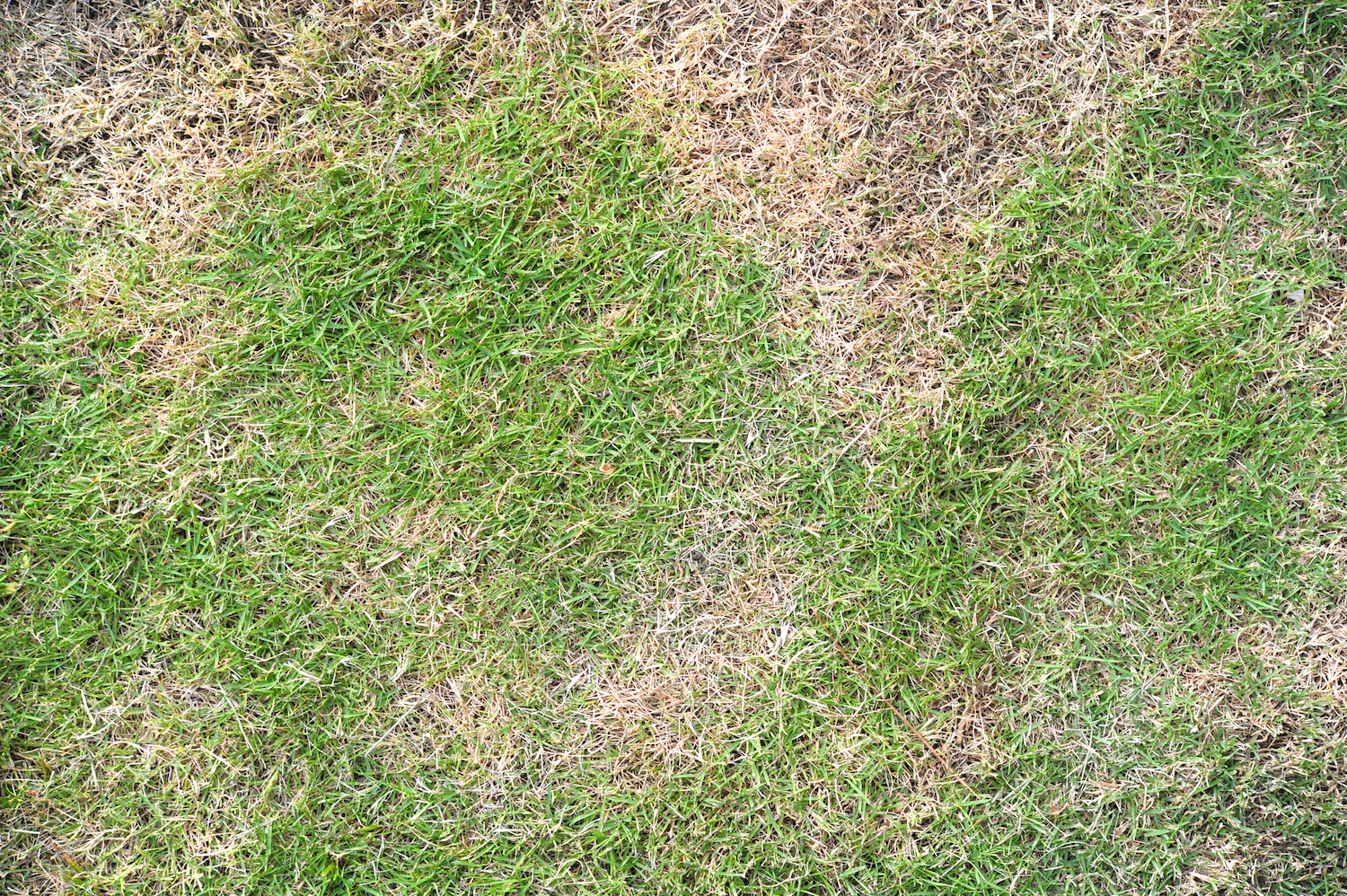
A brown summer lawn looks dead, but most of the time it is asleep. Cool season grasses shut down their leaves in heat and drought to protect the crown, the living heart of each plant, and they wait for cooler, wetter weather to come back. Bring a dormant lawn round the right way and the green returns from the ground up within a few weeks. Rush it, and you can waste water, scorch the grass or kill patches that would have recovered on their own.
Recovery is less about pouring on water and more about timing and restraint. Confirm the crown is alive, rewet the soil gently once the weather turns, and hold off on the feed and the hard low cut until the grass is truly growing again.
How to Check Whether Your Lawn Is Dormant or Dead
Start with a tug. Grab a handful of brown grass and pull. Dormant grass holds firm in the soil, anchored by living roots, while dead grass lifts away with almost no resistance. For a closer look, dig up a small plug and find the crown, the pale, whitish yellow node where the blade meets the roots. If that crown is firm and pale, the plant is alive and simply dormant. If it is brown, dry and brittle all the way through, that patch has died.
Time is on your side more than the colour suggests. Cool season grasses such as ryegrass, fescue and bluegrass can sit fully brown for four to six weeks and still bounce back once rain returns, and a little water through the dry spell stretches that window further. Warm season grasses tolerate even longer. A lawn that browned three or four weeks into a dry summer is very likely dormant rather than gone, so the worst move is to write it off and dig it up before the weather has had a chance to turn.
Read the pattern of the browning too. True dormancy comes on fairly evenly across the open lawn. The areas that actually die tend to be where extra heat piles up, along paths, walls and sunny edges where reflected heat cooks the crown, or where chafer grubs and leatherjackets have chewed through the roots below. Sharp edged dead patches in an otherwise even brown lawn point to those causes rather than simple drought, and they are the spots you will end up reseeding.
Set your expectations before the rain arrives. A dormant lawn rarely greens up all at once or perfectly evenly, and any annual meadow grass in the sward, a common weed grass, often dies outright in drought rather than going dormant, leaving thin patches among the recovering perennial grass. The lawn that returns can look uneven for a few weeks as the survivors fill back in and the weak areas show themselves. That patchiness is the map of where to overseed, not a sign the recovery has failed.
What to Do the Week Rain Returns
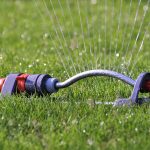
Resist the urge to drench bone dry soil. Ground that has baked for weeks often turns water repellent, a state called hydrophobic soil, where the surface beads water and sheds it sideways instead of letting it soak in. A sudden heavy soak mostly runs off and wastes itself. Rewet gradually over several days, and if the water keeps pooling and running, treat the surface with a wetting agent, or a few drops of washing up liquid in a full watering can, to break the surface tension so moisture can sink into the root zone.
Use the cycle and soak method rather than one long session. Water in short bursts with gaps between them so each dose sinks before the next lands, until the top 100 mm (about 4 inches) of soil is moist. Then let nature carry it. Once real rain and cooler nights arrive, new leaves push from the crown outward, so the lawn greens in a faint stipple first and thickens over the following fortnight. Expect two to three weeks to look green again and around a month of decent weather for full recovery.
Leave the mower until the grass is clearly growing and the blades have reached cutting height again. The first cut should be high, taking only the top third of the leaf, with a sharp blade. A dull blade shreds tender new growth and leaves it open to disease, and a hard, short first cut strips the leaf the plant needs to rebuild its reserves, setting recovery back by weeks.
Keep the feed in the shed a while longer. Reaching for a nitrogen feed the moment it rains does more harm than good. Fertiliser salts pull moisture out of roots that are still short of water, so feeding stressed, half dry turf in warm weather scorches it brown in streaks. Wait until the lawn is growing steadily and the heat has eased into early autumn, then apply an autumn feed. That same early autumn window, with warm soil and reliable moisture, is the best time of the year to overseed any patches that stay bare, working seed into the surface and keeping it damp until it establishes.
Hold off on the heavy jobs while the lawn finds its feet. Scarifying and deep aeration both tear at a sward, and a lawn rebuilding from dormancy has no spare energy to heal those wounds, so save both for the settled, moist conditions of early autumn once the grass is growing strongly. The only work worth doing in the first fortnight of recovery is gentle, steady watering and, if the surface has capped into a hard crust, pricking it over with a garden fork to let water and air down to the roots.
When you do overseed the bare patches in autumn, match the seed to the lawn and the site. A hard wearing perennial ryegrass mix suits family lawns and worn areas, while a tall fescue blend gives better drought tolerance for the spots that browned first, so the grass that regrows stands the next dry summer a little better than the sward that just failed.
How to Keep the Crown Alive Through the Next Dry Spell
If your area allows watering, you can hold a lawn safely dormant with very little. About 6 mm of water, roughly a quarter of an inch, every two to three weeks keeps the crown alive without greening the lawn up or starting the endless mow and water cycle. The goal is survival, not colour. Pick one approach and stick to it: either keep the lawn green with regular deep watering, or let it go dormant and keep it there with that token drink. What drains a lawn is flip flopping, watering enough to wake it up, then letting it brown again, so the plant spends its reserves regrowing leaves over and over.
Set the mower higher before the dry weather bites. Taller grass shades the crown and drives roots deeper, so it holds out longer, and leaving the clippings on the surface returns a little moisture and nutrient as they break down. Then stay off it. Dormant crowns are brittle and the soil beneath them is hard, so foot traffic, a parked paddling pool or a garden table crushes the growing points and prints dead trails into the lawn that would otherwise have recovered. A dormant lawn is best admired from the patio, not walked across.
Skip the weedkiller in the heat as well, as spraying a stressed lawn in a heatwave scorches the grass you are trying to save. Get these calls wrong and the costs add up: soak then dry cycles waste water and exhaust the plant, a hard low first cut and an early feed can finish off grass that drought alone would have spared, and traffic across dormant turf leaves bare tracks you will be reseeding in autumn. Get them right, and a lawn that looked finished in August is usually thick and green again by the middle of autumn, with no more help than the returning rain.