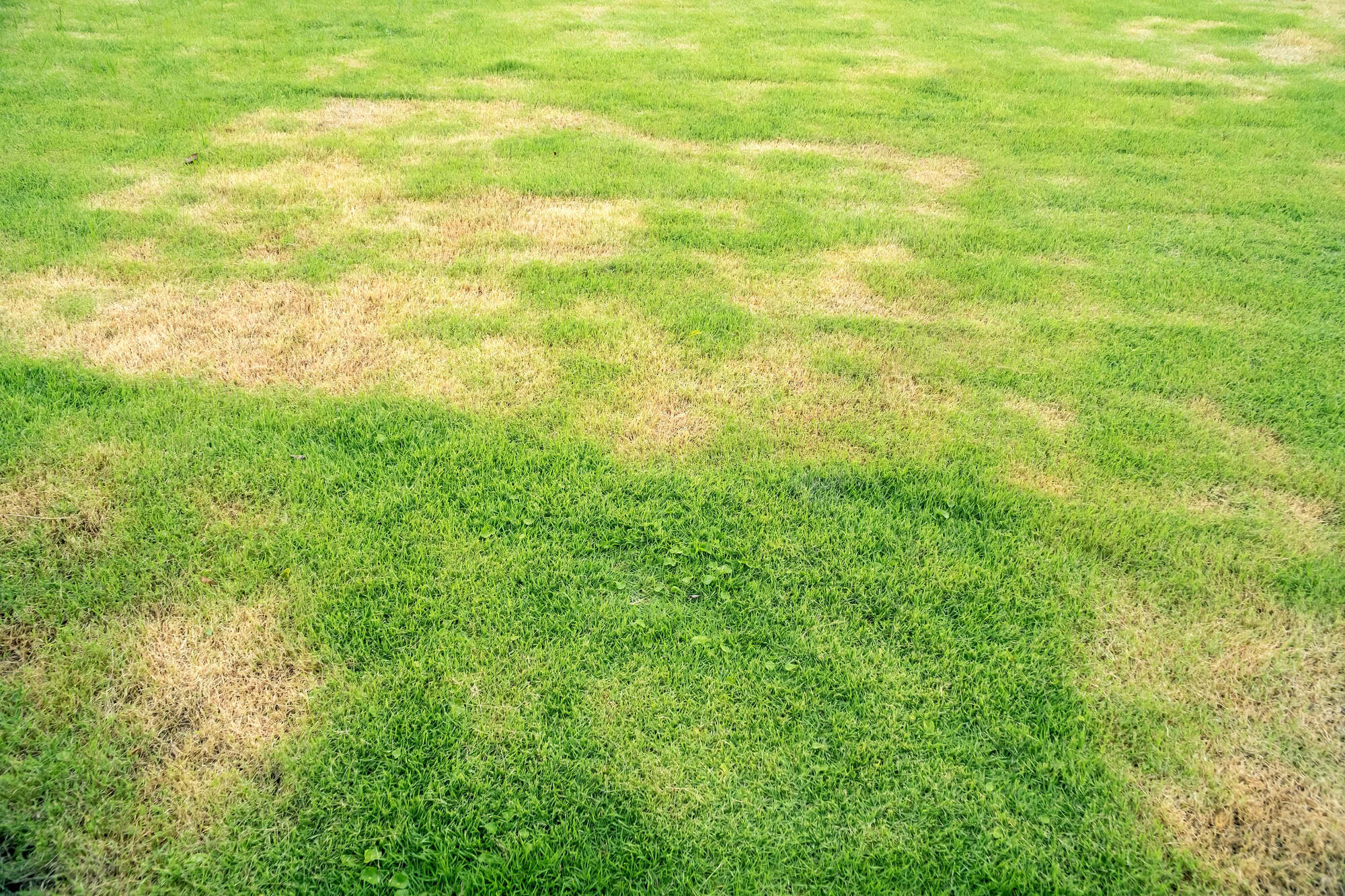
Yellow-brown dead patches spreading across a lawn in autumn, especially after a wet spell, often mean something is eating the roots from below. The usual culprit is the leatherjacket, the larva of the crane fly, and early autumn is the moment to catch it. Left alone, the grubs grow through winter and the birds that hunt them can tear a lawn to pieces getting at them. Find them now, while they are small and the soil is still warm, and one watering can of nematodes can settle the problem before it settles your lawn.
What Leatherjackets Actually Are
Leatherjackets are the larvae of crane flies, the long-legged insects most people know as daddy-longlegs. There are around 350 crane fly species, and most are harmless. They feed on decaying matter and algae, recycle nutrients back into the soil, and form part of a healthy garden. Only a small number feed on living plant material, and those few are the ones that damage lawns by chewing through grass roots and stem bases.
The grub itself is easy to recognise once you have seen one. It has an elongate, tubular, greyish-brown body up to 30 mm long, a little over an inch, with no legs and no obvious head. The skin is tough and leathery, which is where the name comes from. You will find them in the top few centimetres of soil, right where the roots are.
How to Tell It Is Grubs and Not Disease
The trouble with the symptom is that it looks like several other problems. Patches of grass turn yellowish brown and die, which is also what red thread, drought stress and other lawn diseases do from above. The way to be sure is to look underneath.
Peel back a square of affected turf like a corner of carpet. Grass whose roots have been eaten lifts away easily with almost no root left holding it down. Sift the top of the soil and you will find the greyish-brown grubs if they are the cause. That single test separates a pest problem from a disease and tells you whether treatment is worth the effort.
There is a cleaner test that counts them for you. Water the suspect patch well in the evening, then lay a sheet of black polythene or an old sack over it overnight. The damp drives the grubs up to the surface and the dark keeps them there, so by morning they are gathered on top of the turf under the cover where you can count them. A handful under a square metre is a population worth treating. A stray one or two is not.
Birds give the game away too. Crows, magpies, rooks and starlings hunt leatherjackets and leave small round holes in the turf where they have pushed their beaks in after a grub. Heavy bird activity fixed on one part of the lawn is a strong clue. It is also a warning, as the birds often rip up more turf reaching the grubs than the grubs destroy on their own.
Why Wet Autumns Make It Worse
The link to weather comes down to the crane fly’s timing. Adults emerge and lay their eggs in the turf and soil surface from August to October. The eggs hatch a few weeks later and the young larvae start feeding on roots straight away. Dry soil at egg-laying time kills a large share of the eggs before they hatch, so a dry autumn now means fewer grubs next year, while a wet one lets far more survive. That is why the numbers swing so sharply from one year to the next, and why a soggy autumn is the one to watch.
What happens next depends on the winter. In a cold winter the grubs stay small and do little harm until the following midsummer. A mild winter lets them keep feeding, and they can grow big enough to thin a lawn by late winter. When fully grown they pupate in the soil, and the empty pupal case is often left poking up out of the lawn after the adult fly has emerged. The whole cycle of larvae and damage runs from February through to October, with the autumn hatch being the point where you can still get ahead of it.
How to Treat Them
The reliable control is biological. Pathogenic nematodes, microscopic worms sold as Steinernema feltiae or S. carpocapsae, are watered into the turf through a can or a hose feeder. The nematodes hunt down the grubs, enter through the body openings and release bacteria that stop the grub feeding and kill it within a few days. They are not fussy about which soil insect they attack, so treat only the affected turf and a band around its edge rather than blanket-treating the whole lawn.
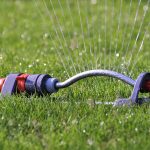
Two conditions decide whether they work. The soil has to be moist but well drained, and it needs a minimum temperature of about 12°C, or 54°F. Water the lawn before and after applying so the ground stays damp enough for the nematodes to move and survive. Treat the turf around the edge of a bad patch along with the middle, as that is where the grubs spread out from the worst spot.
Timing is the catch. Apply the nematodes in September to early October, while the larvae are newly hatched and small and the soil still holds summer warmth. Wait until the damage is obvious and the soil can already be too cold for the nematodes to do their work. In other words, the best moment to treat is before the lawn looks its worst, which is exactly why the autumn checks above are worth doing.
One pack of Nemasys Leatherjacket Killer treats 100 square metres, about 1,075 square feet, in autumn, or 50 square metres at double strength, and costs around £12 to £20. In warmer regions the same beneficial nematode is sold under names such as NemaSeek or Scanmask for roughly $25 to $40. The grubs are alive when they arrive and perishable, keeping about three weeks in a fridge, so buy them close to when you plan to apply and get them onto the lawn as soon as you can.
A healthy lawn also carries the fight better. Thick, well-fed, well-drained turf has the root reserve to outgrow light feeding damage, where thin, compacted grass gives way fast. Keeping the sward dense with an autumn feed and easing compaction will not kill the grubs, but it buys the grass the strength to recover while the nematodes deal with the population below.
Check the Lawn Before the Birds Do
If patches are spreading and the birds have started working one area, lift a corner of turf and look now. Catching leatherjackets in early autumn, while they are small and the soil is still warm, is the difference between a single watering can of nematodes and a full reseed of a wrecked lawn come spring.