The lawn you sow or turf this autumn will only ever be as good as the ground you prepare for it now. Grass seed dropped onto lumpy, weed-riddled soil germinates in ragged patches, roots into pockets of trapped air, and thins out the moment heat returns the following summer. Spend a weekend in late summer clearing, digging and levelling, and you hand the new grass a firm, weed-free, finely raked bed that knits together fast and holds through its first year.
Late summer into early autumn is the strongest window for this groundwork in cooler northern climates. The soil still holds its summer warmth, so seed sown as the heat breaks germinates quickly, while cooler air and returning rain take the pressure off watering. Perennial weeds are easy to spot and lift while they stand in full leaf. Get the preparation done over the next few weeks and the ground is ready to sow or turf the moment conditions turn. The method is the same whether you finish with seed or turf, so the work you do now serves either choice.
Clear the Weeds First, and Take Their Roots With Them
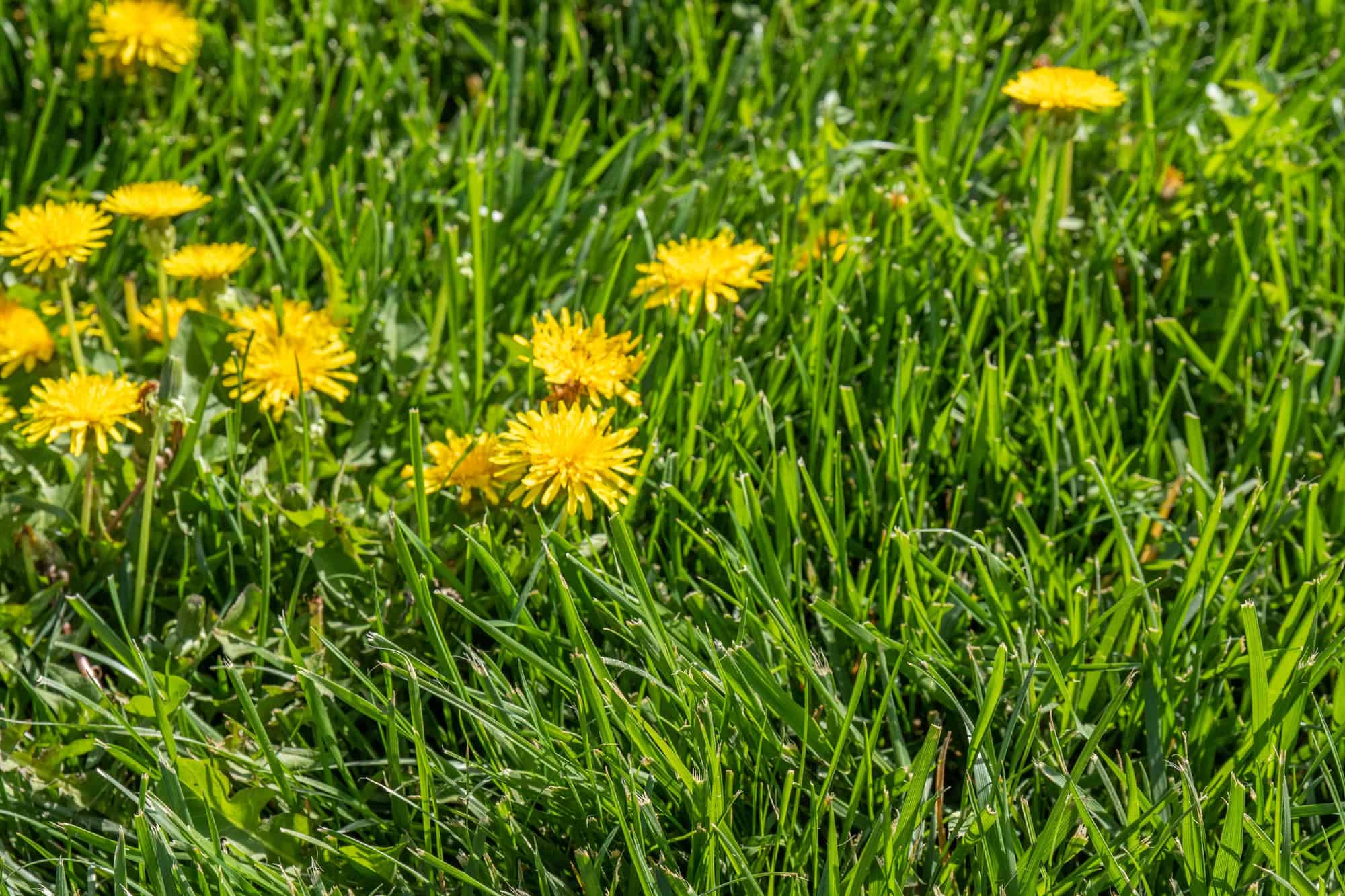
Weeds fall into two camps, and they need handling in different ways. Annual weeds such as chickweed and groundsel live for a single season and set seed quickly. You can bury these by digging the plot over to a full spade’s depth, turning each slice so the green top folds under and rots down. Perennial weeds are the ones that wreck a young lawn. Couch grass, bindweed, dandelion, dock and creeping buttercup store energy in roots or underground runners, and any fragment left behind sprouts a fresh plant. Digging alone will not clear them, and rotovating is worse: the blades chop the roots into dozens of pieces and plant every one of them.
Work across the plot with a fork, easing out the long white roots of bindweed and the wiry runners of couch grass by hand. Follow each root as far as it goes rather than snapping it off near the surface. On a plot thick with deep-rooted perennials, a systemic weedkiller based on glyphosate does the job the fork cannot, as it travels down into the root and kills the whole plant. Apply it to weeds in strong growth on a dry, still day, keep it well away from anything you want to keep, and wait the two to three weeks it takes to work before you dig. Mow or strim tall weeds first and let them put out fresh leaf, which gives the spray more surface to enter through. Time any spraying for a spell when bees and other pollinators are not working the weed flowers.
Dig Deep, Feed the Soil and Break It Down
Once the weeds are gone, dig the whole area over to a depth of 20 to 25cm (8 to 10in), roughly a spade blade and a bit more. This is the step most people rush, and it decides how the lawn copes with drought years later. Grass roots chase moisture down through open soil, so ground that has been loosened to that depth grows a deep root system that finds water long after a shallow-rooted lawn has browned off. Compacted subsoil left untouched forces roots to sit near the surface, where they cook in the first dry spell.
As you dig, fork in plenty of well-rotted manure or garden compost, a barrow-load to every two or three square metres. Organic matter holds moisture on free-draining ground and opens up heavy ground so it drains, and it feeds the soil life that keeps grass roots healthy. On heavy clay that sits wet, spread a 1 to 2cm (half to three-quarter inch) layer of coarse or sharp sand across the surface and fork it in as well. A small bag of sharp sand costs around £5 (about $6), and a bag or two worked into a clay plot makes the difference between turf that greens up and turf that yellows in standing water. Break down the large clods with the back of the fork as you go.
Firm the Ground, Then Rake It to a Fine Tilth
Freshly dug soil is full of air pockets, and if you sow straight onto it the ground settles unevenly over the following months. Every soft spot sinks, and you end up with a lawn full of dips that scalp under the mower. Firming is what stops this. Shuffle back and forward across the whole surface on your heels, treading the ground down with your own body rather than a roller, which presses too hard and caps the surface. Cover every part of the plot so nothing is left loose.
Now rake the firmed surface to break it into a fine, crumbly tilth, holding the rake low and almost flat to drag off stones, old roots and lumps. A seedbed for grass wants particles no bigger than a small pea. Fine soil sits in close contact with each seed, and that contact is what draws moisture into the seed and gets it growing. Seed lying on cloddy ground dries out in the gaps and fails. When the first pass is done, firm the plot a second time by treading at right angles to the first direction, then rake again the same way. Crossing your firming and raking like this levels out the high and low spots you cannot see from one direction alone. Check the surface with your eye from a low angle, or lay a straight board across it, and take off any remaining bumps or hollows.
Use the Weeks Before Sowing to Beat the Weeds Again
Here is the trick professional groundstaff rely on and most home gardeners skip. Prepare the plot a few weeks before you intend to sow, then leave it. Warm, moist, freshly raked soil is the perfect bed for weed seeds and for grass, and thousands of them will be sitting in the top few centimetres waiting for their moment. Given a fortnight or so, a flush of weed seedlings comes up across the bare ground. Hoe them off on a dry day, slicing through them just below the surface, and leave the tops to shrivel. Do not dig again, as turning the soil only brings up a fresh batch of buried seed.
This stale seedbed method clears out the weed seeds that would otherwise race your grass for light and space in those first few weeks. It is the single biggest reason one new lawn comes through clean and thick while another comes up half grass and half weed. Once the flush has been hoed off, give the surface a final light rake and you are ready to sow.
Time the sowing itself for when the soil is still warm but the fierce heat has passed. Grass seed germinates well while soil sits at around 8 to 12C (46 to 54F) and above, which in cooler northern climates holds from late summer through much of autumn, long enough for young grass to root before winter. A general-purpose grass seed costs around £6 per kilogram (roughly $8 to $18 for an equivalent box), and one kilogram covers about 35 to 50 square metres at sowing rates. Turf costs many times more, around ten times the price of the seed for the same area, but gives you an instant, hard-wearing surface if speed counts for more than budget.
Your Next Steps
Start now while the weeds are visible and the soil is workable. Clear the perennial roots this week, dig and improve the ground over the next dry spell, then firm and rake it to a fine tilth. Leave the plot to throw up its flush of weeds, hoe them off, and sow or turf as the summer heat fades. The few weekends you put in before a single seed goes down are what separate a lawn that fills in evenly and lasts from one you patch and reseed for years. Prepare the ground properly and the grass does the rest.