A mower that will not start, bogs down in thick grass or blows dark smoke often has one cheap, overlooked fault behind it: a clogged air filter. It is the first thing a small-engine mechanic checks and the last thing most owners think about. A replacement paper element costs less than a takeaway coffee, yet a blocked one can leave you stranded halfway through the lawn or, left long enough, damage the engine. With the busiest mowing weeks behind you, now is the ideal time to pull the filter out, take a proper look, and clean or replace it before you put the machine away.
What the air filter does and why a blocked one chokes the engine
A petrol engine burns a mix of air and fuel, and it needs far more air than fuel to run cleanly, close to fifteen parts air to one part petrol by mass. The air filter sits between the outside world and the carburettor, trapping the dust, grass and grit thrown up while you mow so none of it reaches the cylinder. Every breath the engine takes passes through that filter first.
Clog it, and you starve the engine of air. The fuel mixture turns rich, meaning too much petrol for the air getting through. A rich-running engine is easy to spot: it is hard to start, it stalls when the load rises in longer grass, it blows black smoke from the exhaust, and it fouls the spark plug with soot. It also wastes fuel and loses power, so you end up making more passes over the same patch. Push it far enough and the unburnt fuel washes oil off the cylinder walls and builds carbon inside the engine, which shortens its life. Grit that slips past a split or badly fitted filter does even worse, scoring the cylinder from the inside. A part costing a few pounds protects the most expensive component on the machine.
A dry summer makes all of this worse. The dustier the conditions you mow in, the faster the filter loads up, and a spell of hot, dry weather throws far more fine grit into the air than a damp one. A filter that looked fine in spring can be half-blocked by the end of a dry season, which is one more reason the checkup is worth doing now rather than assuming last year’s clean-out still holds.
How to check the air filter
Checking takes five minutes and no special tools. Work through it in order:
- Pull the spark plug wire off the plug first, so the engine cannot fire while your hands are near the blade. This is the one step you never skip.
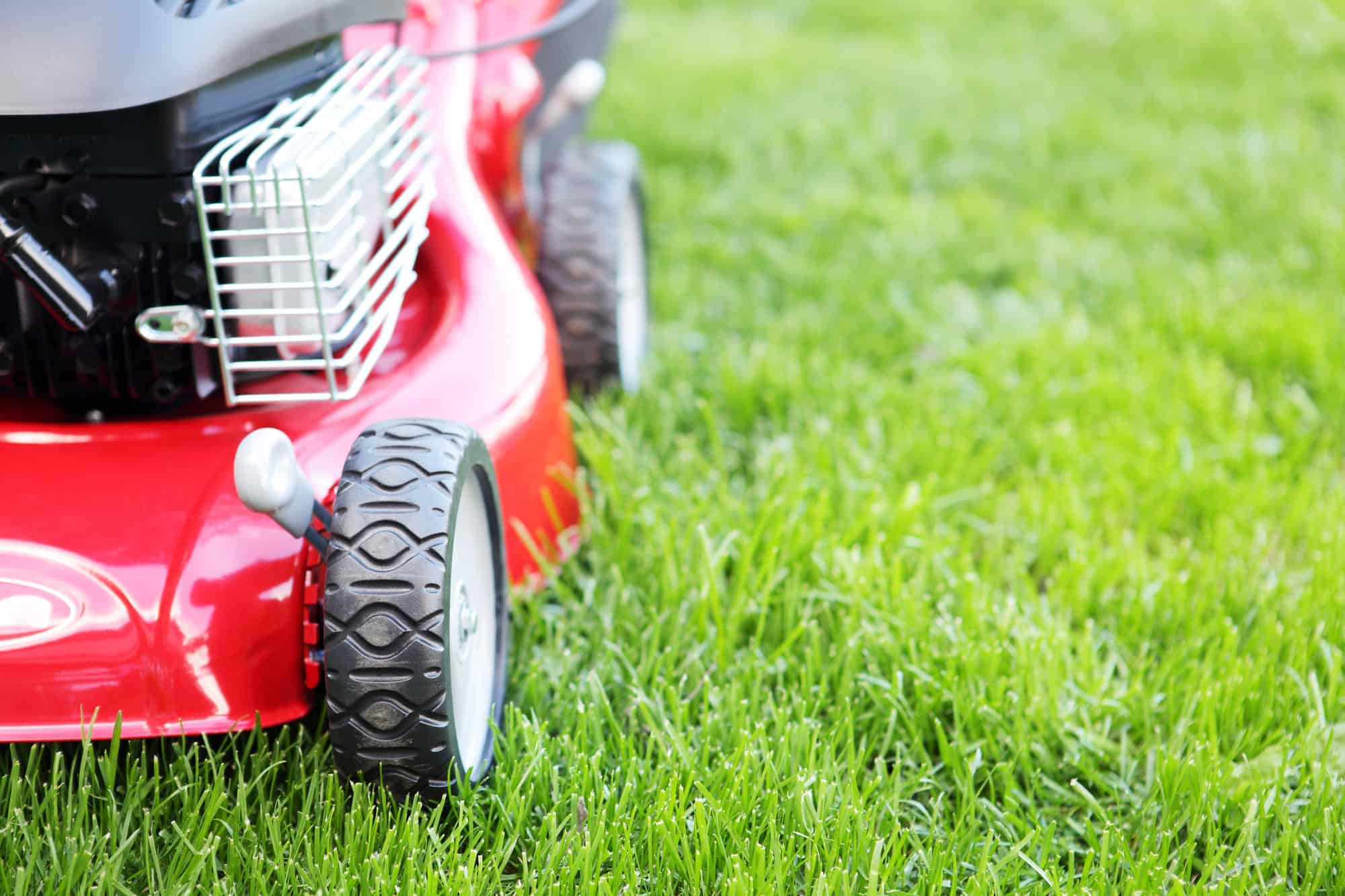
- Find the air filter housing. Look for a rectangular plastic cover on the side of the engine. On most walk-behind mowers it sits on the left, held by a clip or a single screw.
- Take off the cover and lift out the filter. It will be either a pleated paper element or a block of foam.
- Hold it up to the light and look it over. A paper filter is white or pale blue when new. Light discoloration is normal and fine. If it is caked grey or brown, sheds dust when you tap it, or looks oil-soaked, it needs attention.
Most engine makers suggest checking the filter after about every 25 hours of running and replacing it at least once a mowing season. In practice a well-kept filter can stretch to two seasons, but only if you look at it regularly rather than running it blind.
Paper, foam and dual-element filters are not the same
Before you clean anything, work out which type you have. Each one is serviced in a completely different way, and treating one like another ruins it.
- Paper filters trap dirt on a pleated paper-like media full of microscopic holes. They are the most common type on modern walk-behind mowers.
- Foam filters catch dirt in an oiled sponge. The oil is what does the work: a dry, un-oiled foam filter traps only the largest particles and lets fine dust straight through. Foam elements must be washed and re-oiled to keep working.
- Dual-element filters pair a paper cartridge with a foam pre-cleaner wrapped around it, common on higher-output engines that gulp more air.
Here the popular advice to blast a filter clean with compressed air needs a caveat. Foam filters take that treatment fine. Paper filters do not. Briggs and Stratton, one of the biggest small-engine makers, warns against forcing compressed air through a paper element: the pressure drives dirt deeper into the media and can tear the microscopic pores, so the filter looks clean but stops filtering. For a paper filter, a gentle tap to knock off loose surface dust is the most you should do. If tapping does not restore it, replace it rather than trying to force it clean.
How to clean or replace it, step by step
For a foam filter that is dirty but intact, cleaning is worthwhile. Wash it in warm, soapy water, rinse it, and squeeze it dry in a cloth, taking care not to tear it. Once fully dry, work a little clean engine oil through it and squeeze out the excess so it is damp with oil, not dripping. That oil film is what stops fine dust reaching the engine. Refit it, put the cover back, and reconnect the spark plug wire.
For a lightly dusty paper filter, tap it firmly against a hard surface a few times to shake the loose dirt out of the pleats. That is it. Refit and reconnect. For anything more clogged than that, replacement is the honest answer. New paper filters are so cheap that fighting to revive a heavily blocked one wastes your time for a worse result.
Replacing takes under a minute. Lift out the old filter, drop the new one into the housing facing the same way the old one sat, refit the cover, and reconnect the spark plug wire. Fit it the wrong way round or leave a gap at the seal, and unfiltered air sneaks past the edge, which defeats the whole point.
When to do it and what a new filter costs
The end of the main growing season is the smartest time for this check. Your mower has just worked through months of dust and clippings, so the filter is at its dirtiest. Sorting it now means the machine goes into storage clean and starts first pull next spring, rather than fighting a season of caked grime. Pair it with an oil change and a look at the spark plug and you have covered the three faults behind most reluctant starts.
Replacements are inexpensive. A genuine paper filter for a common Briggs and Stratton push-mower engine runs about 5 to 9 pounds (roughly 6 to 11 dollars). Honda GCV filters cost around 8 to 12 pounds (10 to 15 dollars). Foam pre-cleaners are cheaper again at 3 to 6 pounds (4 to 8 dollars). The trick is buying the right part, so filters rarely swap between machines. Find the model number stamped on your mower deck or engine cover and search for that exact number, for example a Toro push mower model followed by the words air filter, at a retailer such as Amazon, Screwfix, B&Q, Home Depot or your local mower dealer. Match the number and you know it fits. At a few pounds each, it is worth buying two and keeping a spare on the shelf, so a filter you find caked mid-season never costs you a mowing day waiting on a delivery.
None of this needs a workshop or a mechanic. A clean filter is the single easiest thing you can do to keep a mower starting reliably and cutting cleanly, and it costs less and takes less time than almost any other job on the machine. For more seasonal upkeep, our mower maintenance guides cover the rest of the pre-storage checklist.