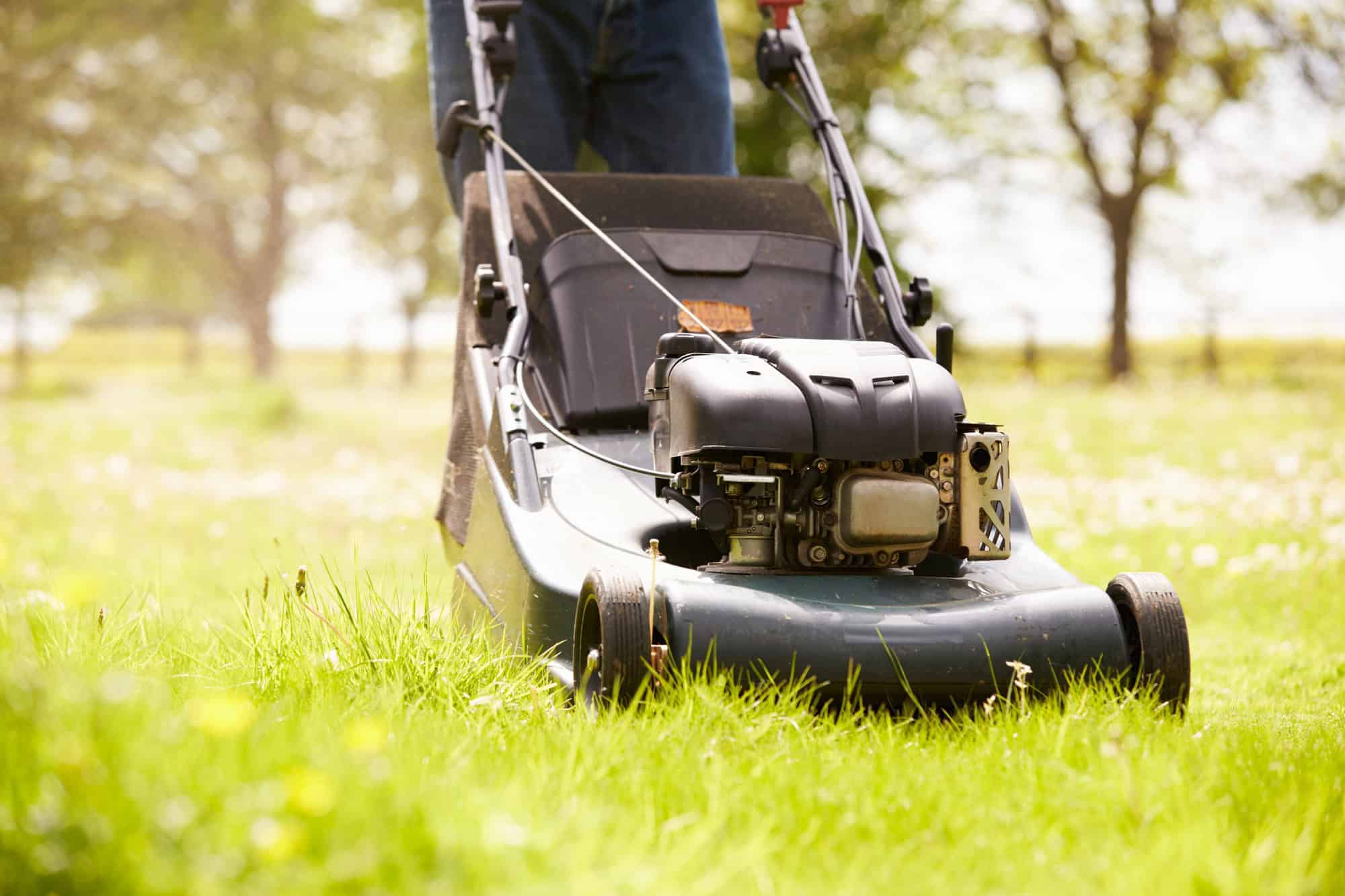
- The idea that you should scalp the lawn low before winter is backwards; a taller cut protects the grass through the cold months.
- Cutting too short weakens the roots and lets in moss, weeds and disease, right when the lawn is slowest to recover.
- Aim for about 40mm (1.5in) now and at least 50mm (2in) by late autumn, and never take off more than a third at once.
The short back and sides before winter is a mistake
Plenty of people give the lawn one last low cut in autumn, on the idea that short grass looks tidy and needs less attention over winter. It does the opposite of what they want. The length of the leaf decides how much energy the plant can gather and how deep its roots go, so taking the grass down hard just as growth slows leaves it weak going into the toughest stretch of the year. Raising the cut, not dropping it, is what sets the lawn up for spring.
Here is the rule the RHS gives for an ordinary lawn. Keep it at 13 to 25mm (half an inch to 1in) through summer, let it rise to around 40mm (1.5in) in spring and autumn, and from October hold it at least 50mm (2in). Never take off more than a third of the height in a single cut. Those few numbers are the whole trick.
Why a longer leaf feeds a stronger root
Photosynthesis happens in the leaf, so more leaf means more sugar made and more energy sent down to the roots. A longer leaf also shades the soil and drives roots deeper in search of water. Scalp the lawn and you cut back the plant’s food factory, the roots shorten to match, and the grass heads into winter with less in the tank. In autumn, when growth has already slowed and the lawn mends slowly, that damage lingers instead of growing out in a week the way it would in June.
What close mowing lets in
The RHS is direct about the cost: very close mowing weakens the grass, encourages shallow rooting and leaves the lawn more open to drought damage, weeds and moss. In autumn the sharper risks are moss, which moves into the thin, damp, shaded turf a scalped lawn creates, and lawn diseases that take hold in soft, stressed grass as the weather cools. On an uneven lawn, cutting low also tears the tops off every bump, leaving bare patches that weeds and moss reach before grass can. Grass left a little longer over winter is tougher underfoot too, when the ground is wet and soft.
What to do through autumn instead
Raise the deck a notch now so the grass sits around 40mm (1.5in). Mow less often, roughly once a fortnight as growth slows, rather than weekly. Cut only when the grass is dry: never mow wet or frosty grass, as it tears and packs the soil down, so wait for the lawn to dry later in the day or leave it for another day. From October, lift the height to at least 50mm (2in), and take the last cut of the year before growth stops, leaving the grass on the longer side. Keep the blade sharp so the taller grass is sliced cleanly rather than torn; a mill file at about £8 to £10 ($10 to $13) keeps an edge on it.
Clear the clippings when the grass is wet or long so they do not smother the turf, though a light scatter of dry clippings can stay and feed the lawn as it breaks down.
The payoff by spring
A lawn carried through winter a little longer keeps more leaf working on the mild days when grass still grows a touch, holds a deeper root system and gives moss and weeds less room to move in. It greens up faster and thicker when spring arrives, and you bring the height back down in stages as growth picks up, rather than shocking it with one hard cut. Doing less, and cutting higher, is the smarter move for the months ahead.