- Broadleaf plantain presses its leaves flat to the ground, so the mower skims straight over it and the plant keeps spreading while the grass around it thins.
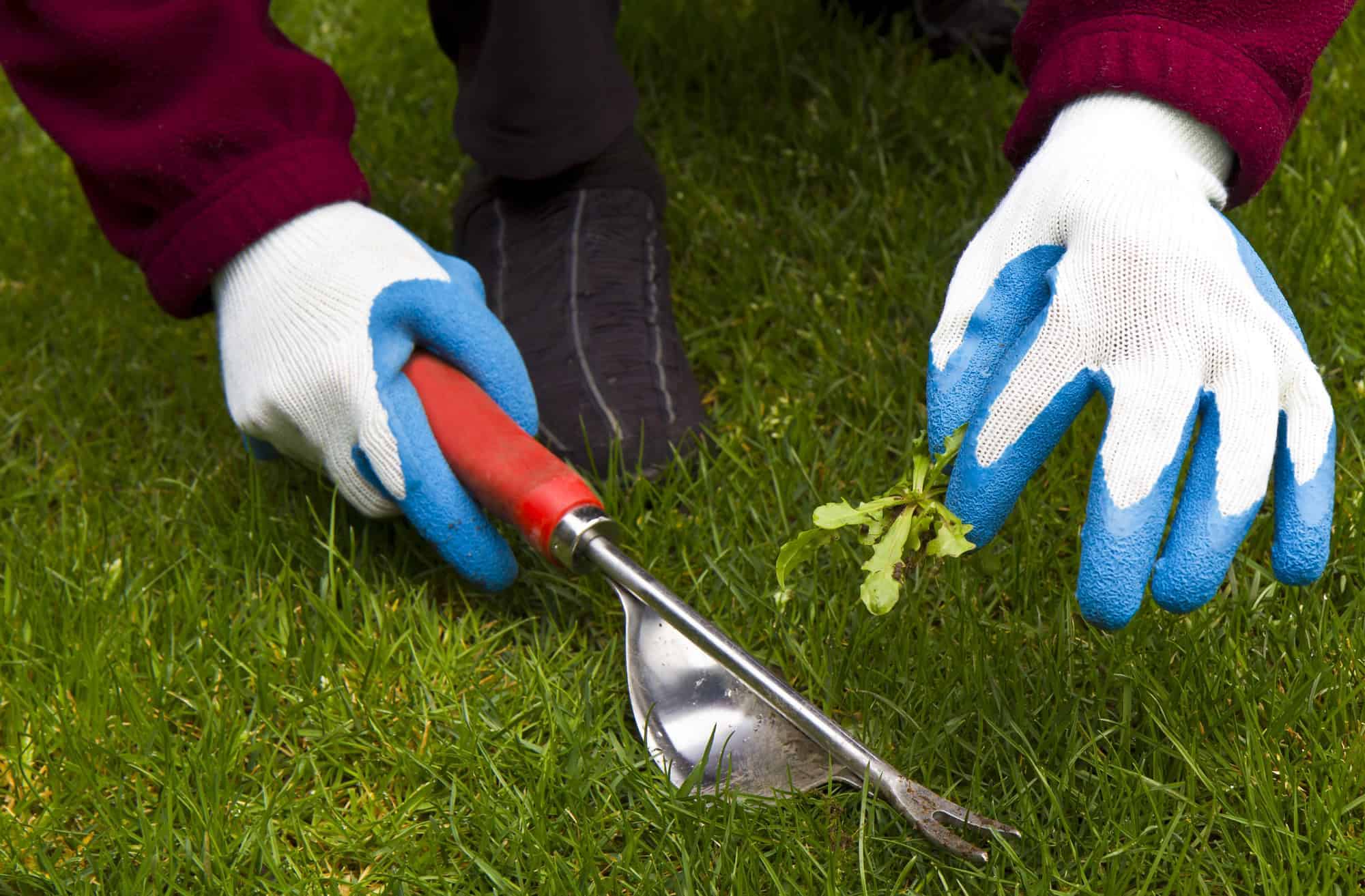
- Slide a narrow blade down beside the rosette and lever out the whole tap root in one piece, then firm the soil and drop a pinch of seed into the gap.
- Autumn is the moment the plant pulls sugars down into its root to survive the cold, which carries a selective lawn weedkiller all the way to the tip and kills it for good.
The weed that flattens itself under the mower and keeps coming back
You cut the lawn, step back, and there it still is: a flat green rosette of broad, ribbed leaves sitting proud of the turf, untouched by the blade. Broadleaf plantain has worked out the one trick that beats a mower. It grows low and wide instead of tall, so the cut passes over the top and the plant loses nothing. Meanwhile the grass around it gets thinner, and a bare ring starts to open up.
The good news is that a single plantain is not hard to remove, and autumn is the best time of year to do it. Get the whole root out, or move the sugar that the plant is storing against the root itself, and it will not grow back. Leave a fragment of that root in the soil and you will be looking at the same rosette in a fortnight. Here is how to clear it without tearing a hole in the lawn or scorching the grass beside it.
How to tell broadleaf plantain from the grass around it
Broadleaf plantain, sometimes called greater plantain, grows as a clump of oval leaves fanning out from a single point, low and flat against the soil. Each leaf is broad, about 5 to 15cm (2 to 6in) long, with several deep parallel veins running from base to tip that stand out when you turn a leaf over. Some plants throw leaves from more than one crown, forming a mat.
From late summer onward it sends up tall, stringy flower stalks, each one topped by a dense green cone of tiny flowers. That cone turns brown and felty as the seed sets, and one plant can shed thousands of seeds that a mower or a boot then spreads across the rest of the lawn. Pull the flower spikes off the moment you see them, whether or not you plan to dig the plant out that day. Stopping the seed is half the battle.
The plant you are looking at is a perennial. It has a short, thick tap root that drives straight down, and that root is why cutting the top off achieves nothing. The crown sits just below the mower line and simply pushes out fresh leaves.
Why it took over this patch of your lawn
Plantain is a reliable sign of compacted soil. It tolerates the hard, airless ground that fine lawn grasses hate, which is why you tend to find it along paths, near gates, under a washing line, and anywhere feet land on the same spot week after week. Where the soil is squeezed tight, grass roots struggle for air and water, the sward thins, and plantain moves into the gap it cannot fill.
That flat, low growth also lets it survive close mowing that would weaken most weeds, and the deep tap root lets it draw water from below when the surface dries out. Left alone, a clump widens, shades the grass beneath its leaves, and leaves a bare patch when it finally dies back, which is exactly the open soil that the next weed seed wants. Clearing the plant is step one. Fixing the compaction that let it in is what keeps it gone, and that comes later.
How to lift it out by hand without leaving a bare hole
For a handful of plants, digging is the cleanest fix, and it costs nothing but a few minutes. The one rule that decides success is that you must take out the whole tap root. Snap it halfway and the stump regrows.
Wait for a spell of rain and tackle it while the ground is soft, so the root slides out rather than tearing. Lift the flat leaves to one side and push a narrow, long blade, an old kitchen knife, a daisy grubber, or a spike-like hand weeder, straight down beside the crown. A daisy grubber or hand weeder costs about £5 to £12 ($7 to $16) at B&Q, Screwfix, Amazon, Home Depot or Lowe’s, and its forked tip is shaped to trap a tap root. Work the blade around the root to loosen it, then lever the plant up slowly and steadily. You want the pale root to come free with the crown still attached, tip and all.
For a lawn dotted with them, a long-handled weed puller that grips and pulls the root as you press a foot lever, around £30 to £45 ($35 to $55), saves your back and takes out the root more reliably than a trowel. Whatever tool you use, firm the soil back down with your heel afterward and sprinkle a pinch of grass seed into the gap, then water it. An open hole left in autumn is an invitation to the next weed, so close it the same day. A small bag of hard-wearing lawn seed is £8 to £18 ($10 to $23) and covers dozens of these repairs.
When a selective lawn weedkiller finishes the job faster
If plantain has spread past the point where digging each one is realistic, a selective lawn weedkiller is the tool that clears it without harming the grass. Selective means it targets broad-leaved plants and leaves narrow-leaved grasses standing, so you can treat the whole lawn and only the weeds die. Look for a product built for lawns, such as Weedol Lawn Weedkiller or Resolva Lawn Weedkiller in cooler northern climates, or Ortho Weed B Gon in warmer regions, roughly £10 to £18 ($12 to $19). A combined feed and weed such as an all-in-one lawn treatment, about £18 to £25 ($22 to $30), does the same job and greens the grass at the same time.
Autumn is the season these products work best, and the reason is worth knowing. Through autumn a perennial weed stops feeding its leaves and starts moving sugars down into the root to survive winter. A systemic weedkiller, sprayed on the leaves, rides that flow straight down to the tip of the tap root and kills the whole plant, root and all. Spray the same weed in spring, when sap is flowing upward into new growth, and far more of the plant survives. Treat on a dry, still day when the grass is growing and the air is above about 10C (50F), and leave the lawn unmown for a few days either side so there is plenty of leaf to take up the chemical and the plant has time to pull it down.
The common mistake is to reach for a path or patio weedkiller instead. Those kill everything they touch, grass included, and will leave a dead brown patch far larger than the weed. Keep total weedkillers for gravel and paving, and use only a lawn-labelled selective product on turf.
How to keep it from creeping back next year
Removing the plant treats the symptom. The cause is the compacted, thin turf that let plantain in, and fixing that is what stops it returning. Push a garden fork 10 to 15cm (4 to 6in) into the affected ground and rock it gently to open the soil, spacing the holes a hand-width apart across the patch. On ground that is walked on hard, a hollow-tine aerator that pulls out plugs of soil does more, and one costs about £20 to £40 ($25 to $50) to buy or £30 to £50 ($40 to $65) a day to hire. Air and water reach the grass roots again, the sward thickens, and a dense lawn simply crowds weed seed out before it can root.
Follow the aeration with a light overseed of the bare spots and a scatter of autumn lawn feed, the low-nitrogen kind meant for this time of year, which builds roots rather than soft top growth that the cold would burn. Raise the mower a notch for the last cuts of the season too. Grass left a little longer holds more leaf to feed its roots and shades the soil, and shaded soil is where weed seed fails to germinate. Do that, and the flat green rosettes that used to shrug off every cut have nowhere left to take hold.