- A hard, low “winter cut” does not tidy a lawn for the season, it strips away the leaf the grass needs to feed itself through the cold and leaves the door open to moss and disease.
- Keep cutting while the grass is still growing, but raise the mower: a height of around 4 to 5cm (1.5 to 2in) going into winter holds up far better than a summer scalp.
- Mow only in mild, dry spells, never on frosted or soaking grass, and stop once growth stops rather than giving it one last brutal trim.
The “short cut so I don’t have to mow again” plan is the one that backfires
It feels like common sense. The clocks are about to change, you want the lawn neat before the wet months, and you would rather not drag the mower out again until spring. So you drop the deck a couple of notches and give it a proper short cut, the kind that leaves it looking trimmed and finished. Then spring arrives and the lawn comes back thin, yellow in patches, and furred with moss. The short winter cut is one of the most common lawn mistakes there is, and it does the opposite of what you want.
Here is what cutting a lawn too short before winter actually does to the grass, why a slightly longer sward comes through the cold in far better shape, and the height to leave it at instead.
What a hard winter cut actually does to the grass
Grass feeds itself through its leaves. The blades are solar panels: they catch light and turn it into the sugars the plant stores in its crown and roots to live on through winter and to power the first flush of spring growth. Cut the lawn hard just as it is trying to build those reserves and you strip away most of that leaf area at the worst possible moment. The plant goes into the cold underfed, with a shallow root system and a short, stressed crown sitting exposed to frost.
A scalped lawn is also an open lawn. Short, sparse turf lets light reach the soil surface, and that is exactly what moss and weed seeds want in the cool, damp conditions of late autumn and winter. A thicker, slightly longer sward shades the soil and keeps them out. The Royal Horticultural Society is clear that autumn mowing should be done at a slightly higher cutting height than in summer, and that the grass keeps growing whenever the soil is above about 7°C (45°F), so there is no clean cut-off date where the lawn simply stops and wants scalping.
Then there is disease. Cold, wet, airless turf is the setting that fungal problems such as fusarium patch and snow mould move into, and a weakened, closely shaved lawn with poor airflow at the base is far more likely to pick them up than a healthy one left a little longer. Put the three together, lost reserves, an open surface and disease pressure, and the hard autumn cut that looked tidy in October is the reason the lawn looks wrecked in March.
The height to leave it at instead
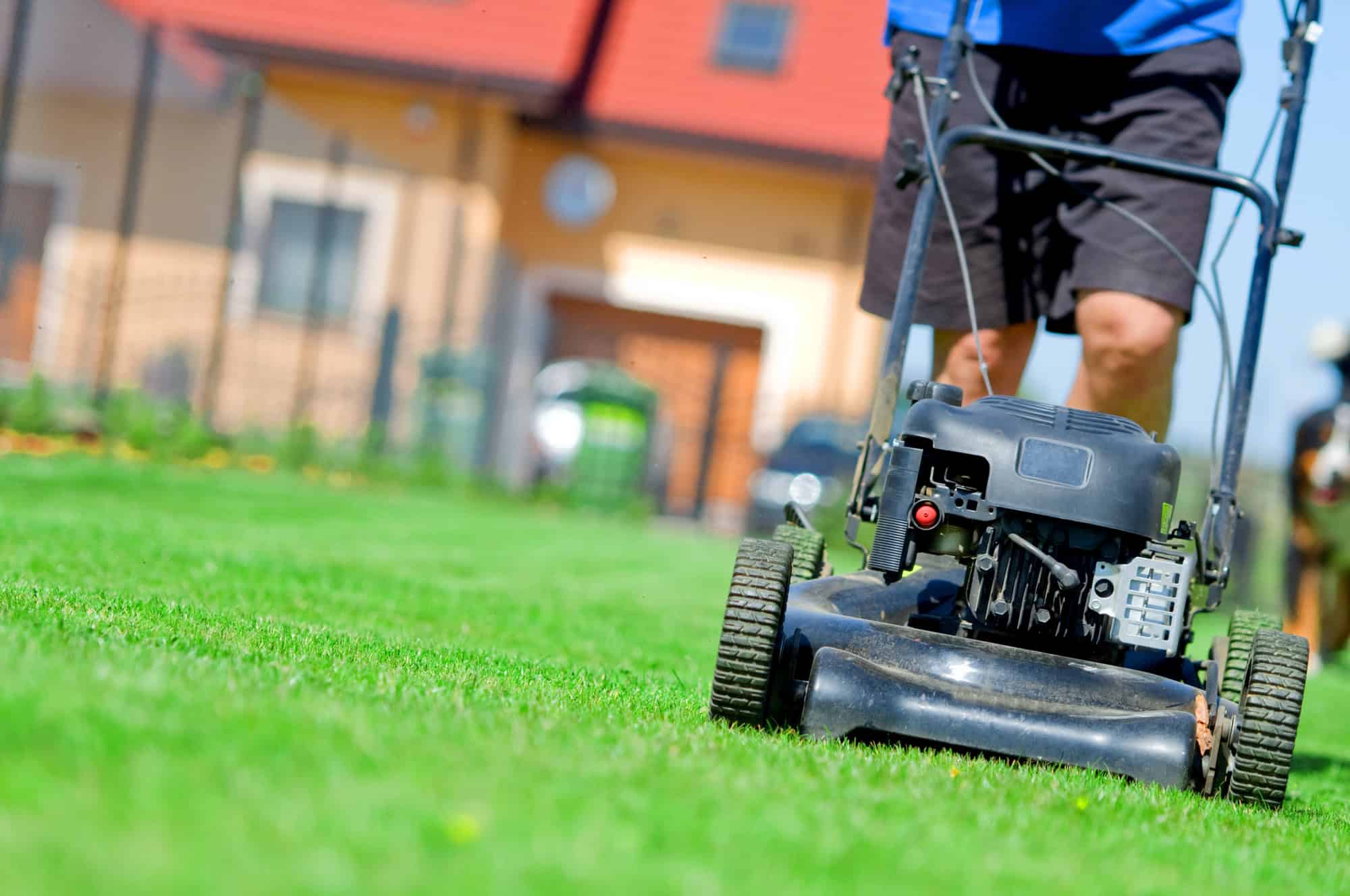
Raise the mower rather than drop it. Through autumn and into winter, aim for a cutting height of around 4 to 5cm (1.5 to 2in), up from the 2.5 to 3cm (1 to 1.25in) many people run in summer. That extra centimetre or two of leaf keeps the grass feeding itself on every mild day, shades out moss, and protects the crown from frost. It is still short enough to look cared for, and it is the single easiest change that decides how the lawn looks next spring.
There is a root reason the longer cut wins, not just a leaf one. Grass roots tend to mirror the height of the top growth: a lawn kept tall carries a deeper, denser root system, while one kept scalped runs shallow roots that sit in the top inch or two of soil. Deep roots reach moisture and hold the plant steady through frost heave and winter wet, whereas shallow roots leave the grass quick to brown in a cold snap and slow to recover. Every time you take the lawn down too hard you are pruning the roots along with the leaves, which is the last thing a plant heading into a tough season needs.
The higher setting also changes how often you need to be out there, for the better. As the days shorten and the soil cools, the grass grows more slowly, so cuts spread out from weekly in summer to every two or three weeks, then to the odd tidy-up. You are not committing to more mowing by refusing to scalp, you are simply taking a little off the top now and then instead of one damaging hack. Let the height, not the calendar, tell you when to cut: if the lawn has crept above 6cm (2.5in) and the weather is mild and dry, it is worth a pass; if it has barely moved, leave it.
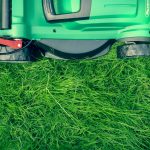
Keep to the one-third rule whenever you cut: never take off more than a third of the leaf in a single pass. If the lawn has got long, bring it down over two cuts a week apart rather than dropping it all at once, which is just a scalp by another name. Most rotary mowers have five to seven height settings on a lever by each wheel, so this costs nothing but a moment to set. A cordless mower, roughly £120 to £300 (about $150 to $380) from a garden centre, Screwfix or Lowe’s, earns its place here, as it starts instantly and lets you grab a quick cut in a dry window without wrestling a cord or fuel.
When to mow, and when to leave it
Keep cutting as long as the grass is visibly growing, which in cooler regions can run well into late autumn and, in a mild spell, beyond. The rule is to mow only when conditions are right: the grass dry, the ground firm, and no frost on the blades. Mowing frosted grass bruises and blackens every leaf the wheels and blade touch, as the frozen cells rupture, so those strips die back. Mowing sodden ground tears the turf and presses ruts and compaction into the soft soil. Wait for a dry, mild morning and the same cut does no harm at all.
Stop when the grass stops. Once growth has clearly halted for the year, with the soil cold and the blades no longer lengthening, leave the lawn alone at that 4 to 5cm height rather than giving it a final short trim on the way out. There is one caveat the other way: do not let it go into winter long and shaggy either, as tall grass flattens into a wet mat that smothers itself and breeds the same fungal problems. A tidy, medium length is the target, not a scalp and not a meadow.
Two things make the higher cut work even better. Keep the mower blade sharp, as a blunt blade tears the grass rather than slicing it and leaves ragged, torn tips that lose water and let disease in, which does even more harm on the softer growth of autumn (see our guide to sharpening a mower blade at home). And give the lawn an autumn feed that is high in potassium and phosphorus rather than nitrogen, around £10 to £16 (about $13 to $20) a box from B&Q, Wickes or Home Depot, which hardens the plant off for the cold instead of forcing the soft top growth a late nitrogen feed would (here is how to feed a lawn in autumn). Get the height, the timing and the feed right and the lawn you leave in November is the thick, green one you walk out onto in spring.