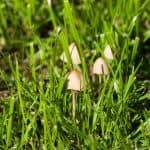
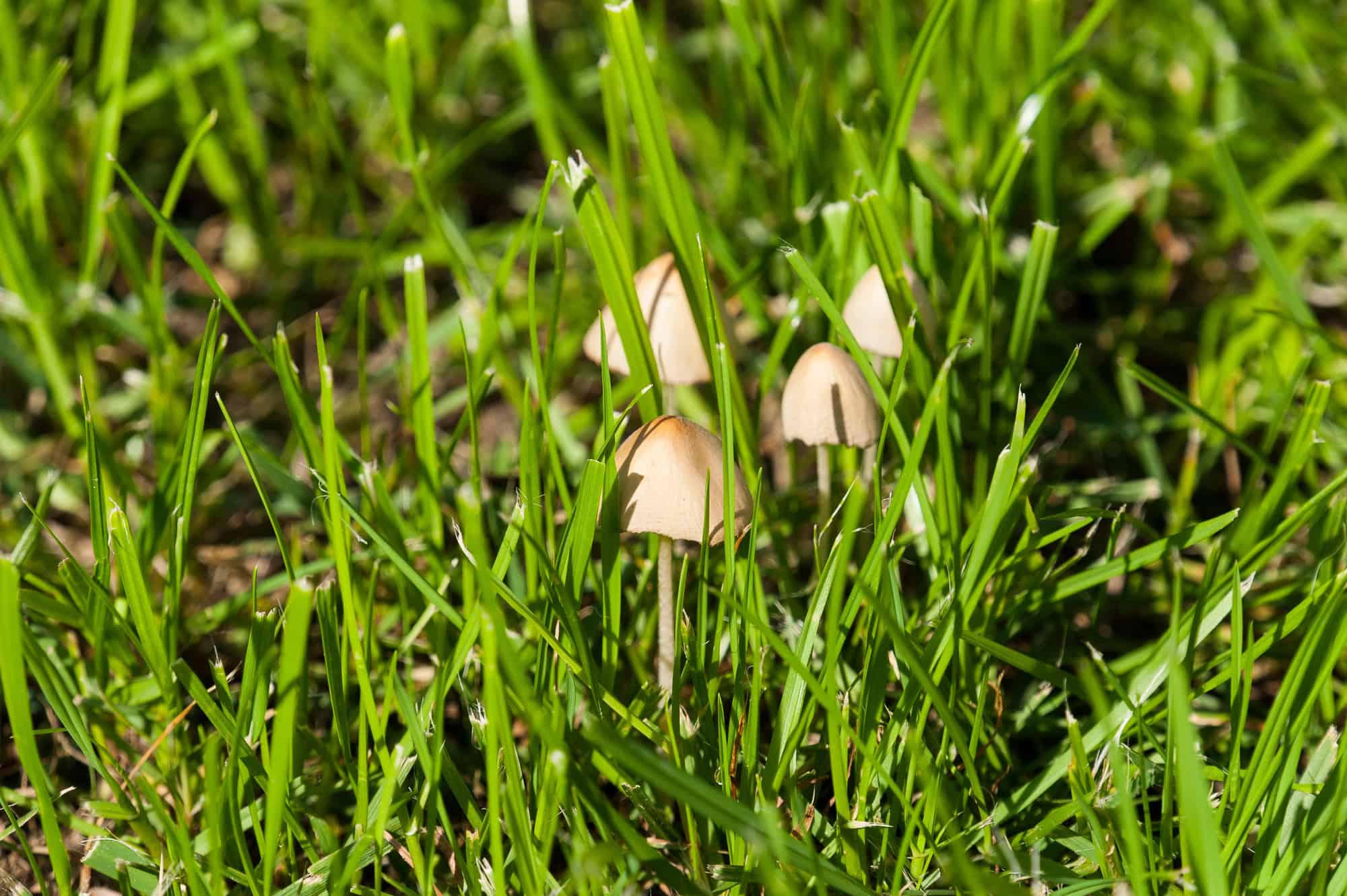
- Mushrooms and toadstools on a lawn are the fruiting bodies of a fungus feeding on dead material in the soil, and in almost every case the grass itself is unharmed.
- Pull or brush them off by hand on a dry morning before the caps open and drop their spores, wear gloves, and never taste one that has not been identified.
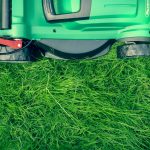
- To see fewer of them, clear fallen leaves and twigs, rake out the thatch, aerate compacted ground and mow a little more often so the surface dries faster.
What the Mushrooms Are Actually Telling You About Your Soil
You walk out after a damp, cool night and the lawn has sprouted a crop of pale caps overnight. It looks alarming, as though something has gone wrong under the grass. In almost every case nothing has. The caps are the fruiting bodies of a fungus that has been living in the soil all along, out of sight, as a fine web of threads called mycelium. When the air turns cool and wet in late summer and autumn, that web pushes up mushrooms to scatter spores, the same way an apple tree puts out fruit. The fungus was there last month and the month before. You are only seeing it now.
Most of these fungi are saprophytes, which means they feed on dead organic matter: a buried root left behind by a shrub or tree taken out years ago, an old timber edging rotting under the turf, or the layer of dead grass and moss known as thatch. As they break that material down they release nutrients back into the ground, which is why a lawn that throws up toadstools is usually a sign of living, healthy soil rather than a sick one. The grass is not being eaten and the roots are not under attack, so a crop of caps on its own is not a reason to worry.
How to Clear Them Off Without Harming the Grass
If you want them gone, the quickest route is also the cheapest. Pull the larger mushrooms up by hand as soon as they appear, before the caps open fully and drop their spores. Wear gloves while you do it. For smaller clusters, go over them with a stiff-bristled broom and knock the caps off, ideally on a dry, sunny morning when the broken pieces shrivel within hours. A yard besom or stiff outdoor broom costs about £10 to £15, or roughly $13 to $19, and is the only tool the job really needs.
Catching them by hand before the caps open does more to limit next year’s crop than anything else, as it takes the spores away before they drift across the rest of the lawn. Drop what you gather into the general waste rather than the compost heap, so the spores do not travel back out with next year’s mulch. It is a ten-minute job, and on a drying morning the patch of lawn looks clean again by lunchtime.
One thing not to reach for is a fungicide. There is no lawn fungicide sold for clearing toadstools, and if one existed it would do nothing to the mycelium threaded through the soil below. The home remedies that circulate every autumn, watering the caps with bleach or washing-up liquid, do the same false job: they scorch the visible cap and the grass around it while leaving the fungus underground completely untouched, so the mushrooms are back after the next wet spell on a lawn now marked with a dead patch.
The Fairy Rings That Do Need Watching
There is one pattern worth a closer look. If the toadstools come up in a circle, or you notice an arc of darker, faster-growing grass, sometimes with a band of bare or browned turf just inside it, that is a fairy ring. It is a single fungus growing outward through the soil in a slowly widening circle, and the common culprit on lawns is a species called Marasmius oreades. The darker green comes from the nitrogen the fungus releases as it feeds, which the grass takes up and runs with.
Rings are the exception where the fungus can cause real trouble. Some types make the soil beneath them water-repellent, so rain runs straight off instead of soaking in, and the grass inside the ring goes dry and brown even in a wet autumn. Where that has happened, drive a garden fork deep into the ringed area and lever it to and fro to break up the matted fungal layer, so water can get down to the roots again. A sturdy garden fork runs about £18 to £30, or $25 to $38.
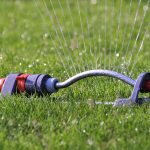
After forking, rake the ring hard to pull out the thatch, aerate it, then oversow with fresh grass seed at about 25 to 35 grams per square metre, roughly three quarters to one ounce per square yard, and keep it damp until it comes up. A small bag of hard-wearing lawn seed is about £10 to £15, or $13 to $19. Be honest with yourself that this treats the surface, not the fungus: the ring lives on underground and often returns, and on an established lawn the usual advice is to feed and water the whole area evenly so the ring blends in, and learn to live with it.
How to Make Your Lawn a Harder Place for Fungi to Fruit
Fungi fruit where there is damp, shade and buried dead matter to feed on. You cannot sterilise a lawn and you would not want to, but you can make the surface cleaner, drier and airier, and that is what cuts the number of caps you see each autumn.
Start with the dead matter. Rake fallen leaves and twigs off the grass through autumn rather than letting them rot down into the turf, as that rotting litter is exactly what the fungi feed on. A spring-tine lawn rake, the springy fan-shaped sort, costs about £10 to £20, or $15 to $25, and doubles as the tool for the next job. Scarify the lawn to drag out the thatch, that spongy brown layer of dead grass and moss sitting between the green blades and the soil. Less dead material in the turf means less food in reach of the fungus.
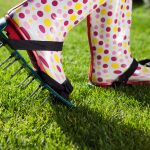
Then open the ground up. Compacted soil holds water at the surface and stays damp, which is what the fungi want. Push a fork or a hollow-tine aerator through the turf every 10 to 15 centimetres, about 4 to 6 inches apart, and 8 to 10 centimetres deep, roughly 3 to 4 inches, so the surface drains and dries faster after rain. A hollow-tine hand aerator is about £25 to £40, or $32 to $50. Mow on your normal routine too, as short grass dries far quicker than a long, matted sward, and a drier surface is a less welcoming place for anything to fruit. Where you know there is a buried stump or a length of old timber under the lawn, dig it out: that single slow-rotting lump can feed a fresh flush of toadstools every wet spell for several seasons until it is gone.
When to Leave Them Where They Are
If the mushrooms are in a corner of the lawn no one walks, with no children or pets nosing at them, the easiest answer is to leave them. They collapse on their own within a day or two of dry weather, feed the soil as they rot, and the fungus quietly working underground is improving the ground the grass grows in. Removing them is about looks and safety, not the health of the lawn.
Safety is the one firm rule. Some lawn mushrooms are poisonous, so no one should touch, pick or eat a cap that has not been identified by someone who knows fungi, and children and dogs are the reason most people clear them at all. A dog that has swallowed a lawn mushroom needs a vet straight away: the signs to watch for are heavy drooling, vomiting, loose stools, a wobbly loss of balance and fits. Clear the caps off a lawn that small children or pets use, and keep an unidentified one out of every mouth, and the rest of the time a few toadstools after a cool, wet night are nothing more than the soil doing its work.