
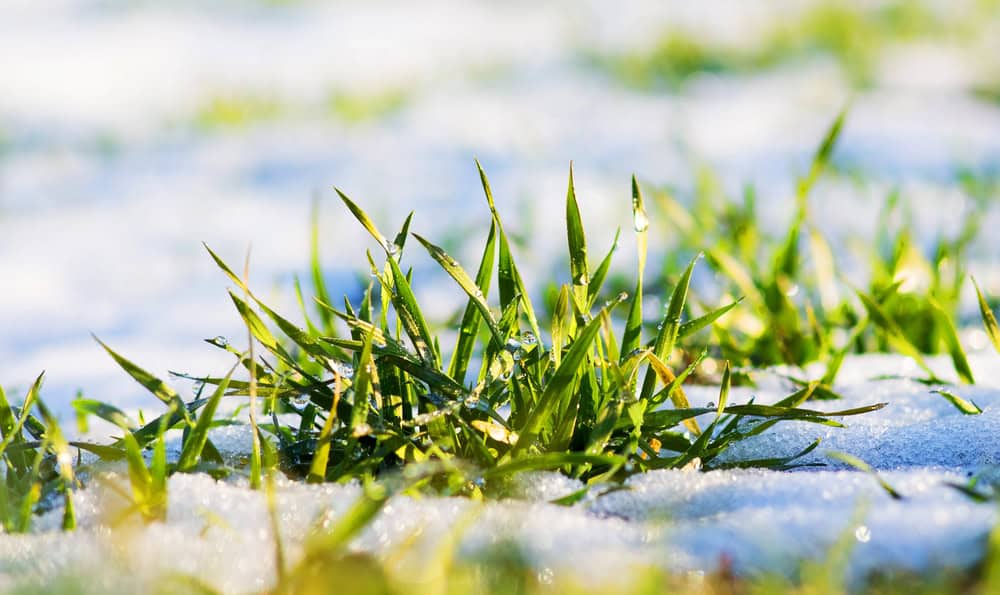
For UK cool-season grass in winter, mow only if mild and growing, setting the blade high (around 4-6cm or 2-2.5 inches), never when wet, frosty, or on soft ground to prevent damage and disease; otherwise, let it rest to conserve energy, removing leaves to allow sunlight, especially if growth slows below 5-10°C.
Key Rules & Guidelines:
Rule of Thumb: Cut no more than one-third of the grass blade at a time to avoid stressing the plant.
When to Mow: Only if weather is mild (ground temp above 5°C), there’s no frost, and the grass is actively growing.
When to Avoid: Never mow on frozen, waterlogged, or very soft soil, or during cold, drying winds.
Cutting Height: Set the mower to its highest setting, ideally leaving the grass around 4-6cm (2-2.5 inches) long.
Why High Cut: Longer blades protect the crown, insulate soil, and still allow for some photosynthesis in low light, preventing matting and disease.
Remove Clippings/Debris: Clear leaves and debris to let sunlight reach the grass and prevent disease, but wait for the lawn to dry.
What changes for cool season grass in winter
Cool season grasses keep some growth potential in UK winters, yet the system slows. Day length drops, light intensity drops, soil oxygen drops on wet ground, and the plant prioritises survival at the crown rather than fresh leaf.
A winter cut is less about neatness and more about plant stress. Each pass of a mower adds mechanical damage at the leaf tip and adds weight over the soil. Winter turns both into risk. The rules below are built around those two realities.
The decision test before you mow
Use three checks. If any one fails, do not mow.
Check one, growth is active
A lawn needs leaf extension for mowing to make sense. No growth means no benefit, only stress.
A practical threshold is soil temperature above about 5 degrees C. Growth slows sharply once temperatures sit in the 5 to 10 degrees C band. At that point the lawn holds colour, yet leaf extension becomes too slow to justify routine mowing.
Check two, the surface is dry
Winter mowing on wet leaf spreads disease pressure, clogs decks, tears leaf tips, and leaves clippings on the surface. Wait for a dry window where the leaf and upper thatch are dry to the touch.
Check three, the ground can carry your weight
Walk the route first. If your shoe sinks, smears, or leaves a clear footprint, the soil structure is at risk. A mower adds far more pressure than a person. Clay soils are vulnerable here. Wet clay loses pore space fast under traffic, and pore space is where oxygen and water movement live.
When to stop mowing in a UK winter
Stop regular mowing once temperatures stay low enough that growth stalls, often when conditions sit below about 5 degrees C for long stretches. The calendar is a poor guide in the UK. Coastal areas can hold growth well into winter. Inland lawns can stop earlier after a cold snap.
The target is not a final cut date. The target is a turf that enters winter at a safe height, then receives only occasional trims in mild spells.
When winter mowing is a good idea
Mow in winter only when the lawn meets the decision test and one of these applies.
The lawn is long enough to lay over and trap moisture at the base.
The lawn is shading itself, which reduces light at the crown and keeps the surface damp.
A mild spell has triggered a flush of growth, and the lawn looks untidy or uneven.
In each case, the aim is a light tidy, not a short cut.
When winter mowing is a bad idea
Do not mow under these conditions.
Frost, ice, snow, or a frozen surface.
Waterlogged soil, soft soil, or standing water.
Wet grass, heavy dew that does not lift, or persistent drizzle.
Cold drying winds that strip moisture from leaf tissue after a cut.
Shaded lawns where the surface stays damp for most of the day.
Frozen grass blades are brittle. Foot traffic alone can leave damage that turns brown after thaw. Add a mower and the injury rate climbs.
Set height, keep it high
Set the mower to its highest practical setting. For most UK cool season lawns, aim for a finished height around 4 to 6 centimetres (about 2 to 2.5 inches). If your grass is already close to that height, treat winter mowing as a trim, not a reduction.
A higher winter height supports turf health in four ways.
It protects the crown, the growth point that sits near the soil surface.
It buffers soil temperature swings by shading the surface.
It keeps photosynthesis running in weak winter light.
It reduces matting and improves air movement at the base of the plant.
Avoid scalp lines at all costs. A scalp removes green tissue and exposes the crown. In winter the plant cannot replace that leaf area quickly.
Follow the one third rule without exceptions
Never remove more than one third of the leaf blade in one cut. That rule matters more in winter than summer. Leaf area is the plant’s energy factory. Cutting too hard forces the plant to draw on stored carbohydrate at the crown and roots. Winter replenishment is slow.
If the lawn is too long for a single safe cut, take the height down in stages across separate dry windows.
Blade sharpness is not optional in winter
A blunt blade tears. Torn leaf tissue loses water faster, has a larger wound edge, and turns straw coloured. It also raises disease risk by increasing exposed tissue.
Before any winter cut, do a basic check.
A clean cut has a straight edge with minimal fraying.
A torn cut has a ragged tip and a shredded look.
If you see tearing, sharpen the blade before the next cut.
Cut technique that protects the plant and the soil
Use a steady pace. Avoid tight turns that scuff the surface.
Choose a dry afternoon when the surface has had time to lift moisture.
Use a lighter mower if you have the option.
Avoid rollers on soft ground.
Avoid repeated passes over the same line.
If the lawn has slopes, mow across the slope, not up and down, to reduce wheel slip and rutting.
If you leave wheel marks, stop. You have already reached the soil limit for the day.
Clippings, remove them in winter
In winter, remove clippings after mowing. Clippings on a damp lawn block light at the base and trap moisture. That creates a surface microclimate that favours common winter turf diseases.
If your mower has a collection box, use it. If you mulch, stop mulching in winter. Mulching works when growth and microbial activity are high. Winter slows both.
Leaves and debris management matters more than mowing
A winter lawn often fails under a layer of leaves, not from lack of mowing. Leaves block light, hold moisture, and reduce gas exchange at the surface. That combination increases disease pressure and encourages thinning.
Clear debris on dry days.
Use a leaf rake with light pressure to avoid pulling plants.
Use a blower on dry leaf where noise and access allow.
Brush off worm casts once they dry, rather than smearing them into the sward.
If you must walk on the lawn to clear leaves, wait for a dry window. Soil compaction from foot traffic is still a problem in winter.
Temperature, moisture, and disease risk
Winter disease pressure rises when leaf wetness duration is high and air movement is low. A damp, shaded lawn with long grass creates the perfect structure for persistent moisture. A higher cut still helps, yet long grass combined with clippings and leaf litter can tip the lawn into trouble.
Microdochium patch, often called Fusarium patch or snow mould, is a common UK winter lawn disease. It shows as yellow to brown patches that can merge. In wet conditions, white or pink cottony growth can appear at the margin.
Your winter mowing rules feed straight into disease control.
Keep the surface open to light by removing leaves.
Keep the leaf dry by avoiding cuts on wet grass.
Avoid nitrogen heavy feeding late in the season, which pushes soft leaf growth.
Improve airflow by pruning back vegetation that blocks wind and sun.
Winter mowing frequency, how often is enough
Frequency comes from growth rate, not routine. In many UK winters, that means no mowing for long stretches, then one cut in a mild spell.
A useful approach is to check the lawn weekly and mow only when two conditions are met.
Leaf length has clearly increased.
The surface is dry and the ground is firm.
If you do mow, one pass at a high setting is enough. Winter does not reward over management.
Mower choice and setup
Both rotary and cylinder mowers can work in winter. The priority is a clean cut and low soil stress.
Rotary mowers cope better with longer grass, yet they can smear wet leaf if used at the wrong time.
Cylinder mowers deliver a clean finish, yet they demand a firm surface and sharp blades. Wet, soft ground can turn a cylinder mower into a rut maker.
Basic setup rules:
Highest height setting.
Sharp blades.
Clean deck, free of packed grass.
Tyres at correct pressure to reduce scuffing.
Edge cases, shaded lawns and high traffic lawns
Shaded lawns
Shade extends leaf wetness and reduces photosynthesis. Winter mowing on shade lawns needs extra restraint.
Keep height at the upper end of the 4 to 6 centimetre range.
Cut only in the driest available window.
Focus more on leaf clearance and airflow than mowing.
High traffic lawns
Traffic compacts wet soil fast. If children or pets use the lawn daily, winter mowing becomes less relevant than surface protection.
Use temporary paths where possible.
Keep traffic off the lawn in frost.
Accept a longer winter height and plan a spring recovery programme if compaction sets in.
Mistakes that ruin winter lawns
Cutting short to “tidy it up.”
Mowing on wet grass and leaving clippings behind.
Mowing on frost, then wondering why footprints and wheel marks turn brown.
Forcing a heavy mower over soft soil and sealing the surface structure.
Ignoring leaves until the lawn yellows underneath.
Key winter mowing rules checklist
Mow only when the grass is growing and soil temperature sits above about 5 degrees C.
Mow only on a dry surface and a firm ground.
Never mow on frost, snow, ice, or waterlogged soil.
Set height high, around 4 to 6 centimetres (about 2 to 2.5 inches).
Remove no more than one third of the leaf blade.
Use a sharp blade for a clean cut.
Remove clippings.
Clear leaves and debris regularly on dry days.
Winter Mowing FAQs
Should I mow cool season grass in winter in the UK?
Mow only when the lawn is still growing and the surface is dry with firm ground. Winter mowing is occasional, not routine. A high cut protects the crown and keeps light reaching the base of the plant.
What is the minimum temperature for mowing grass in winter?
A useful threshold is soil temperature above about 5 degrees C. Below that point, growth slows sharply and mowing adds stress with little benefit. Use a soil thermometer, not a calendar.
What height should I cut my lawn in winter?
Aim for around 4 to 6 centimetres (about 2 to 2.5 inches). Keep the mower on a high setting and treat winter cuts as trims. Short cuts expose the crown and increase disease risk.
Why should I not cut grass when it is wet or frosty?
Wet mowing tears leaf tissue, clogs the mower, leaves clippings on the surface, and adds disease pressure through longer leaf wetness. Frost makes grass brittle, so foot traffic and mower wheels can crush cells and leave lasting brown damage after thaw.
Should I leave grass clippings on the lawn in winter?
Remove clippings in winter. Clippings block light and trap moisture at the base of the sward, raising the risk of fungal patch disease. Winter conditions slow breakdown, so clippings linger longer than they do in summer.
