When patches of lawn turn yellow then reddish-brown in the heat of summer and the turf thins out for no obvious reason, one likely cause is a fungal disease called anthracnose. It is easy to mistake for drought or a feeding problem, which is why so many people treat it wrongly and watch it spread. The key thing to understand is that anthracnose is a disease of stressed grass. The fungus is almost always present, but it only takes hold when the lawn is weakened by close mowing, poor feeding, drought, or compacted soil during hot weather. That means the fix is rarely a chemical. It is removing the stress, and the first moves are to raise your mowing height and give the lawn a light feed.
Get the diagnosis right and the treatment is mostly free. Get it wrong, and you can make things worse by scalping a struggling lawn or starving it further. Here is how to recognise anthracnose, why summer stress triggers it, and exactly what to do about it.
What Anthracnose Looks Like
Anthracnose is caused by a fungus, Colletotrichum cereale, and it shows up in two related forms. The one most home lawns see in hot weather is foliar blight. It begins as irregular yellow patches that turn a reddish-brown or tan as the leaves die from the tip downward, and the affected turf thins so you can see soil between the plants. The patches do not have the neat ring shape of some other lawn diseases. They tend to be diffuse and blotchy, often worst on the most stressed parts of the lawn such as a sunny bank, a compacted path line, or an area cut shorter than the rest.
The second form, basal rot, attacks the crown and stem base rather than the leaf. If you pull at affected grass and it comes away easily, and the base of the stem looks water-soaked and blackened rather than firm and white, that points to basal rot, which is the more damaging version because it kills the growing point of the plant rather than just scorching the leaves. A useful confirming clue, visible with a hand lens, is tiny black fruiting bodies on dead leaf tissue that carry minute spines, giving the surface a faintly bristly look. That feature is specific to anthracnose and helps separate it from look-alikes.
Because the early symptoms are simply yellowing and thinning, anthracnose is constantly confused with drought stress, nutrient shortage, and other summer diseases such as red thread or dollar spot. The distinction is important because the treatments differ. Our guide on telling red thread apart and stopping it is worth reading alongside this, because the two can appear at the same time on a stressed lawn and the management overlaps.
Why Summer Stress Triggers It
The reason anthracnose is so closely tied to summer is that the fungus is an opportunist. It lives quietly in and on the turf much of the year, but it can only overwhelm a plant whose defences are already down. Hot weather, with foliar blight favoured by temperatures around 27C to 35C (80F to 95F), is itself a stress, and it usually arrives alongside the other stresses that tip a lawn over the edge. Understanding those stresses is the whole key to managing the disease, because each one is something you can change.
- Mowing too short. Close cutting removes the leaf area the plant uses to photosynthesise and feed itself, and it exposes the tender crown to heat. A short-mown lawn is a stressed lawn, and short mowing is one of the most consistent triggers for anthracnose.
- Low fertility. Grass that is short of nitrogen, and also of potassium and phosphorus, grows slowly and cannot outpace or recover from infection. Underfed turf is markedly more susceptible.
- Drought stress. A lawn struggling for water is weakened across the board, and dry, hot conditions favour the foliar blight form.
- Compaction. Hard, airless soil restricts root function and oxygen, leaving the plant less able to support itself under heat.
Put simply, anthracnose is the lawn telling you it is under too much pressure at once. The fungus is the symptom of stress, not an independent invader that strikes a healthy lawn out of nowhere. That is why a reaching-for-the-spray approach so often disappoints. You can knock the fungus back, but if the underlying stress remains, it returns.
A couple of quick checks help you separate anthracnose from the diseases it most resembles. Dollar spot produces small, distinct bleached spots roughly the size of a coin, often with an hourglass-shaped lesion across individual blades, whereas anthracnose patches are larger, more diffuse, and more reddish-brown. Red thread shows tiny pink or red threads of fungus binding the leaf tips, which anthracnose never does. And drought scorch, unlike disease, usually appears first on the highest, driest, most sun-baked parts of the lawn and recovers quickly once water returns, while anthracnose keeps spreading even after you water. When you are unsure, the bristly black fruiting bodies on the dead leaf are the giveaway, and a local turf advisory service can confirm a sample if a prized lawn is at stake.
How to Treat and Prevent It
Because the disease is driven by stress, the most effective treatment is to relieve the stress, and the measures that do that are the same ones that prevent it returning. Work through these in order.
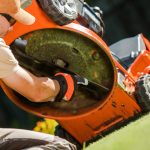
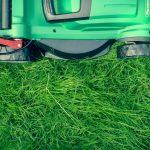
- Raise the mowing height immediately. Lifting the cut to 4cm to 6cm (1.5 to 2.5 inches) gives the plant more leaf to feed itself, shades and cools the crown, and reduces the wound stress of cutting. This alone often halts the spread and speeds recovery. Keep the blade sharp, because a torn cut from a blunt blade is another entry point for infection.
- Feed lightly and often. Rather than one heavy dose, apply small amounts of nitrogen to keep the grass gently growing through the stress period. A light liquid feed, or a controlled-release granular feed at the low end of its rate, helps the lawn grow out of the damage without forcing soft, disease-prone growth. Make sure potassium is part of the feeding plan, as it strengthens cell walls and stress tolerance.
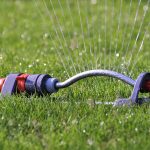
- Water deeply but in the morning. Give the lawn a proper soak to ease drought stress, but do it early in the day so the grass dries by evening. Wet foliage overnight encourages fungal disease, so evening watering works against you here.
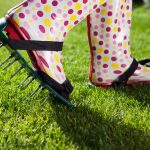
- Relieve compaction. Spike or hollow-tine aerate compacted areas to restore air and drainage to the root zone, which addresses one of the root causes rather than the symptom. Heavy summer heat is not the ideal time for major aeration, so spot-treat the worst areas now and plan a fuller job for autumn.
A fungicide is a last resort, useful mainly when a valued lawn is being lost quickly despite good cultural care. If you do reach for one, treat it as a way to buy time while you correct the underlying stresses, not as a substitute for doing so. On a typical home lawn, the combination of a higher cut, a light feed, and morning watering resolves most outbreaks within a few weeks as the new growth replaces the damaged leaf.
What happens if you ignore it or treat it as drought and simply pour on water without changing anything else? The foliar form thins the lawn and lets weeds and moss colonise the gaps, and if it tips into basal rot the crowns die and the bare patches need reseeding to recover. The good news is that anthracnose is one of the most preventable lawn diseases precisely because its triggers are all within your control. A lawn that is mown a little higher, fed steadily, watered deeply in the morning, and kept free of compaction rarely gives the fungus the opening it needs.