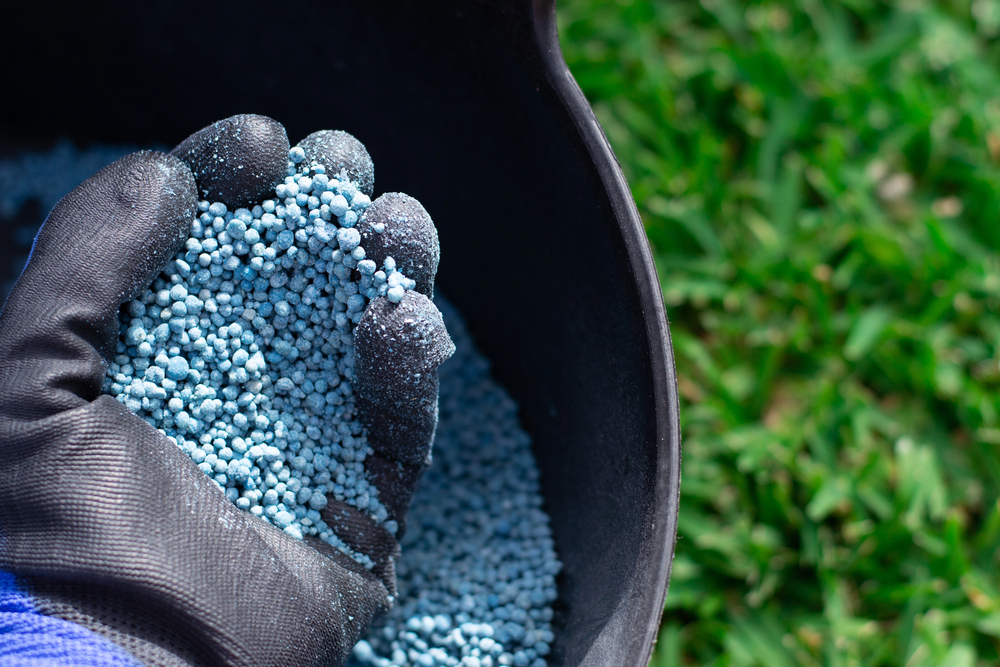
- Autumn feed is high in potassium and phosphorus and low in nitrogen, so it thickens the roots and stiffens the grass against cold rather than pushing out soft top growth.
- Scatter it at about 20 to 30 grams per square metre just before rain is forecast, after you have scarified and aerated, and only on a lawn that is still growing.
- Put down a leftover summer feed instead and you get soft blades that brown off in the first hard frost and hand fungal disease an easy way in.
Feed the Roots Now and the Lawn Does the Hard Work Over Winter
A lawn in autumn has stopped trying to grow tall. It is building the roots and the sugar reserves that carry it through the cold months and let it push out fresh green the moment the soil warms again. The feed you put down now should back that up, and that means a very different bag from the one you reached for in June. Get the timing and the nutrients right and you set the lawn up to wake early and come back thick. Get them wrong and you can do more harm than leaving the lawn alone.
Why Autumn Feed Is the Opposite of Summer Feed
Summer lawn feeds are loaded with nitrogen, the nutrient that drives fast, leafy, green growth. That is the last thing a lawn wants as the nights draw in. Soft, sappy blades pushed up late in the year sit wet and cold, and they are the first part of the lawn to brown off in a hard frost and the easiest target for the fungal diseases that spread in cool, damp air. An autumn feed turns the balance around. It is high in potassium and phosphorus and carries little nitrogen, and each of those three choices does a specific job.
Potassium is the nutrient that toughens grass against the cold. It controls the movement of water in and out of every cell and lowers the freezing point of the sap held inside, so the plant keeps its structure when the temperature drops close to zero. It also thickens the cell walls, which makes each blade harder for frost and disease to break into. Phosphorus feeds the roots, pushing them deeper and denser through the autumn soil while the ground is still warm enough for them to grow. A lawn short of potassium tells you so in the blades first, fading to a dull yellow at the tips and bruising easily underfoot, which is the same weakness the frost goes to work on. A lawn that enters winter with a deep, well-fed root system has more stored energy to draw on and greens up faster in spring than one left to fend for itself. The Royal Horticultural Society and BBC Gardeners’ World both point to that same split: an autumn feed rich in potassium and phosphorus for hardiness and root growth, and no late nitrogen.
Reach for the leftover summer bag and you undo all of it. The nitrogen forces a flush of tender growth that has no time to harden before the cold arrives, and that soft growth is exactly what turf diseases feed on at this time of year. You end up with a lawn that looks briefly greener, then thins, yellows and scars over winter, which is the opposite of what the feed was meant to buy you.
Do the Groundwork First, and Only Feed a Lawn That Needs It
Feeding comes at the end of the autumn job list, not the start. Rake out the dead thatch and moss first, then open up compacted ground by pushing a garden fork or a hollow-tine tool through the turf so that air, water and the feed itself can reach the roots. Feeding a matted, compacted lawn wastes the bag, as most of the granules never get down to where they work. If you have not done it yet, scarifying out the thatch and aerating the soil are the two jobs to do before the feed goes anywhere near the lawn.
Not every lawn needs feeding at all. Most come through summer and recover on their own once the cooler, wetter weather returns, so a feed earns its place only on a lawn that still looks hungry and thin after the groundwork is done. Grass takes up feed while it is still growing, which it keeps doing while the soil stays above about 7C (45F). Once growth has stopped for the year, a scattering of granules just sits on the surface and washes away in the rain. Watch the grass rather than the calendar: while it is still putting on a little length between cuts, it can still use a feed.
Put It Down Evenly, Just Before the Rain
Most autumn feeds go down at about 20 to 30 grams per square metre, which works out at roughly a loose handful per square metre, or about 0.7 to 1 ounce per square yard. A real example sets the numbers in context: Lawnsmith Autumn Lawn Fertiliser runs at an analysis of 10-5-15 with 3 percent magnesium, so one part nitrogen to half that in phosphate and one and a half times as much potassium, applied at 20 to 30 grams per square metre. A 2.5kg bag covers 100 square metres (about 1,076 square feet) for around 15 pounds, close to 20 US dollars at current rates, and a 5kg bag covers 200 square metres for about 23 pounds. The exact brand counts for far less than the ratio on the front: you want the middle and last numbers to be strong and the first number low.
Spread it as evenly as you can. The cheapest way to ruin an autumn feed is to tip it out by hand in uneven passes, which leaves dark green scorched stripes where the granules landed thick and pale bare lines where they missed. A simple drop spreader or a broadcast spreader set to the rate on the bag takes the guesswork out, and walking it up and down and then across in a second pass at right angles evens out any gaps. Put it down just before rain is forecast so the feed washes off the blades and down to the roots, and if no rain comes within a day, water it in yourself with a sprinkler. Never feed a lawn that is bone dry in a dry spell, as the concentrated granules can draw moisture out of the grass and burn it.
The Organic Route and the Payoff by Spring
You do not have to use a synthetic bag at all. Seaweed-based feeds, pelleted chicken manure (naturally high in potassium), and fish, blood and bonemeal all deliver the slow, root-first feeding an autumn lawn wants, and most cost only a few pounds, or roughly 10 to 15 US dollars, for a tub that covers a small lawn. Home-made sieved compost or leafmould brushed thinly into the surface does a similar job and adds organic matter to the soil, as long as you work it down between the blades rather than leaving a layer sitting on top blocking the light. A thin topdressing of compost after aerating is a groundskeeper’s trick for building soil life over winter without any bag at all.
The reward lands months later. A lawn fed for the roots in autumn holds its colour longer into the cold, resists the moss and disease that move into weak, hungry turf, and starts growing earlier and thicker in spring, so you spend less time patching bare ground once the warmer weather returns. Clear the fallen leaves off it as you go, as a wet mat of leaves left sitting will undo the work by blocking light from the grass beneath. One well-judged feed now, on a lawn you have already raked and aerated, does more for next year’s lawn than any amount of feeding once the cold has set in.