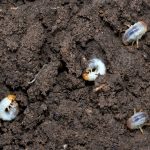
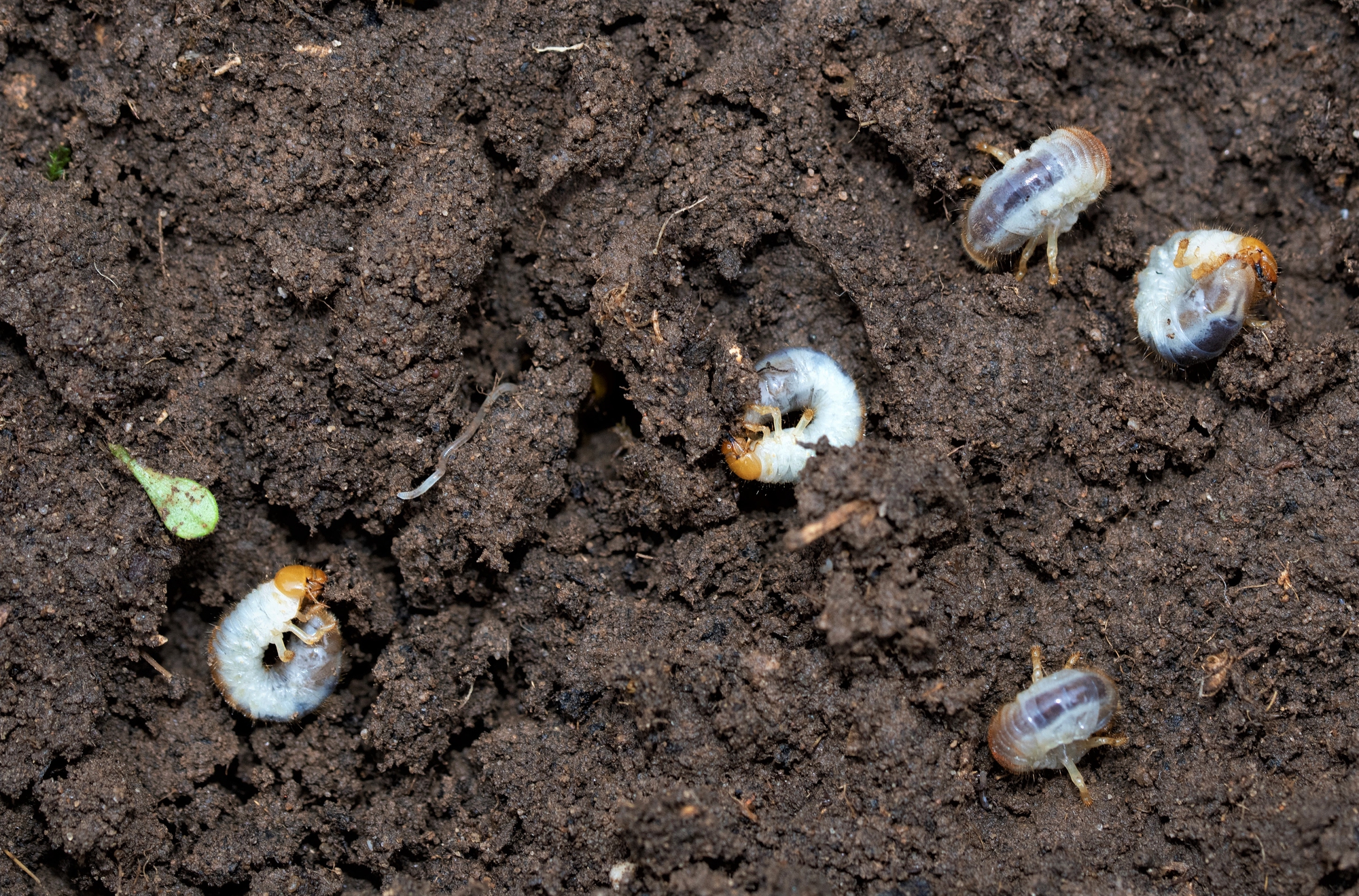
- The birds ripping at your grass are hunting chafer grubs, fat white C-shaped larvae feeding on the roots a few centimetres down.
- The grubs do the real damage from early autumn as they fatten up, and the birds, badgers and foxes that dig for them tear the weakened turf apart.
- Watering in Heterorhabditis bacteriophora nematodes while the soil is still 12 to 20 degrees Celsius kills the grubs without a single chemical.
The Birds Are a Symptom, Not the Problem
You walk out to find the lawn torn open in ragged patches, lumps of turf flipped over and the soil raked about as if something has been digging for treasure. Something has. The crows, rooks, magpies and starlings pulling at your grass are not after the grass at all. They are after the fat grubs living in the root zone just beneath it, and the birds will keep coming back for as long as the meal is there. Chase the birds off and you have treated the symptom. Deal with the grubs and the whole thing stops.
What Is Actually Digging Up Your Lawn
Peel back one of the loose flaps of turf and look at the soil underneath. If grubs are the cause you will find them quickly: stout, creamy-white, C-shaped bodies with a light brown head and three pairs of legs clustered up near that head, curled into a comma when you disturb them. The common lawn culprits are the larvae of the garden chafer and the Welsh chafer, two small beetles whose grubs reach up to about 18 millimetres long, close to three quarters of an inch, with some related chafers larger still. A lawn carrying enough of them to draw birds often has turf you can roll back like a loose carpet, as the grubs have chewed through the fine roots that normally anchor it.
It is worth knowing what you are not looking at. Leatherjackets, the grey-brown larvae of the crane fly, cause similar root damage but have no legs and no clear head, and they rarely pull in the digging animals that chafers do. Vine weevil grubs are much smaller and legless. Stag beetle grubs are far bigger and live in rotting wood, where they do no harm at all. Only the legged, C-shaped grubs sitting in the turf itself are the ones tearing up your lawn, and telling them apart is worth the minute, as the treatment and timing are not the same for each.
The first sign most people notice is the digging, but the grubs leave their own marks too. Look for yellowish, drought-looking patches that do not green up after rain, turf that feels spongy or lifts away when you tug it, and bare, churned ground where a badger or fox has been through overnight. Damaging numbers tend to be very local and patchy, so one corner of the lawn can be wrecked while the rest stays fine. Lift a few test squares a spade deep across the worst area and tip out the soil: one or two grubs in a square is nothing to worry about, while a dozen or more packed into a single spadeful is the kind of load that pulls the birds in.
Why It Is Happening Right Now
The timing is not bad luck. The adult beetles flew and laid their eggs in the turf in late spring and early summer, the eggs hatched a few weeks later, and the young grubs have fed on the roots quietly in the months after. The reason the damage shows up now is that the grubs are near full size in early autumn, eating hard to build reserves before the cold, and that is when they sit fat and shallow in the root zone, right where a hungry bird can reach them. Grubs stay active in the soil from late summer through to the following spring, dropping deeper to escape the worst of the frost and rising again before they pupate. That gives you a second flush of digging in spring as they move back up. Knowing the lifecycle tells you when to strike: the grubs are most vulnerable while they are feeding near the surface and the soil is still warm, which is right about now.
The Fix That Lasts, Without a Single Poison
No chemical grub killer is licensed for home gardeners to use on a lawn, which sounds like a problem and is not. The treatment that works is biological: microscopic nematodes of the species Heterorhabditis bacteriophora, bought as a powder you mix with water and apply through a watering can or hose feeder. The nematodes hunt down the grubs in the soil and carry a bacterium that kills them within days, then breed inside the dead grubs and spread to the next. They are harmless to people, pets, birds and worms, which is the whole point.
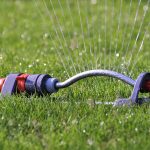
Timing and moisture decide whether they work. The soil has to be damp and sitting between 12 and 20 degrees Celsius (54 to 68 Fahrenheit), warm enough for the nematodes to move and hunt. That makes late summer to early autumn the window, with July to September the ideal spell to apply them before the grubs do their worst. Once you can see heavy damage, the soil can already be too cold for the treatment to work well, so act at the first sign rather than waiting for the lawn to fall apart. Water the lawn before you apply, water the nematodes straight in, and keep the surface damp for the following couple of weeks. Treat the edges of each damaged patch and the middle too, as that is where the surviving grubs spread out from. In cooler northern regions the window closes earlier than in milder southern ones, so go by soil warmth, not the date.
Nematodes are sold by the area they cover. A standard pack of chafer nematodes treats around 100 square metres, a little over 1,000 square feet, and larger 500 square metre packs run to about 110 pounds, so a typical back garden lawn costs far less than that. Gardeners in warmer regions can buy the same Heterorhabditis bacteriophora under names such as NemaSeek, where a 50 million pack covering a large area runs around 49 US dollars, with smaller packs sized for a single lawn. Buy them as close to the day you will use them as you can and apply them straight away, as the live nematodes do not keep.
Stopping the Birds and Rebuilding the Lawn
While the nematodes get to work, you can take the pressure off the turf. Firming the lifted flaps back down and watering them keeps some of the shallow-rooted grass alive long enough to recover. Shiny tape, a scarecrow or netting will move the birds along for a while, but none of it fixes anything, as the birds are only telling you the grubs are there, so treat the ground rather than fighting the wildlife. Keep a sense of proportion too: a light scattering of grubs feeds starlings, which are on the conservation red list, and a handful in the soil is not a crisis. It is the heavy, patch-wrecking numbers that call for action.
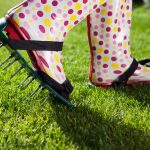
Real repair waits for spring. Once the worst of the grubs have pupated and dropped deeper, in mid to late spring, rake out the dead turf, loosen the surface and reseed the bare patches or lay fresh turf over them. The best long-term defence is a thick, dense lawn: grass growing on deep roots in well-aerated, uncompacted soil shrugs off a level of grub feeding that would wreck a thin, stressed lawn, and it recovers far quicker when it is damaged. Mow a touch higher, keep the lawn fed for the roots through autumn, and do not drown it, and you make the turf a far harder place for next year’s grubs to bring the birds back to.