- Moss in a lawn is a sign that the growing conditions suit moss better than grass: shade, trodden or compacted soil, poor drainage, acidic ground or a mower set too low.
- Raking or scarifying lifts the moss out, and early to mid autumn is the moment to do it, while the grass is still growing strongly enough to close the gaps before winter.
- Moss has no true roots and spreads on spores that drift for miles, so it returns fast unless you change what is underneath it: open the soil, drain it, feed the grass and raise the cut.
Moss Is the Symptom, Not the Enemy
You walk back in from the lawn, and the green underfoot turns out to be half moss. The quick fix is simple and it costs nothing: rake or scarify the moss out now, in early to mid autumn, while the grass is still growing fast enough to knit over the bare spots it leaves. On a small patch a spring-tined rake does the job; on a larger lawn a hired scarifier saves your back. That clears what you can see today.
The part most people skip is the reason the moss arrived. The Royal Horticultural Society is blunt about it: moss “readily appear[s] in lawns when the growing conditions favour them over lawn grasses.” Moss is not an invader that muscles the grass out. It moves into space the grass has already given up, on ground that is too shady, too wet, too hard or too acidic for fine turf to thrive. Clear it without changing those conditions and it will be back within a season, as more than 700 species of moss grow in cooler, damper climates and their spores travel for miles on the wind.
So the work splits in two. First, lift out the moss that is there. Then fix the ground so the grass, not the moss, holds the space. Get the second half right and you might never scarify for moss again.
Why the Moss Moved In
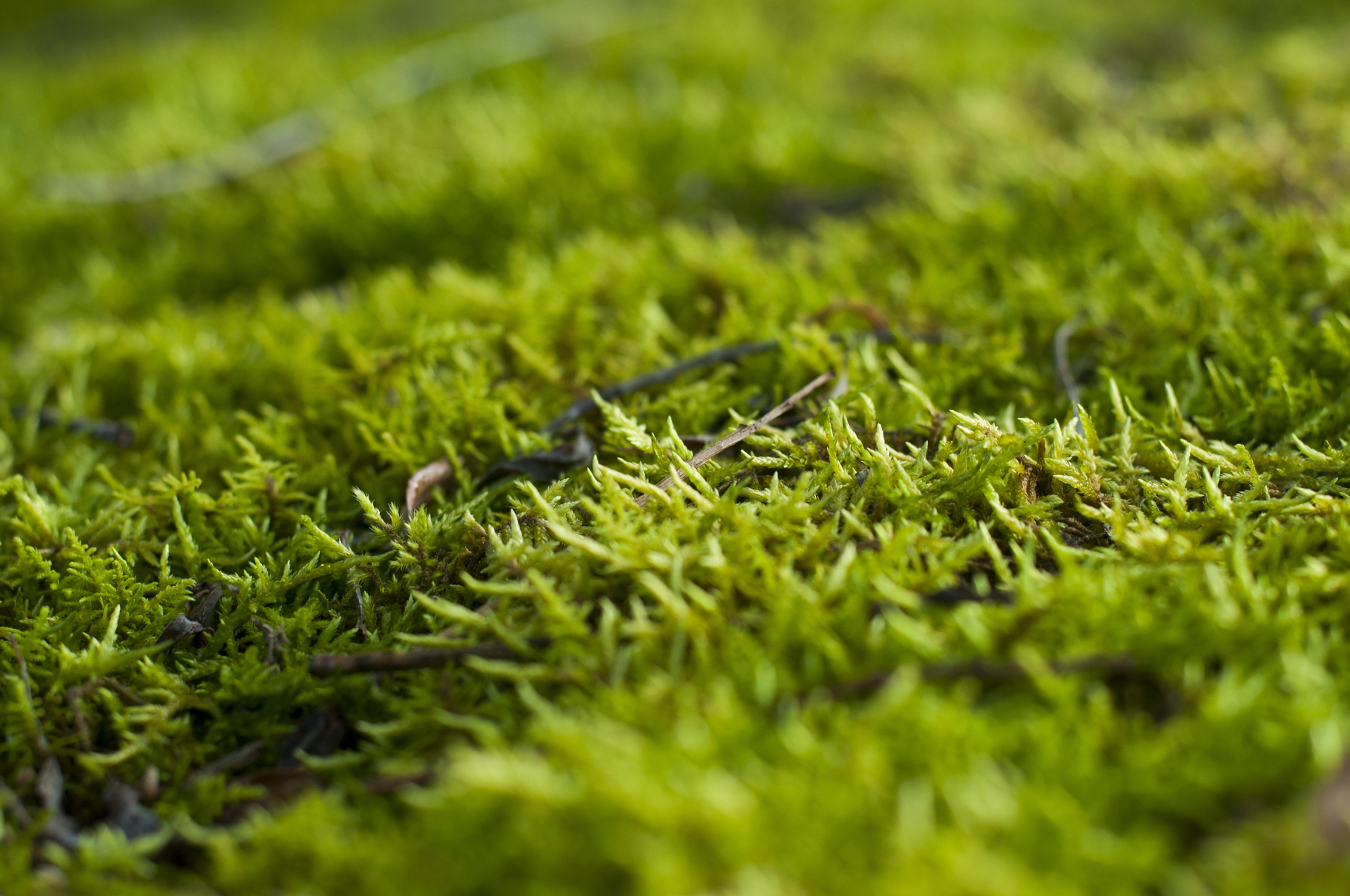
Moss is a low, rootless plant that holds on with fine threads rather than roots, drawing moisture straight from the air and the soil surface. That is why it thrives where grass struggles, and why pulling at it never finishes the job: there is no tap root to lift, and any fragment left behind grows on.
Five conditions do most of the damage. Shade from trees, fences or the house keeps the grass thin and the ground damp, two things moss loves. Compaction, from children playing, a washing line run or heavy foot traffic, squeezes the air out of the soil so grass roots weaken and water sits on top. Poor drainage leaves the surface wet for days after rain, and puddles that linger are a reliable sign of it. Acidic soil, with a pH down around 5.0, suits moss far better than grass. And a mower set too low scalps the grass into bald patches, which Gardeners’ World calls “an open invitation to moss and wild plants.”
Read your own lawn against that list before you do anything else. Moss only in the shade of a hedge points to light. Moss along a worn route to the shed points to compaction. Moss over the whole lawn after a wet spell, with puddles that sit for days, points to drainage or to soil that has gone tight and sour. The pattern tells you which of the jobs below will actually matter, so you spend the effort where it changes something.
How to Clear the Moss Without Raking It to Bare Earth
Scarifying is the main event, and timing decides whether it helps or backfires. The RHS recommends scarifying “ideally in October or early November when the grass is growing strongly,” and the reason is recovery: raking tears gaps in the turf, and you want the grass growing fast enough to fill them before the cold shuts growth down. Rake in the depth of winter and those gaps simply sit open for fresh moss to colonise.
For a small lawn, work a spring-tined rake (around £10 to £15, or $13 to $20) through the moss in firm, overlapping strokes, dragging the dead and living moss up and out. It is hard going, so pace yourself. For anything larger, a powered scarifier, hired at roughly £30 to £50 a day ($40 to $65) or bought from about £90 ($115), does in an hour what the rake does in an afternoon. Set its blades to just nick the surface and tease the moss out, not to gouge into the soil. Hold one thought in mind as you work: lift the moss, do not strip the lawn. Rake so hard that you tear the turf down to bare earth and you have simply traded a mossy lawn for a bald one, with more open ground for moss to seed back into.
If the thought of raking out blackened moss by hand puts you off, a bacteria-based remover is the low-effort route. Products such as MO Bacter use bacteria to digest the moss where it lies, so there is no dead moss to rake up afterwards, and they feed the grass at the same time. They work only while the soil is warm, so apply from spring to autumn when the temperature holds at a minimum of 15C (59F), on a dry day with settled weather. A typical bag runs £15 to £25 ($19 to $32).
Chemical mosskillers based on iron sulphate are the other option, and here the RHS is cautious. Iron sulphate blackens and kills moss by drying it out, but the dead moss still has to be raked off, and the Society advises using only an approved, proprietary lawn mosskiller with printed rates rather than loose iron sulphate sold as a fertiliser. Applied at the label rate, usually around 35 grams per square metre (about 1 ounce per square yard) in spring or autumn, it works, but Gardeners’ World warns that going above the stated rate can kill the grass along with the moss. A bag of lawn sand, which blends iron with sand and a little feed, costs about £10 to £15 ($13 to $20). Skip the kitchen-cupboard cures, too: the RHS notes that baking soda, vinegar, bleach and soap “can kill grass and act as broad-spectrum insecticides” and are not approved for the job.
How to Stop the Moss Coming Back
This is where the lawn is won or lost, and it is the half of the job that clearing on its own can never do. Match the fix to the cause you spotted earlier, rather than doing all of it blind.
For compaction and standing water, open the soil up. Drive a garden fork 10 to 15 cm (4 to 6 in) deep across the lawn and rock it to widen the holes, or hire a hollow-tine aerator for a bigger area, which pulls out plugs of soil and leaves channels for water and air. Brush sharp sand into the holes afterwards so they stay open as drainage routes instead of closing up again. Our guide to aerating a hard, compacted lawn walks through the whole job.
For acidic soil, test it first. A simple pH kit costs £5 to £10 ($6 to $13), and a reading near 5.0 confirms sour ground. A dressing of garden lime over winter nudges the pH up toward the 6.0 to 6.5 that grass prefers, though it acts slowly and is worth retesting the next year. For shade, thin out overhanging branches where you can, and reseed dim, bare corners with a shade-tolerant grass mix bred to cope on less light, sold as both seed and turf.
Then feed the grass so it can out-compete whatever moss is left. An autumn lawn feed, high in potassium and low in nitrogen, toughens the grass for winter rather than forcing soft top growth; our piece on feeding a lawn in autumn covers the timing. Raise the mower, too: keep the grass no shorter than about 3 cm (1.2 in), and nearer 4 cm (1.5 in) through autumn, so the blades shade the soil and crowd moss out rather than leaving it the light and space it wants. Where you have scarified hard and left gaps, overseeding the thin areas now gives grass the first claim on the ground come spring. If you have used a chemical mosskiller, wait four weeks before you sow, as the residue can stop fresh seed germinating.
When to Stop Fighting It
Sometimes the honest answer is to let the moss stay. In a deeply shaded, permanently damp corner where grass has never really grown, you can rake, feed, lime and reseed for years and still lose. The RHS makes the case for giving in gracefully: moss is “soft, green, low-growing, low maintenance and can be walked on,” and a mossy patch is a small haven for beetles, woodlice and nesting birds. If one corner of the garden simply wants to be moss, letting it costs nothing and frees you to put the work where grass can actually win. Everywhere else, clear the moss this autumn, fix the ground beneath it, and the grass takes care of the rest.