
- Plant small bulbs such as crocuses, snowdrops and small daffodils in one unmown corner of the lawn, each no deeper than three times its own height.
- Keep the mower off that patch until the leaves have gone yellow and straw-like, which takes at least six weeks after the flowers finish.
- The leaves refill the bulb after flowering, so a mower that cuts them early costs you next year’s flowers.
Flowers Through the Grass in Spring, Without a Messy Lawn All Year
You want crocuses and daffodils coming up through the grass. You do not want a long, scruffy lawn from February to June, and you do not want the mower slicing the leaves off in April. You can have the flowers and the tidy lawn if you give the bulbs one patch and give the mower one rule.
The patch is a corner or an edge of the lawn that can stay uncut before flowering and for weeks afterwards. Everything else gets mown as normal. The rule is simple: the mower stays away until the leaves have turned yellow and straw-like, and no sooner than six weeks after the flowers fade. Break it every year and the flowers fade out of the grass.
The planting job takes an afternoon. What follows covers where to put the patch, what to plant, how to get the bulbs in without wrecking the turf, and the reason the mowing rule is the one that counts.
Why Autumn Planting Works, and Why Mid-November Is Late but Not Too Late
Bulbs planted into turf in autumn have time to settle. Planting in autumn ensures a turf plug quickly re-roots rather than dying back in dry or frosty weather.
Mid-November is late. The RHS advice for November says there is still time to plant spring-flowering bulbs in lawns, and names snowdrops, crocuses and daffodils as great choices. The catch is daffodils: bulb performance can decline rapidly if bulbs are planted later than mid-November. For a late start, put crocuses and snowdrops in first, and add daffodils only if you can get them in the ground at once.
Planted in autumn, the bulbs flower every spring for many years, and many types set seed and spread into larger drifts with little help from you. The flowers also feed early bees at a time when little else is in bloom.
Pick the Patch and the Bulbs
Choose a spot that can be left unmown through the early part of the year and that nobody walks across regularly. A worn track is where a muddy shortcut wearing bare starts. Most bulbs like a sunny spot. Gardeners’ World suggests a site near the edge of the lawn or under a tree.
A freshly re-cut lawn edge makes a natural border for the patch, and the mower has a clear line to follow around it. Push a few canes in at the corners so that nobody, including you in March, forgets where the patch is.
In turf, pick bulbs that finish growing and flowering early. Crocus is the first choice, finished well before you want to mow the whole lawn. Snowdrops, grape hyacinths and scillas suit grass too. Most daffodils do well. Smaller types such as ‘Tête-à-tête’ suit short grass, and taller ones such as ‘Carlton’ can go into long grass. Crocuses and scillas do well in the open, while snowdrops, cyclamen and narcissi do well under trees.
Check every bulb. Pick firm, undamaged bulbs with no sign of mould, and throw away any that are soft or show rot. Squirrels can be troublesome with tulips and crocuses above all, and so can slugs and snails.
Plant Them Without Wrecking the Turf
The one measurement to remember is three times the bulb’s height, which leaves room for two more bulbs on top of it. A 2.5 cm (1 in) crocus corm goes in at 7.5 cm (3 in). A 5 cm (2 in) daffodil bulb goes in at 15 cm (6 in).
Depth is not fussy for its own sake. Shallow planting leaves bulbs more prone to drying out, which weakens them, and it encourages them to divide into lots of bulbs too small to flower. You end up with a patch of grassy leaves and very few blooms.
Method one, for a few bulbs
Scatter handfuls of bulbs over the patch and plant them where they land. A scattered drift looks natural and a straight row looks like a car park. Keep the bulbs from sitting very close together. Overcrowding reduces flowering, and they stay in place for years.
Make each hole with a trowel or a bulb planter, down to three times the bulb’s height. A sharp stick makes holes for very small bulbs.
Drop each bulb in with the pointed tip facing up. Break up some of the soil from the plug, backfill around the bulb, and put the plug back so the top is level with the lawn around it. Firm it down. A plug left proud gets scalped by the mower, and one left low holds water. Several small bulbs can share one larger hole to make a clump.
Method two, for lots of small bulbs
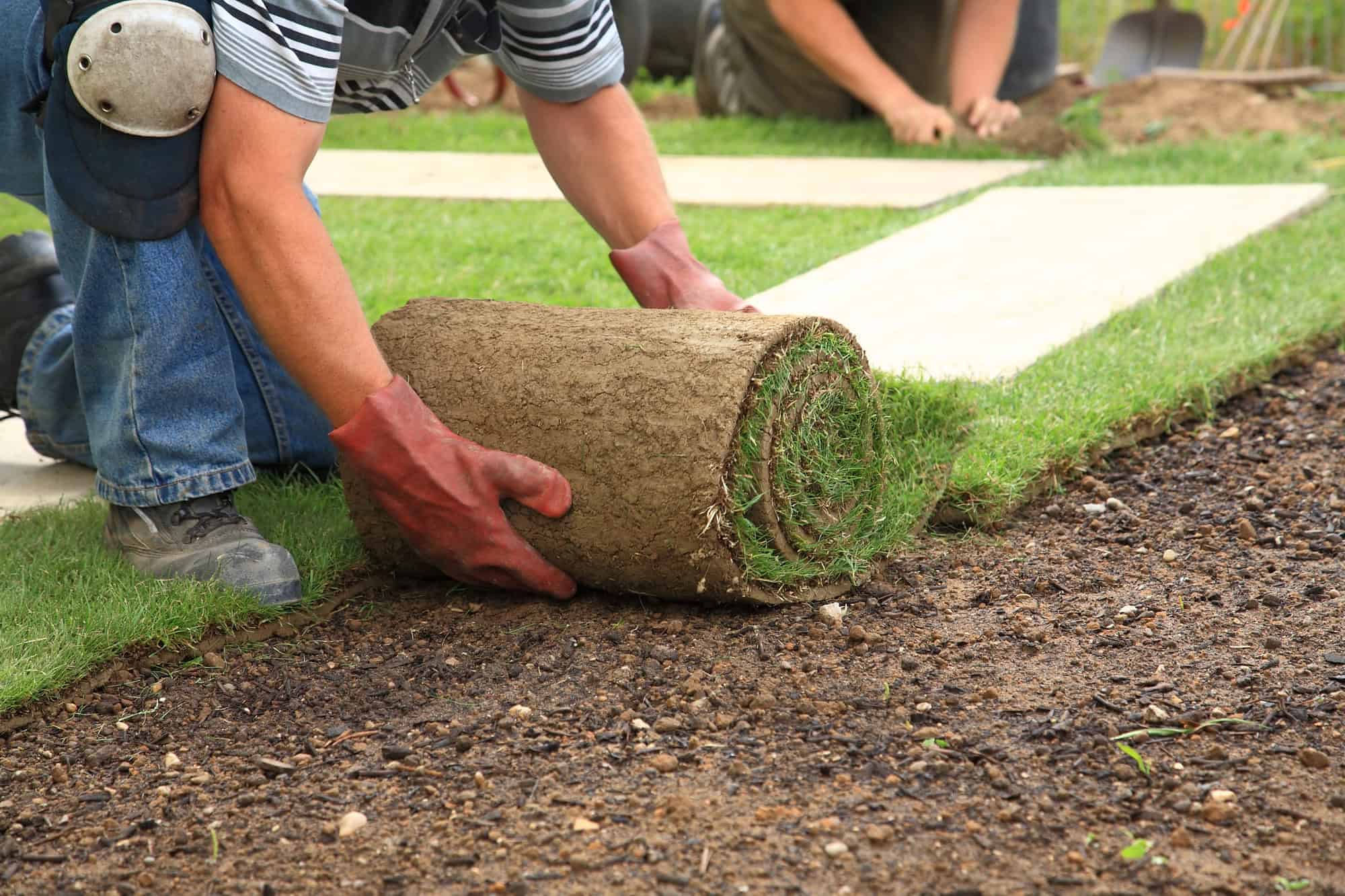
For many crocuses or snowdrops, lifting the turf beats drilling a hundred holes. Use a sharp spade to cut the letter H into the lawn, to a depth of about three times the height of the bulbs. Slice under the turf and roll back the two flaps. Gardeners’ World gives 4 cm (1.6 in) as the cut depth for its turf method.
Lightly fork the bare soil, scatter the bulbs across it and plant them where they land, pointed ends up. Adding a little balanced fertiliser such as Growmore to this soil is an option, and scoring the underside of the turf with a hand fork loosens the soil before you replace it. Feed only the planting soil, never the whole patch.
Lay the flaps back and firm them by hand or by tamping gently with the back of a rake. Fill any gaps with soil or garden compost, and water well so the grass keeps growing.
What the Mower Must Wait For
Here is the part everyone gets wrong. The flowers finish, the patch looks untidy, and the mower comes out. Leave it in the shed.
A bulb is a food store, and flowering spends some of it. After flowering, the leaves keep growing for several weeks. In that time they make food and send it down to refill the bulb, and next season’s flower buds form from that refill. Leaves removed soon after flowering by mowing or by tidying up the garden can lead to blindness, which means leaves with no flowers. Cut the leaves in April and you remove the factory the bulb needs.
The schedule runs like this:
- Let the flowers open and fade. Do not mow the patch before flowering either.
- Leave the leaves alone for at least six weeks after flowering. The foliage generally takes about that long to die back and turn yellow.
- Once the leaves are yellow and straw-like, start regular mowing.
If the grass has grown long by then, take it down in stages, as in cutting back an overgrown lawn. Gardeners’ World says the grass must stay uncut until the bulb foliage dies back in late spring or early summer. Plan for that: you are giving up a corner of the lawn for the best part of spring. Mow right up to the patch edge and no further. A clean mown line around long grass looks deliberate, and ragged half-mown edges look like neglect.
How to Stop the Patch Fading to Nothing in Two Years
A patch that flowers in year one and thins out is almost always a leaf, depth or dry-spring problem.
Mowing too early. The most common cause. Note the date the flowers finished and add six weeks.
Knotting the leaves. Gardeners used to tie daffodil leaves in a knot to look tidy. That reduces the leaves’ ability to work and can cause blindness. Let the leaves die down naturally.
A dry spring after flowering. When the weather is dry after flowering, water thoroughly to keep the ground moist until the foliage starts to die down naturally. Drier springs are now the most common cause of daffodils with leaves and no flowers. Growth that stops early leaves the bulb short of the food it needs to form a flower bud.
Planting too shallow. If bulbs flowered once and then came up as thin leaves, shallow planting can split them into small bulbs. Put the next batch in at three times the bulb’s height.
Seed pods. Seed capsules divert energy from rebuilding the bulb. In a drift where you want daffodils to self-seed, you can leave the flowers to form seed pods. The choice is yours: a faster spreading drift at some cost to the parent bulbs, or fewer, stronger flowers. If the patch is thin, remove faded blooms and let the bulbs refill.
Overcrowding. After a few years clumps can become too crowded and flowering falls. Lift an overcrowded daffodil group when the foliage dies back in summer, improve the soil with garden compost, and replant with a gap of 5 to 7.5 cm (2 to 3 in) between bulbs.
If the patch still fails once mowing, depth and water are right, pests or disease are the next suspects: narcissus bulb fly, eelworm, basal rot and viruses all cause weak flowering.
Plant the patch, mark it, and hold the mower back until the leaves turn straw-like. Do that each year and the flowers come back through the grass every spring.
