
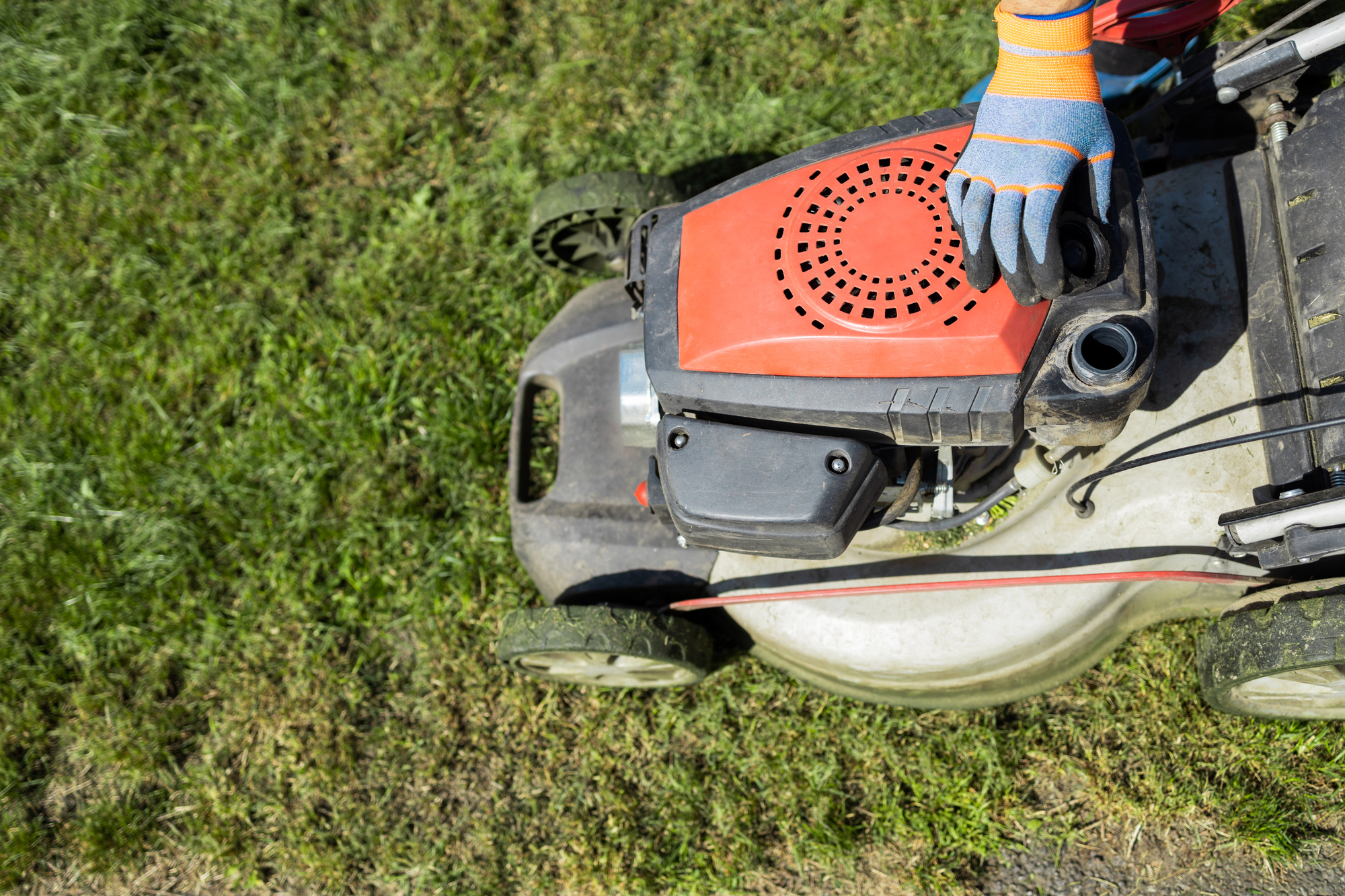
- The mower faults that cost the most in spring all trace back to how the machine sat over winter: stale petrol gumming the carburettor, old oil turning acidic against the engine internals, and a battery left flat until it refuses to take a charge.
- Ten minutes of cleaning, a drained or treated fuel tank and a fresh oil fill now will save a workshop visit that typically runs 50 to 100 pounds (about 65 to 130 US dollars) in April.
- A cordless mower needs the opposite care to a petrol one: take the battery indoors, hold it at a part charge, and never let it sit fully flat in a cold shed.
Why the Mower You Ignore in October Is the One That Will Not Start in April
The last cut of the year is the point where most mowers quietly break. Nothing dramatic happens on the day. The machine goes into the shed caked in damp clippings, with a tank of petrol that still smells fine, and the owner shuts the door on it until the grass starts moving again in spring. Five months later the engine turns over and over and never fires, or it coughs, runs for ten seconds and dies. The repair shop charges a diagnostic fee, cleans a carburettor choked with varnish, and hands back a bill for work that a quarter of an hour in October would have made unnecessary.
Everything that goes wrong over winter is predictable, which is the good news. Petrol degrades. Oil sits and corrodes. Water condenses inside a half empty tank. Lithium cells drain and drop below the voltage their charger will touch. Deal with each of those before the machine goes away and it starts first pull in April, with no bill attached.
In cooler northern climates the right moment is the point when the grass stops growing, roughly when daytime temperatures sit below 10 degrees Celsius (50 degrees Fahrenheit) for a run of days. Give the lawn one final cut on a dry day, taking no more than a third of the blade height in a single pass, and then put the machine to bed properly rather than just parking it.
Clean It Before the Grass Sets Like Concrete
Wet clippings packed under the deck dry into a hard crust that traps moisture against bare metal all winter, and that is how a deck rusts through from the inside. Brush off the mud, grass and leaves before any of it sets. Use a stiff brush or a stick on the blade and the awkward corners, never a bare hand, and keep the machine switched off with the spark plug lead pulled or the battery removed so nothing can turn the blade while your fingers are near it.
Resist the hose. Water driven into the motor housing, the cables or the bearings does more harm over a long winter than the dirt you are trying to shift, so dry clean wherever you can. On a petrol mower, if you tip the machine to reach the underside, keep the air filter side uppermost. Tip it the other way and oil runs out of the sump into the air filter and the cylinder, which fouls the plug and leaves you with a smoking engine the first time it fires in spring.
While the deck is clean and you can see the blade, run a file over its edge or have it sharpened, and wipe a thin smear of light oil across the metal. A sharpened blade put away now is ready to cut cleanly on the first dry day of spring, and the film of oil stops rust forming on the fresh edge over the damp months.
Deal With the Fuel, or the Carburettor Will Deal With You
Petrol starts to break down in as little as 30 days. Left for months it goes stale, drops a sticky varnish through the fuel system and blocks the fine jets inside the carburettor, which are narrower than the lead of a pencil. That blockage is the single most common reason a stored mower starts then stalls, and clearing it is the job you are paying the repair shop to do. You have two ways to stop it.
The first is to run the tank dry or drain it. A simple siphon hose costs under 10 pounds (around 10 US dollars) and empties the tank in a couple of minutes; after that, start the engine and let it run until it cuts out on its own, which clears the petrol sitting in the carburettor bowl as well. An empty, dry fuel system has nothing in it to go off.
The second is to add a fuel stabiliser. A bottle such as STA-BIL costs about 13 pounds (roughly 11 US dollars) and keeps petrol usable for up to two years. Pour the dose for your tank size into fresh fuel, fill the tank, then run the engine for a few minutes so the treated petrol reaches the whole fuel system rather than sitting only in the tank. A full, treated tank also leaves no empty space for damp air to condense into water, which is what rusts a steel tank and sends droplets of water through the jets. Modern petrol with an ethanol content makes both steps more pressing, as ethanol pulls moisture out of the air and holds it in the fuel, so an untreated tank over a wet winter ends up with water sitting at the bottom.
Pick one method and commit to it. The mistake is doing neither, shutting the shed door on a half tank of ordinary petrol, and finding a gummed carburettor in April.
Change the Oil Now, Not in Spring
Used engine oil is not clean. It carries fine metal particles, fuel and acidic combustion by products, and when the mower sits still for months those acids attack the bearings and cylinder walls they are resting against. Draining the old oil out now and refilling with fresh means the engine spends winter bathed in clean oil instead of a mild acid.
Warm the engine for a minute first so the oil flows, stop it, then drain the old oil into a container and refill to the mark with the grade your handbook lists, which for most small four stroke mower engines is a straight SAE 30. A bottle runs about 8 to 10 pounds (roughly 8 to 12 US dollars) and does the job in ten minutes. Take the used oil to a recycling point rather than pouring it away. Leaving old oil in over winter is the quiet fault that shortens an engine’s life a season at a time, and it never shows up as a single dramatic failure, which is why it gets skipped.
Cordless Batteries Want the Opposite Treatment
A battery mower has no fuel or oil to worry about, but the lithium pack is the expensive part and it hates a cold, damp shed. Take the battery out and store it indoors somewhere cool and dry. Most sheds are not frost proof, and a lithium cell left to freeze while fully charged or fully flat can lose capacity it never gets back.
Do not put it away fully charged or fully empty. A part charge, somewhere around half to two thirds, is the state that ages a lithium cell most slowly. Wipe the terminals with a dry cloth, keep water away from the contacts, and top the pack up two or three times across the winter. The reason that last step is worth setting a reminder for: a cell left to drain can fall below the voltage its charger will recognise, and at that point the charger refuses to wake it and the pack is scrap. A replacement battery often costs more than half the price of the mower.
What This Buys You, and When
Store the clean machine off the ground in a dry shed or garage, away from any heater, with the handles folded and the grass box emptied and rinsed. On a corded mower, loop the cable loosely rather than winding it tight, as a kinked cable frays where it bends. Check the handbook before standing any petrol mower on its end, as some models have nothing to stop oil and fuel seeping into the cylinder when they are stored vertically.
The payoff lands on the first warm Saturday of spring. The treated or empty fuel system fires straight away, the fresh oil protects an engine that spent winter clean, the battery holds the charge it went in with, and a sharp blade cuts the first growth cleanly instead of tearing it. You skip the April queue at the repair shop, when every other owner who shut the door on a dirty mower is waiting a fortnight for the same carburettor clean, and you keep the 50 to 100 pounds (about 65 to 130 US dollars) that visit would have cost. Fifteen minutes in October is the cheapest service the machine will ever have.