A dull mower blade is the single most common reason a lawn looks ragged in summer. It rips the tips of each grass plant instead of slicing them, leaving a frayed, whitish-grey edge that browns within 48 hours and lets fungal disease in. If your lawn has looked tired by mid-June for the last few years, the blade is the place to start, not the fertiliser. A sharpened blade cuts cleanly, the grass heals over within a day, and the whole lawn looks visibly greener inside a week.
The good news is that sharpening a rotary mower blade is one of the cheapest jobs you can do. A basic flat file costs around £8/$10 at B&Q, Home Depot or Screwfix. An angle grinder will do the job in under five minutes, and a bench grinder gives you a workshop finish. Most blades only need sharpening once a season for an average garden, twice a season if you mow weekly across a larger lawn.
When Your Blade Is Telling You It Needs Sharpening
Walk out to your lawn the morning after you mow and look closely at the cut tips. A sharp blade leaves a clean, slightly angled cut that heals quickly and is almost invisible from standing height. A dull blade leaves a ragged, torn tip that turns a pale silver or white within 24 to 36 hours. Run your finger along the top of the lawn. If the surface feels rough rather than soft, the blade is tearing.
The other tell is on the mower itself. Lift the deck and look at the cutting edge. A new blade has a clean bevel about 30 to 35 degrees. After a season of use, that bevel rounds over, nicks appear from stones, and the edge becomes blunt. If you can run your finger along the edge without feeling any bite at all, sharpening is overdue. Most domestic blades should be sharpened after every 20 to 25 hours of mowing, which for a typical 200 square metre garden is once a season.
One more sign: the engine works harder. A dull blade increases the load on the motor by 15 to 20 per cent because it is pushing grass over rather than slicing it. Battery mowers show this clearly because the runtime drops noticeably. A petrol mower will sound strained. If you have noticed your battery dying faster this spring, sharpen before you blame the battery.
What You Need to Sharpen at Home
For a flat file approach, you need a 250mm (10 inch) mill bastard file, around £8/$10 from Screwfix, Home Depot or any hardware shop. Add a pair of cut-resistant gloves (around £6/$8), safety glasses, and a bench vice if you have one. Total outlay under £25/$32 and the kit will last decades.
For faster work, an angle grinder cuts the time dramatically. The Makita DGA452Z 18V cordless angle grinder runs around £75/$95 bare tool, or you can get a corded model from Wickes or Lowe’s for £35/$45. Use a 1mm metal cutting disc for nicks and a 60-grit flap disc for the actual sharpening. A bench grinder is the most stable option if you have a workshop. Most domestic models like the Clarke CBG6RZ at around £80/$100 hold the blade against a tool rest and produce a very even edge.
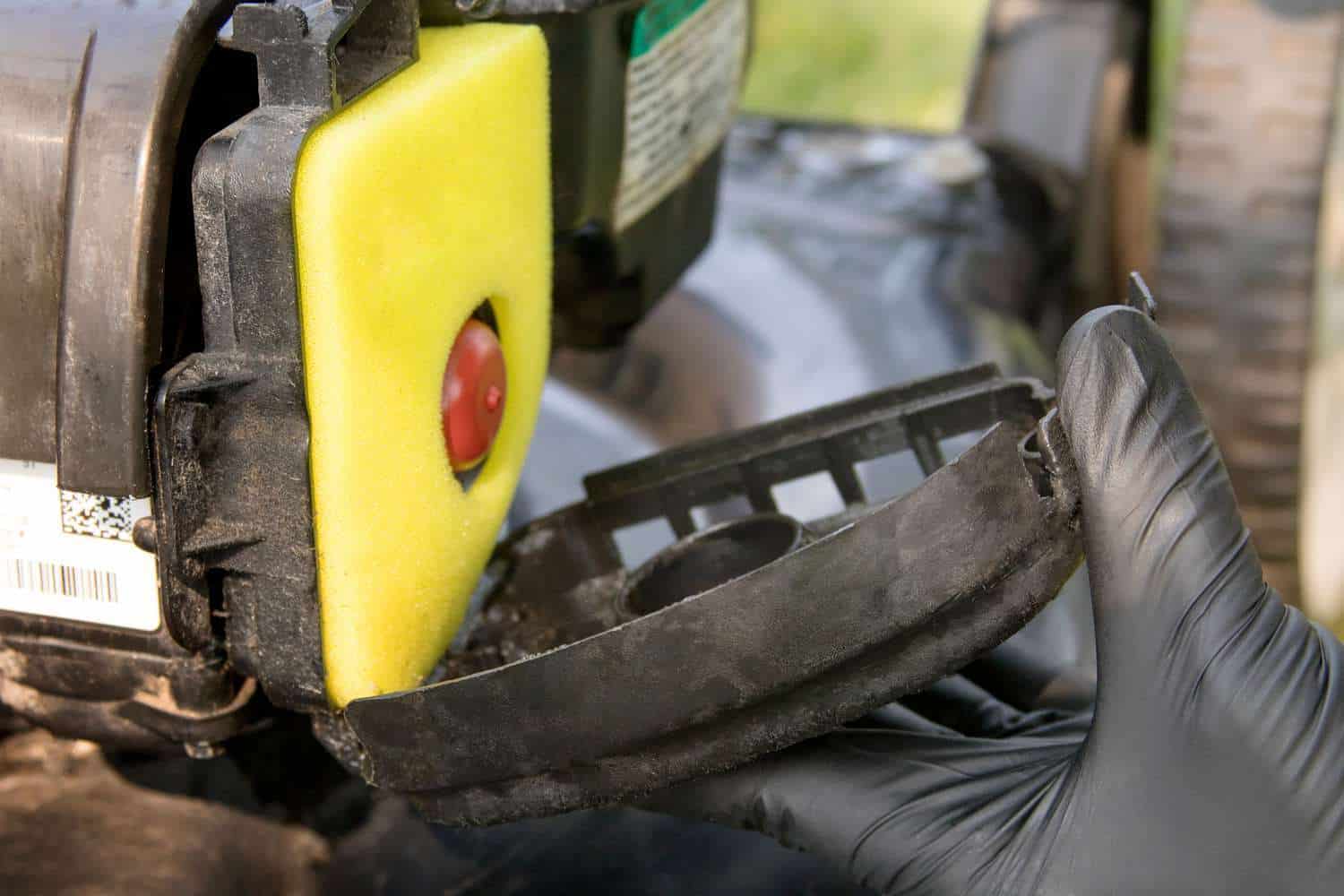
You also need a way to remove the blade. For most walk-behind mowers this is a single bolt under the deck, usually 13mm, 15mm or 17mm. Tip the mower onto its side with the air filter and spark plug facing up to avoid oil flooding the engine. On petrol mowers, disconnect the spark plug lead first. On battery mowers, remove the battery. This is the step most people skip and the reason injuries happen.
The Step by Step Method That Works Every Time
Start by marking the underside of the blade with a permanent marker before you remove it. This tells you which side faces down when you refit it. Refitting a mower blade upside down is a surprisingly common mistake, and a blade fitted upside down will cut almost nothing.
With the blade off, clamp it in a vice with the cutting edge facing up. Wear gloves. Clean the blade with a wire brush to remove caked grass and soil, which dull the file and hide nicks.
For a file finish, hold the file at the same angle as the existing bevel, around 30 to 35 degrees. Push the file along the edge in long, single direction strokes, away from your body. Count your strokes. Twenty to twenty five passes per side is usually enough to restore a working edge on a moderately blunt blade. Never file back and forth like a saw, because a file only cuts on the forward stroke and a back stroke dulls it.
For an angle grinder, tip the grinder slightly so the disc matches the bevel angle. Keep the disc moving and use only light pressure. The biggest mistake here is overheating. If the steel turns blue or straw coloured, you have drawn the temper out and the edge will go blunt within two or three mowings. Stop every five seconds and let the blade cool. Two or three passes per side at this rate is enough.
You are not trying to create a razor edge. Aim for an edge about as sharp as a butter knife. Anything sharper and the steel chips on the first stone you hit. A working mower blade edge should glint slightly under light and feel like it could nick the skin if pressed firmly, but not cut paper cleanly.
Once both sides are sharpened, count your strokes back from the side you started with and match them on the other side. This keeps the blade balanced, which is the second part of the job most people skip.
The Step Most People Skip: Balancing the Blade
A mower blade spinning at 3,000 rpm and unbalanced by even a few grams will shake the entire deck. That vibration travels into the spindle bearings and the engine crankshaft, and over a season it can cause hundreds of pounds of damage. It also makes the mower exhausting to push for any length of time.
Test balance by hanging the blade on a nail driven into a wall stud, through the centre hole. If one side dips, that side is heavier. File a little more material off the back edge of the heavier side, never the cutting edge, and recheck. The blade should sit horizontal when balanced. A purpose-made blade balancer cone is around £6/$8 from Amazon if you sharpen blades regularly.
Refit the blade with the cutting edge facing the direction of rotation, which is what your marker line tells you. Tighten the bolt firmly. Most manufacturers specify around 40 to 50 Newton metres for a domestic mower. Reconnect the spark plug or refit the battery. Lift the mower upright and you are done.
What This Actually Does for Your Lawn
Cut quality is the single biggest variable in lawn appearance that a homeowner controls. Feeding, watering, and overseeding all help, but they are wasted on a lawn being shredded by a blunt blade. Within one mow of refitting a sharpened blade, the lawn looks cleaner. Within two weeks, the colour deepens visibly because the grass is no longer wasting energy healing torn tips. By midsummer, a lawn that gets a sharpened blade looks noticeably greener than one that does not, even with identical feeding and watering.
If you mow weekly across a typical 200 square metre garden, sharpening takes about twenty minutes in spring, costs around £8/$10 in materials, and is the single highest return job in the lawn calendar. Most domestic blades will take five or six sharpenings before they need replacing. Replacement blades for a Flymo, Bosch, Honda or Ego mower run around £15 to £30 ($20 to $38) at the same retailers where you buy the file. If your blade is bent, deeply nicked, or worn so thin you can flex it, replace rather than sharpen.
Sharpen in early spring before the first mow, and again in midsummer if you have a larger lawn. That is the rhythm that keeps the lawn looking cut rather than chewed for the entire growing season.