
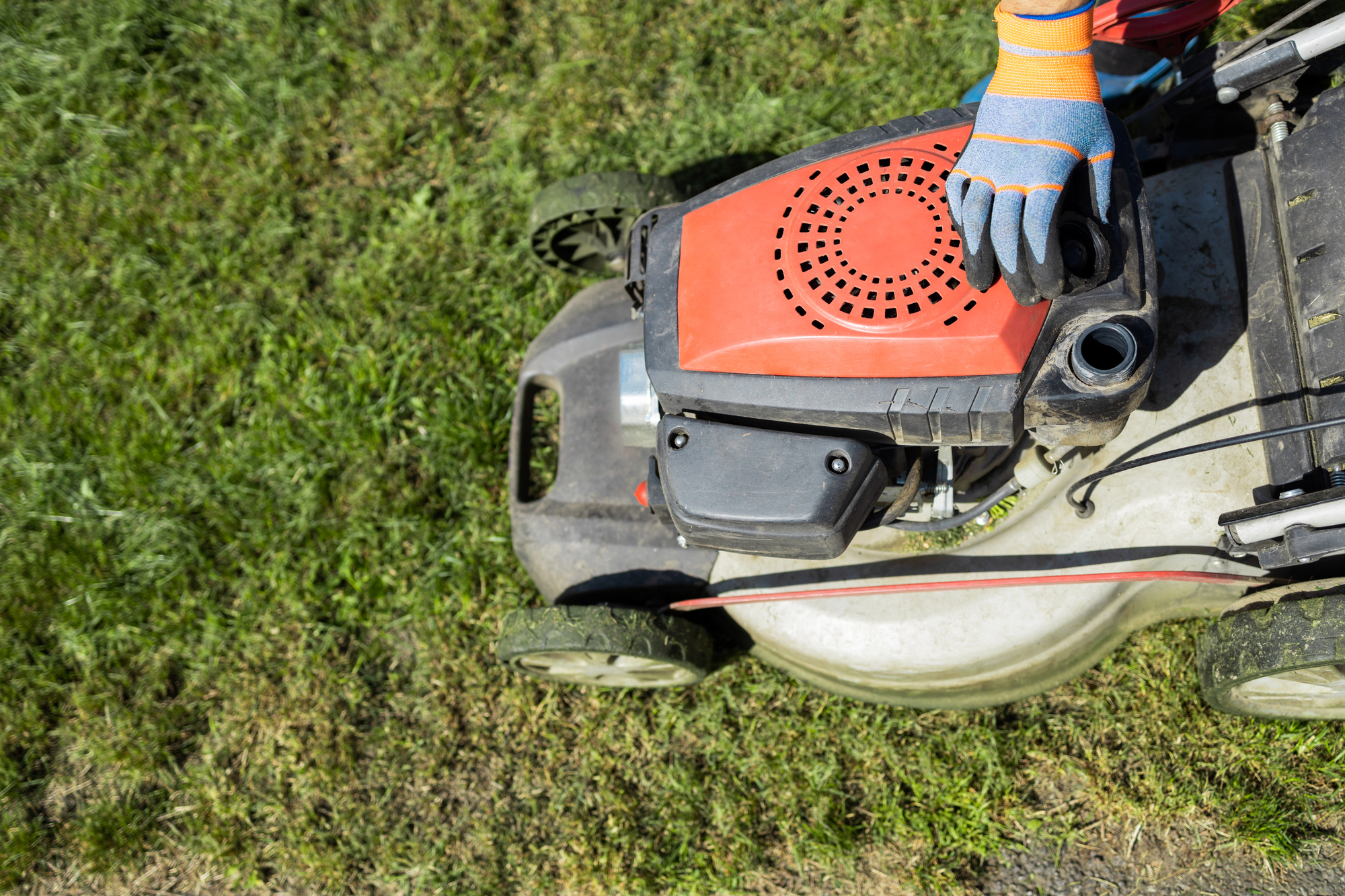
A petrol mower that starts fine, runs for ten or twenty minutes and then dies on a hot day, only to restart once it has cooled, is showing one of the most recognisable faults in small engines. The cause is almost always fuel turning to vapour before it reaches the cylinder, a problem made worse by summer heat.
The good news is that the most common culprit costs nothing to test and only a few pounds to fix.
Before you suspect anything expensive, try loosening the fuel cap the moment the engine cuts out, because a blocked cap vent is the single most frequent reason a mower stalls when hot.
What Heat Actually Does to the Fuel
A petrol engine needs liquid fuel delivered steadily to the carburettor, where it mixes with air and burns. Vapour lock happens when that fuel gets hot enough to boil and turn to vapour while it is still in the tank, the fuel line or the carburettor, instead of in the cylinder where it should. The engine cannot run on vapour the way it runs on a fine liquid mist, so it starves and stalls. As the machine sits and cools, the vapour condenses back to liquid, fuel flow returns, and the engine starts again as if nothing was wrong. That start-run-die-cool-restart pattern is the signature of a heat-related fuel fault, and recognising it saves you from chasing problems in the wrong place, such as the blade, the drive or the controls, which have nothing to do with why the engine stops.
It is worth ruling out the obvious first. Confirm the mower is not simply running low on fuel as it warms, that the oil is at the correct level on a four-stroke engine, and that you are not mowing grass so long and thick that the engine is bogging down and overheating under the strain. Once those everyday causes are cleared, a true hot-stall that follows the cool-and-restart pattern points squarely at the fuel system, and that is where the cheap, common fixes lie.
Summer makes every version of this worse for a simple reason. The engine block already runs hot, air temperatures add to it, and modern petrol containing ethanol boils at a lower temperature and absorbs moisture, all of which push the fuel closer to vaporising. This is why a mower that behaved perfectly in spring suddenly starts cutting out in a July heatwave. Nothing has broken; the conditions have simply tipped a marginal fuel system over the edge.
The Faults That Cause It, From Cheapest to Fix First
1. A blocked fuel cap vent. The fuel cap has a tiny vent hole that lets air into the tank to replace the fuel as it is used. If that vent clogs with dust and old fuel residue, a vacuum builds inside the tank as the engine draws fuel down, and eventually the vacuum is strong enough to stop fuel flowing at all, starving the engine. Heat speeds this up. The test is quick and conclusive: when the mower stalls hot, loosen the cap. If you hear a hiss of air rushing in and the engine then restarts and runs, the vent is your problem. Clean the cap with compressed air or replace it, with a new cap costing around 8 to 15 pounds (10 to 19 dollars).
2. Stale or ethanol-heavy fuel. Petrol older than about a month begins to break down, and the ethanol in it draws in water. Degraded fuel that just about burns in a cold engine often fails to burn cleanly once the engine reaches full operating temperature, so the mower runs then dies as it heats up. Drain any fuel older than 30 days, run the carburettor dry, and refill with fresh petrol. Where you can buy it, ethanol-free fuel resists vapour lock far better and is worth using in a mower that suffers in the heat. A fuel stabiliser added to the can, around 6 to 10 pounds (8 to 13 dollars) a bottle, keeps stored fuel usable for longer.
3. A partially blocked carburettor. Tiny passages and jets inside the carburettor can clog with varnish and deposits left by old fuel. A carburettor that is only partly blocked may pass enough fuel to run a cool engine but fail to keep up once the engine is hot and demanding more, so it stalls under load on a warm day. Cleaning the carburettor with a proprietary spray cleaner, around 6 to 12 pounds (8 to 15 dollars), often clears it. A badly gummed carburettor may need stripping or a rebuild kit, which is still far cheaper than a new mower.
4. Fuel line routed against the engine. If the rubber fuel line runs too close to the hot engine block or exhaust, the heat soaks into the fuel inside it and boils it. Check the routing and, if the line sits against a hot surface, reposition or clip it away from the heat, fitting a short piece of heat-resistant sleeve if needed. It is a small job that cures a stubborn hot-stall on some machines.
Less Common but Worth Checking
If the fuel system checks out, the next suspect is the ignition coil. As an ignition coil ages, it can work when cold but break down once it heats up, cutting the spark to the plug and killing the engine until it cools. The pattern looks identical to vapour lock, so test the fuel cap and fuel first, since they are far cheaper and more common. A failing coil is confirmed by checking for spark on a hot engine with an inline spark tester, and a replacement coil typically costs 15 to 30 pounds (19 to 38 dollars). A clogged air filter or an overheating engine low on oil can also cause hot stalling, so check the oil level is correct and the air filter is clean as part of any diagnosis.
Cooling counts too. Grass and debris caked over the engine cooling fins trap heat and push the whole engine, and its fuel, hotter than it should run. Clearing the fins and the area around the flywheel shroud lets the engine shed heat and can stop a borderline hot-stall on its own. It is part of the same routine that keeps the underside of the deck clean.
Working Through It Without Wasting Money
The mistake that costs people most is jumping straight to the carburettor or the coil and spending on parts before doing the free test. Start every time by loosening the fuel cap when the engine stalls hot. If that fixes it, you have solved the problem for the price of a clean or a cap. If not, work outward in order: fresh fuel, then a carburettor clean, then fuel line routing, then ignition and cooling. Following that sequence means you fix the cheap, likely faults first and only reach for the wallet if the simple checks come up empty.
There is also a simple field trick for finishing a cut while you wait for parts. If you know the mower will run for fifteen minutes before stalling, plan the lawn so you do the most awkward areas first while the engine is reliable, and keep the cap a quarter turn loose if a blocked vent is the suspected cause, watching that no fuel sloshes out on slopes. It is a workaround rather than a cure, but it lets you keep the grass under control until you have fixed the underlying fault properly. Never run the engine in an enclosed space while testing, and let it cool before refuelling, because adding petrol to a hot engine is a fire risk.
The reason a hot-stall is worth chasing rather than living with is that it tends to worsen. Old fuel left in the system gums the carburettor further, a marginal coil eventually fails completely, and a vacuum-locked tank can leave you stranded mid-lawn every single cut. Spend twenty minutes on the checks above at the first sign of trouble and a mower that dies in the heat usually returns to running a full tank without missing a beat.