
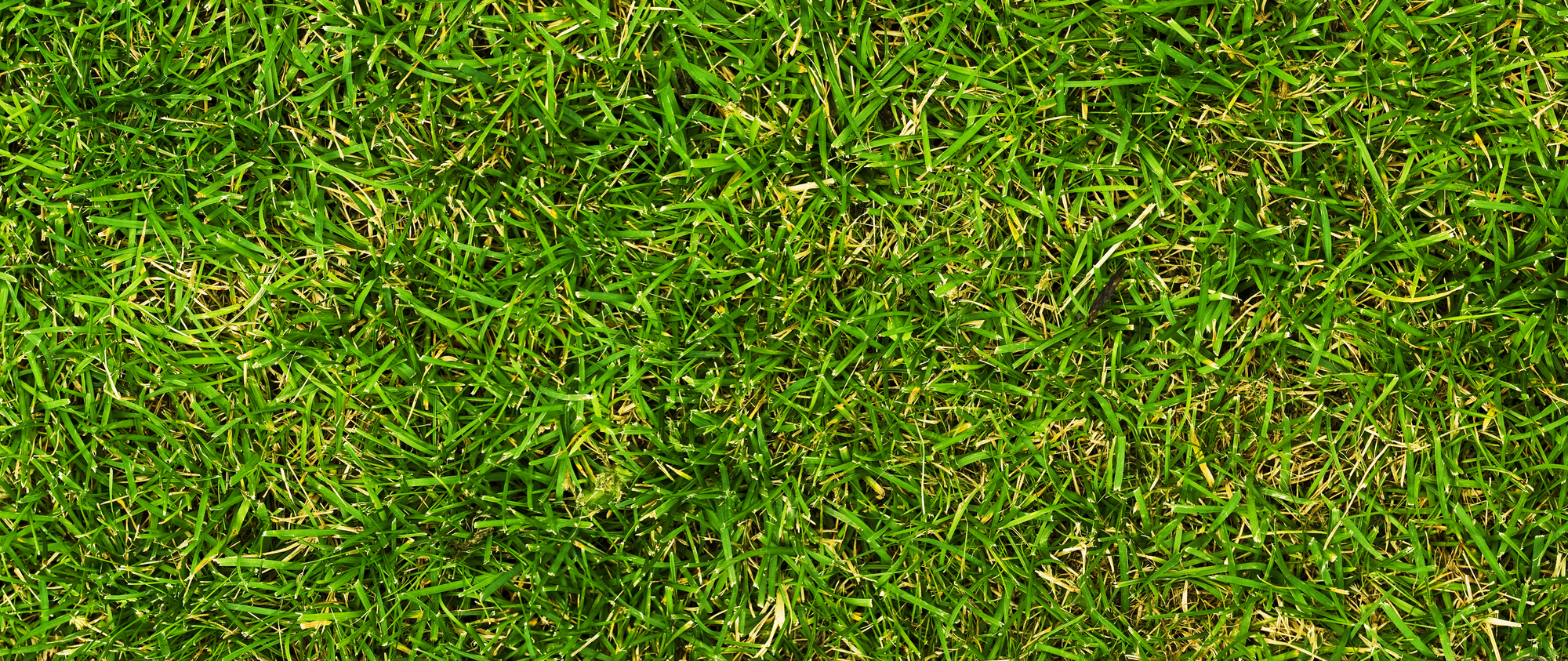
If your lawn takes a summer of football, dog runs and paddling pools and still knits back together within a fortnight, the grass under your feet is almost certainly perennial ryegrass. It is the workhorse of hard wearing lawns, and it behaves nothing like the fine fescues or Kentucky bluegrass it often shares a seed box with. Knowing which grass you actually have changes how you mow it, feed it and repair it.
Perennial ryegrass (Lolium perenne) germinates faster than any other cool season grass, greens up quickly and takes heavy traffic without thinning. It also has one clear weakness that trips up most gardeners. Once you understand that weakness, the rest of its care falls into place.
How to Recognise Perennial Ryegrass in Your Lawn
Pull a single blade and turn it over. Perennial ryegrass has a distinct glossy sheen on the underside of the leaf, almost as though it has been polished, and a medium fine texture in a deep green. The young leaves are folded flat in the shoot rather than rolled, the veins on the upper surface stand out clearly, and the base of the plant near the crown often carries a pinkish or reddish tint. Run your fingers down a tuft and it feels smooth and slightly waxy.
The trait that decides everything else is its growth habit. Perennial ryegrass is a bunch type grass. Each plant grows in a tight clump from a central crown and thickens by pushing out new side shoots, called tillers, from that crown. It has no rhizomes running underground and no stolons creeping across the surface. Fescues grow the same way, but Kentucky bluegrass spreads sideways through rhizomes and can knit a small bare patch closed on its own.
This has a real practical consequence. When a clump of ryegrass dies, or a patch wears bare along a washing line or a gate, the surrounding grass cannot creep in to cover it. The gap stays open until you drop fresh seed on it. A bluegrass lawn heals a small scar by itself. A ryegrass lawn will not. That single difference explains why hard wearing family lawns need the odd handful of seed scattered on worn lines each autumn to stay thick.
Why It Wears Better Than Almost Any Other Cool Season Grass
Speed is the first reason ryegrass dominates hard wearing seed mixes. It germinates in five to seven days, well ahead of fescues at ten to fourteen days and bluegrass at fourteen to twenty one. You will see full cover of a sown area in two to three weeks. The mechanism sits in the seed itself. Ryegrass seed is large and packed with carbohydrate reserves, so the seedling pushes out a root and a first leaf quickly and starts feeding itself before it runs out of stored energy. That head start lets it establish ahead of the weeds competing for the same ground.
The wear tolerance comes from the plant’s structure. A healthy ryegrass sward carries a very high density of tillers, so more individual growing points per square metre share the load of foot traffic. The leaves contain tough fibre bundles that resist tearing, and the crown sits low and stays elastic, springing back after it is crushed rather than snapping. That combination is why groundstaff sow sports pitches and school fields with ryegrass mixes and expect them to take a full season of studs.
Recovery works through those crowns, not through spreading. Trodden grass regrows from the growing point tucked at the base of each plant, so a ryegrass lawn bounces back from general wear fast. What it cannot do is fill an actual gap, which is why worn desire lines across a lawn need reseeding rather than patience.
For a new lawn, sow at six to eight pounds per 1,000 square feet, roughly 30 to 40 grams per square metre. For overseeding worn lines into an existing lawn, halve that to 15 to 20 grams per square metre. A hard wearing perennial ryegrass mix such as Johnsons Lawn Seed Tuffgrass costs around £13/$17 for a 425g box that covers about 17 square metres, and larger 5kg sacks of a general hard wearing mix run about £30/$38 at B&Q, Amazon or most garden centres. Pick a mix that names its cultivars on the bag rather than a generic “ryegrass”, as bred turf cultivars are finer and denser than the agricultural forage types grown for grazing.
This is why so many quality lawn mixes blend ryegrass with fescues rather than sowing it alone. The ryegrass germinates first and holds the wear, giving the slower fescues cover to establish underneath, and the fescues then add fine texture and better drought tolerance to a sward the ryegrass would otherwise dominate. A typical hard wearing mix runs 40 to 60 percent ryegrass, with the balance in strong creeping and Chewings fescue. If you want a lawn that takes children and pets but still looks fine textured, a blend beats pure ryegrass every time.
How to Feed, Mow and Water Perennial Ryegrass
Cut a ryegrass family lawn at 25 to 40 mm (1 to 1.5 inches), and never take more than the top third of the leaf in a single pass. The one third rule protects the plant’s energy supply. Grass makes its sugars in the upper leaf, so scalping it forces the plant to spend crown reserves on regrowth, which thins the sward and opens space for weeds. Ryegrass punishes a blunt blade harder than most grasses. Its tough leaf fibres shred instead of slicing under a dull edge, leaving whitish frayed tips that brown within a day, so keep the mower blade sharp right through the growing months.
Feed it like the hungry grass it is. A spring feed high in nitrogen, around a 12-2-4 to 14-2-5 ratio, drives the tillering that thickens the sward after winter. Miracle-Gro EverGreen Complete lands near £19/$24 for enough to treat 360 square metres. Apply at the rate printed on the box, water it in within 48 hours if no rain falls, and keep granules off dry blades in hot weather to avoid scorching the leaf. A gentler product that is safe around children and pets shortly after watering in is Westland SafeLawn at about £12/$15 for 150 square metres.
On water, ryegrass roots run shallower than tall fescue, so it browns sooner in a long dry spell. The trade off is how fast it bounces back. Water deeply once or twice a week rather than a daily sprinkle, wetting the soil to 100 to 150 mm (4 to 6 inches) so the roots chase the moisture down and build resilience. Two summer diseases target it more than most. Red thread throws pink threads through the sward when nitrogen runs low, and grey leaf spot thins it in hot humid spells. Our guides to red thread and summer lawn disease walk through treatment step by step.
One job ryegrass rarely needs is heavy scarifying. It produces far less thatch than bent grasses or a bluegrass sward, so the spongy layer of dead stems that chokes some lawns builds slowly here. A light rake in early autumn to lift lateral growth and clear debris is plenty for most ryegrass lawns, and that lighter workload is part of why it suits busy households that want a tough green space without a long maintenance list.
The mistake that catches people out is expecting ryegrass to self repair. It will not creep into a gap the way a bluegrass lawn does, so any bare line along a path or gate stays open until you reseed it, and a thinning line quickly collects moss and weeds. Keep a box of matching seed in the shed, scatter a pinch on worn areas each autumn while the soil is still warm, rake it lightly into contact with the soil and keep it damp, and a ryegrass lawn will stay dense and green for decades.