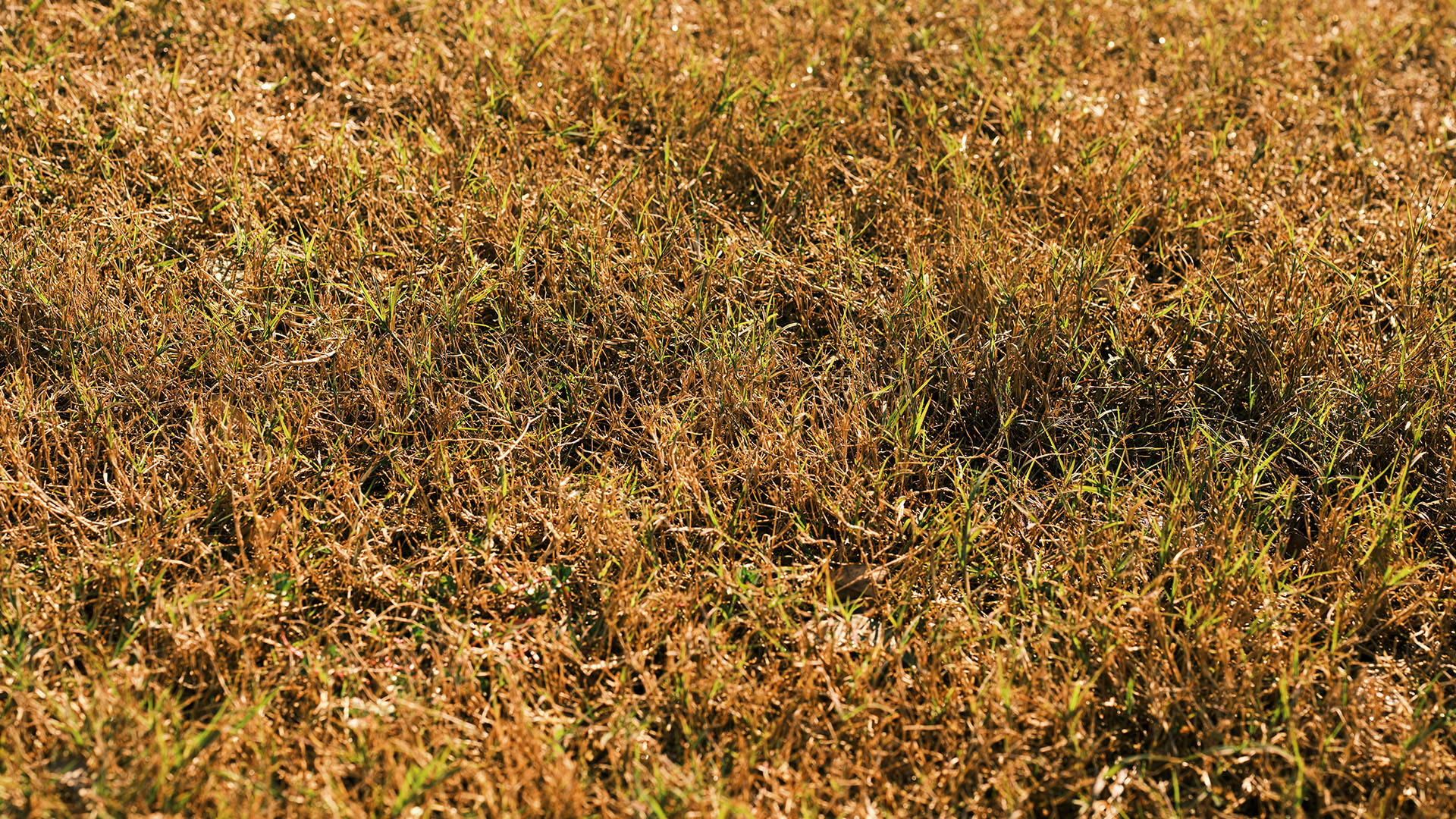
If pinkish red threads and ragged bleached patches are spreading across your grass during warm, damp weather, the culprit is almost certainly red thread. It is one of the most common lawn diseases of summer, and the single most useful thing to know about it is this: red thread is a sign that your grass is hungry, not a plague you need to spray. Feed the lawn correctly and the problem grows out on its own. Reach for a fungicide and you will spend money treating a symptom while the real cause sits untouched.
How to Recognise Red Thread
Red thread is caused by a fungus called Laetisaria fuciformis. It produces two tell-tale signs. The first is the threads themselves: fine, needle-like strands of pink, coral or rust-red fungal tissue that bind together the tips of the grass blades, most visible early in the morning when the lawn is still wet with dew. The second is the patches. Affected areas turn a pale straw or bleached tan colour, usually irregular circles or blotches between 5cm and 25cm (2 to 10 inches) across, and they often merge into larger ragged zones across an open, sunny part of the lawn.
The reassuring part is that red thread attacks only the leaf, not the crown or the roots. According to the Royal Horticultural Society, it will rarely kill the grass completely, and the turf recovers fully once you correct the underlying cause. That is the difference between red thread and a more damaging root or crown disease: pull at an affected patch and the grass stays anchored, because the plant below soil level is still alive. Fine fescues and perennial ryegrass, the backbone of most cool-season lawns, are the grasses it favours most, so a typical garden lawn is a prime target during a humid summer.
The fungus thrives in cool to mild, humid conditions, typically when air temperatures sit between 15 and 25 degrees C (59 to 77 degrees F) and the leaf surface stays wet for long spells. That is exactly the pattern of a muggy summer with overnight dew, light rain and warm days, which is why outbreaks appear so suddenly after a humid week. One way to be sure you are looking at red thread and not a similar disease is the colour and texture of the fungal growth: red thread shows distinct reddish, branching threads at the leaf tip, whereas dollar spot leaves smaller, sharply defined bleached spots the size of a coin with no pink threads, and a nitrogen-poor lawn can carry both at once.
Why Low Nitrogen Lets It Take Hold
The reason red thread appears on one lawn and not the one next door almost always comes down to nitrogen. Turf science is consistent on this point. Plant pathologists at Kansas State University and Penn State both identify nitrogen deficiency as the primary trigger for serious outbreaks, and the cultural fix they recommend is an adequate, balanced nitrogen feeding programme rather than chemical treatment.
The mechanism is about growth speed. Grass defends itself from leaf disease partly by growing: as the plant pushes out fresh leaf tissue and you remove the older, infected tips at each mowing, the infection is literally cut away and outpaced. When a lawn is starved of nitrogen it grows slowly, cannot replace infected tissue quickly enough, and the fungus colonises the stationary leaf. A well-fed lawn shrugs off the same fungal spores because it simply grows past them. This is why red thread is so common on lawns that have not been fed since early spring, on sandy soils that leach nutrients fast, and on lawns where the clippings are always removed, taking their nutrient content away with them.
If you want to know exactly where your lawn stands before feeding, a soil test is worth the small outlay. A basic soil nutrient and pH kit costs around £8 to £12 (about $10 to $15) at any garden centre, B&Q or Amazon, and tells you whether nitrogen is actually short and whether the pH is sitting in the 6.0 to 7.0 band that cool-season grass prefers. Grass struggling at the wrong pH cannot take up nitrogen efficiently even when you apply it, so testing first saves you feeding a lawn that has a different problem. It also stops you wasting feed on a lawn that is already well supplied and where the real fault lies with watering or shade.
How to Treat and Prevent It
The treatment is a feed. Apply a nitrogen-rich lawn fertiliser and you will usually see the patches green up and grow out within two to three weeks. For a fast response in summer, a liquid feed acts quickest because the nitrogen is immediately available to the leaf. Miracle-Gro EverGreen Fast Green is a soluble high-nitrogen feed costing around £8 to £10 (about $10 to $13) for a box treating roughly 100 square metres, watered on through a can or hose feeder. If you prefer a gentler granular option that is safe for children and pets once watered in, Westland SafeLawn (a 6-1-3 organic-based feed) costs around £12/$15 for 150 square metres. Apply at the rate printed on the pack, typically 35g per square metre, which for a small 50 square metre lawn means about 1.75kg per application. Spread it evenly, because a heavy-handed patch of granular feed left dry on the leaf in warm weather can scorch the grass yellow.
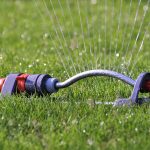
Alongside feeding, change the conditions the fungus needs. Water deeply and infrequently in the early morning rather than lightly in the evening, so the leaf has the whole day to dry rather than staying wet all night. Improve air movement by cutting back overhanging shrubs at the lawn edge. Keep your mower blade sharp, because a clean cut heals faster than the torn, frayed wound a blunt blade leaves, and ragged wounds are open doors for fungal entry. Raise your cutting height slightly to around 4cm to 5cm (1.5 to 2 inches) during an outbreak, since a longer leaf carries more reserves and recovers faster. While the lawn is actively infected, collect the clippings rather than leaving them, because the fungal threads can survive in the cuttings and thatch for up to two years and spread the disease to clean areas. Once the lawn is healthy again you can return to leaving clippings to recycle their nitrogen. A consistent feeding routine maintained over two to three growing seasons will, in the words of the turf pathologists, drastically reduce or eliminate repeat outbreaks. You can read more in our guide to summer lawn feeding.
Mistakes That Make It Worse
The most expensive mistake is buying a fungicide. Home lawn fungicides are costly, short-lived, and treat only the visible symptom while the hungry grass stays vulnerable to the next humid spell. The money is far better spent on a bag of nitrogen feed that fixes the root cause. The second mistake is evening watering, which keeps the leaf wet overnight and hands the fungus the long period of leaf moisture it needs to spread. The third is ignoring the problem in the hope it passes. It may fade when the weather dries, but the underlying nitrogen shortage remains, so the patches return with the next warm, damp week and the sward gradually thins. Thin, weak turf then leaves bare gaps that weeds such as clover and yarrow colonise, turning a cosmetic fungal blemish into a longer renovation job. A fourth mistake is feeding far too heavily in a panic, dumping a high dose of nitrogen all at once. That forces a surge of soft, sappy growth which is itself prone to other summer diseases and burns easily in heat. Steady, moderate feeding wins every time. Treat red thread as your lawn asking to be fed, respond with nitrogen and sensible watering, and the pink threads disappear for good.