The fastest way to stop dog urine ruining your lawn is also the cheapest: keep a watering can by the back door and flush the spot within a few hours of your dog using it. That single habit dilutes the one ingredient doing the damage before it can burn. The yellow patches are not a stain, an acid, or a disease. They are nitrogen scorch, the same kind of burn you would get from tipping a pile of dry lawn feed in one place. Once you understand that, every prevention and repair step below starts to make sense, and you can stop wasting money on the supplements and home remedies that do nothing.
Why Dog Urine Burns the Grass
Dog urine is rich in urea, a nitrogen waste product the body makes when it breaks down protein. Because dogs eat a high-protein diet, their urine carries a heavy load of nitrogen compounds and the salts that come with them. When that concentrated dose lands on one small patch of grass, the result is a classic case of too much of a good thing. Grass needs nitrogen to grow, which is why it is the headline ingredient in almost every lawn feed, but in a sudden, concentrated hit it pulls water out of the grass roots through osmosis and scorches the leaf, exactly the way over-applied fertiliser does. The science is well documented: experts at McGill University point out that it is specifically the nitrogen in the urea, not the acidity of the urine, that kills the grass.
This explains the signature look of a dog spot. You get a dead, straw-coloured centre where the dose was strongest, ringed by a band of thick, dark green grass at the edges where the urine was diluted enough to act as a feed rather than a poison. That green halo is the giveaway that tells you the cause is nitrogen and not a fungal disease, which would not produce the same fertilised ring. Female dogs and puppies tend to cause more damage than lifted-leg males, not because of any difference in their urine chemistry, but because squatting deposits the whole volume in one concentrated puddle rather than spreading it.
What Actually Prevents the Damage
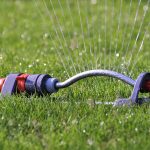
Dilution is the only method with solid science behind it. If you can reach the spot with water within about eight hours, ideally much sooner, you wash the nitrogen and salts down through the soil before they reach a damaging concentration at root level. A 9 litre (2 gallon) watering can emptied over a fresh spot is usually enough on most soils. This is the single most effective thing you can do, and it costs nothing. If your dog favours one or two toilet areas, train that habit deliberately and keep a can or a hose nearby so flushing becomes routine rather than a chore.
Encouraging your dog to drink more also helps, because more dilute urine carries less concentrated nitrogen onto any one patch. A pet water fountain or simply topping up bowls through the day nudges intake upward. Diet is the longer game. Many dog foods contain far more protein than an average pet needs, and the excess is converted to urea and excreted, so a food with a sensible, vet-approved protein level can lower the nitrogen load at source. Do not slash your dog’s protein without veterinary advice, because protein is essential and cutting it carelessly causes real harm, but it is worth a conversation with your vet if patches are a constant problem.
Just as important is knowing what to ignore. There is no scientific evidence that tomato juice, dietary supplements that claim to bind nitrogen, or pills that alter urine pH actually protect your lawn, and McGill’s science writers describe these as unfounded. Worse, anything that meddles with your dog’s urine chemistry can carry health risks of its own, such as encouraging bladder stones. Save your money. The other quiet fix is a tougher lawn. Perennial ryegrass and fescues shrug off nitrogen far better than Kentucky bluegrass, so if you are reseeding anyway, a hard-wearing ryegrass or fescue mix builds in some natural resistance.
How to Repair the Patches You Already Have
Start by flushing the dead patch thoroughly with water, even though the damage is done, because you need to wash out the residual salts before new seed will take. Soak the area heavily over a day or two. Then rake out the dead grass to expose bare soil, loosen the top 1cm (about half an inch) with a hand fork, and oversow with fresh seed that matches your existing lawn. You can mix your own with a handful of grass seed, a little topsoil, and some compost, or buy a ready-made dog-spot repair mix. Scotts EZ Seed Dog Spot Repair, around £12/$15 for a small tub that treats up to 100 spots, bundles seed with mulch and a soil treatment to counter the salts, while Quick & Thick Dog Spot Repair, around £14/$18, adds gypsum to the blend. Gypsum (calcium sulphate) helps flush sodium salts from the soil by displacing them, which is why these repair products include it. Both are sold through Amazon and garden centres, and own-brand equivalents sit on the shelves at B&Q and Home Depot.
Whichever you use, keep the patch consistently moist, not soaked, while the seed germinates, which usually takes 7 to 21 days depending on temperature and grass type. Keep the dog off the repair until the new grass has been cut two or three times, because tender seedlings are easily uprooted and a fresh dose of urine on bare repair soil will undo everything. A temporary low fence, a planted cane and string barrier, or simply walking the dog elsewhere for a fortnight all work.
The mistake that traps most people is treating the symptom and skipping the cause. If you reseed a patch but never change the flush-and-dilute routine, your dog returns to the same favourite corner and burns the new grass the moment it establishes. The patches reappear, you blame the seed, and the cycle repeats. The lawns that stay green belong to owners who pair a quick repair with a daily watering-can habit and, where needed, a tweak to drinking or diet. Get the dilution right and the burns mostly stop happening in the first place, which is far less work than reseeding the same spot four times a summer. What happens if you ignore it is predictable: a lawn freckled with straw-coloured rings that widen as your dog keeps returning to ground that already smells like its toilet, until the patches join up and you are looking at a full renovation instead of a watering can.
Lawn Choices That Cope Better With Dogs
If your dog and your lawn are in a permanent battle, the surface you are asking to survive may be the wrong one. A fine ornamental lawn built on delicate bent and fescue looks beautiful but tears and scorches under paws and urine. A hard-wearing utility lawn sown with a high proportion of perennial ryegrass is the practical choice for an active dog, because ryegrass recovers quickly from wear and tolerates nitrogen better than bluegrass. Look for a seed mix sold as a family, play, or hard-wearing blend, typically around £25/$32 for a 1.5kg box that covers roughly 50m2 at the 35g per square metre overseeding rate, stocked at B&Q, Amazon, and most garden centres.
Some dog owners go further and convert the heaviest traffic zone to micro-clover or a clover and grass blend. Clover fixes its own nitrogen from the air through bacteria in its root nodules, so a dilute dose of urine has far less effect on its colour, and it stays green through dry spells when grass browns off. It is not a cure-all, since clover wears under constant running, but a patch of it in the corner your dog favours can disguise a problem area that no grass will hold. Keeping the rest of the lawn slightly longer also helps, because grass cut at 4 to 5cm (1.5 to 2 inches) carries deeper roots and more leaf area, which lets it dilute and outgrow minor nitrogen hits far better than turf scalped to 2cm. A taller, denser, ryegrass-heavy sward is the quiet long-term answer that turns a constant repair job into an occasional one.