Epsom salt is one of the most repeated lawn hacks on the internet, usually sold with a promise of a deep green lawn in days for the price of a bag from the chemist. Here is the honest version: Epsom salt only greens a lawn that is truly short of magnesium, and most lawns are not. On the average garden soil it does little or nothing, and it will never do the job people really want, which is the steady green that comes from nitrogen. Before you scatter a single handful, the smart move is a soil test, because that one cheap step tells you whether Epsom salt is medicine or a waste of money.
What Epsom Salt Is and the Claim Behind It
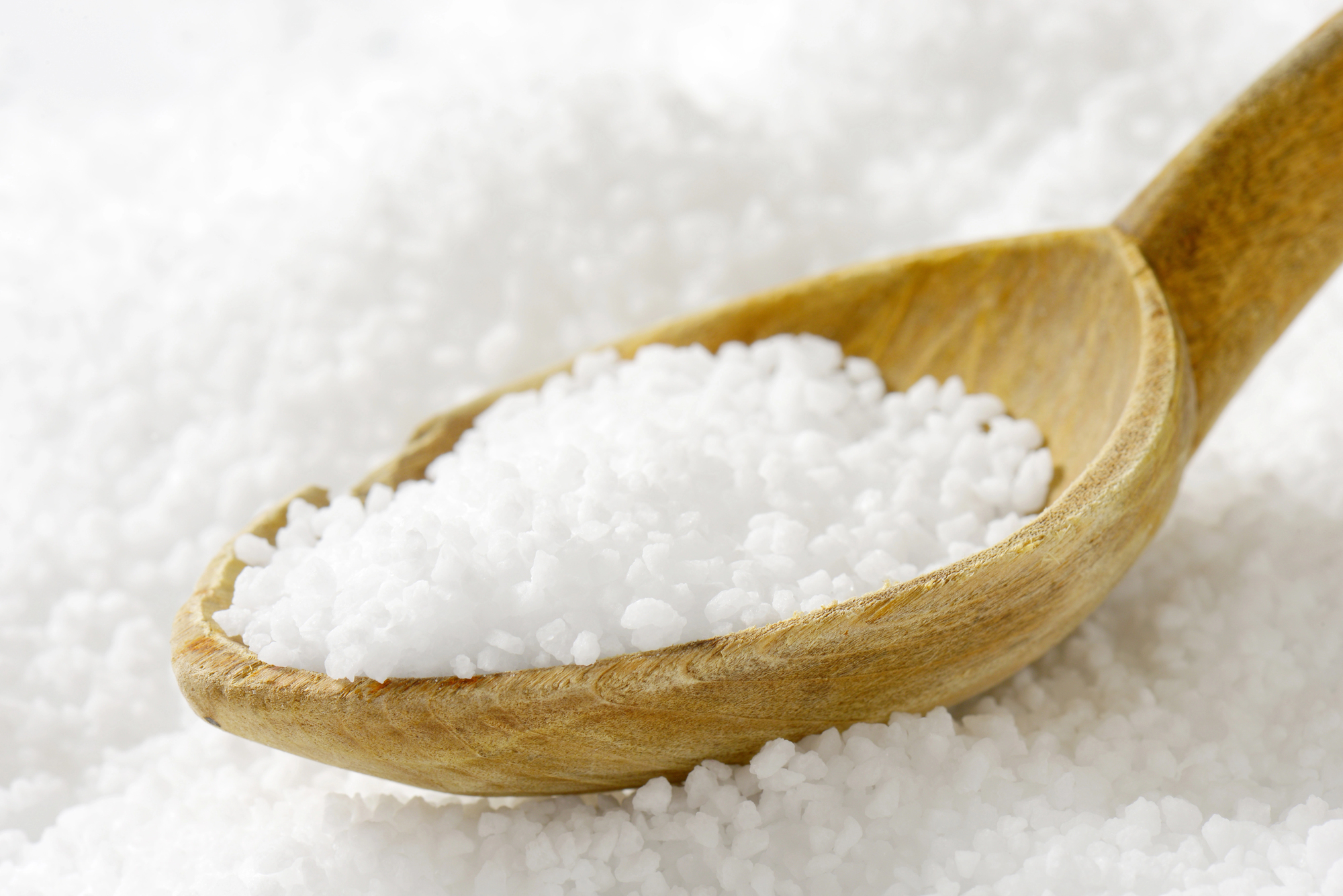
Epsom salt is magnesium sulfate, a simple compound of magnesium, sulfur and oxygen that dissolves readily in water. Both magnesium and sulfur are real plant nutrients, so the idea is not pure invention. The popular claim runs like this: magnesium sits at the centre of every chlorophyll molecule, chlorophyll is the green pigment that drives photosynthesis, therefore adding magnesium makes grass greener. As a piece of biology the first part is true. Each chlorophyll molecule is built around a single magnesium atom, and without magnesium a plant literally cannot manufacture the pigment that makes it green and feeds it.
Magnesium does more than colour the leaf. It helps activate dozens of plant enzymes and plays a part in how the plant moves and uses other nutrients, including nitrogen and phosphorus. Sulfur, the other half of the compound, is a building block of proteins and contributes to green colour as well. So on paper Epsom salt delivers two useful elements. The problem is not the chemistry of what magnesium does. The problem is the unstated assumption that your lawn is short of it in the first place.
The Science: When Magnesium Actually Makes a Difference
Plants need magnesium in much smaller amounts than the headline nutrients. Grass draws heavily on nitrogen, moderately on potassium and phosphorus, and only lightly on magnesium and sulfur. Most established soils already hold enough magnesium to meet that modest demand, which is why turf scientists treat Epsom salt as a niche corrective rather than a general tonic. Apply magnesium to a lawn that already has plenty and the grass cannot use the surplus. The extra simply sits in the soil or washes through with the next heavy rain. There is no bonus green for going above what the plant needs, the same way a person who eats enough iron gets no benefit from swallowing more.
Real magnesium deficiency does exist, and on certain soils it is worth checking for. It shows up most often on light, sandy soils where nutrients leach quickly, on acidic soils, and on lawns that have been heavily fed with potassium, because high potassium can interfere with how roots take up magnesium. The classic visual sign is interveinal yellowing on older, lower leaves: the leaf veins stay green while the tissue between them fades to yellow, and because magnesium is mobile inside the plant the symptoms appear on the oldest growth first as the plant moves its limited supply up to the new leaves. If your lawn shows that pattern, particularly on sandy ground, a magnesium top-up can produce a visible greening because you are correcting a genuine shortfall.
There is also a better tool than Epsom salt for many magnesium-short lawns, and a soil test reveals it. If your soil is both acidic and low in magnesium, which often go together, dolomitic limestone corrects the pH and adds magnesium in one application, fixing the underlying cause rather than just topping up the nutrient. Epsom salt does nothing for pH, so on an acidic lawn it treats a symptom while leaving the acidity that helped cause the shortage. This is exactly the kind of decision a £10 to £20 ($12 to $25) test pays for: it tells you not only whether magnesium is low but which product actually solves your particular soil’s problem.
The only way to know is to measure. A basic soil test, available from garden centres or through a local laboratory, reports your magnesium level alongside pH and the other nutrients. If the result shows adequate or high magnesium, no amount of Epsom salt will green the lawn further, and you have saved yourself the effort. If it shows a deficiency, you now have a precise reason to act rather than a hope.
Why It Will Not Green a Healthy Lawn
When people scatter Epsom salt on an ordinary lawn and report a quick green-up, two things are usually going on. The first is watering. Epsom salt is almost always dissolved and watered in, and a thorough soak alone perks up a dry, heat-stressed lawn within a day or two regardless of what is in the water. The second is expectation: a lawn that has just received attention tends to look better to the person who treated it. Neither effect is the magnesium doing the work, and neither lasts.
The nutrient that actually drives green colour and growth in grass is nitrogen. Nitrogen is the element grass consumes in the largest quantity, it is the engine behind leaf production and deep colour, and it is the reason a proper lawn feed works where Epsom salt does not. A balanced granular feed with a nitrogen-led ratio, something around 12-2-4 or similar applied at the rate on the box, will green a lawn that Epsom salt leaves unchanged, because it supplies the nutrient that was actually limiting. If your lawn is pale and you have not fed it, the answer is almost always nitrogen, not magnesium. Reaching for Epsom salt in that situation treats a deficiency the lawn does not have while ignoring the one it does.
It is worth being clear about the downside too, because the usual defence of the hack is that it cannot hurt. In small amounts that is largely true: magnesium sulfate is mild and unlikely to scorch grass the way a heavy nitrogen feed can. But it is not free of consequence. Adding nutrients a plant does not need wastes money, and the surplus sulfate and magnesium leach into groundwater and waterways, contributing in a small way to nutrient pollution. Pouring fertiliser of any kind onto soil that is already supplied is poor practice, not a harmless one.
If You Want to Try It, Do It Properly
Suppose a soil test has shown a real magnesium shortfall, or you have a sandy lawn with the telltale yellowing and want to test the idea. The sensible approach is a light, measured application rather than the heaped scoops shown in viral videos. A common rate is around 35g per square metre (roughly a level handful per square yard) of granular Epsom salt, scattered evenly and watered in well so it dissolves and reaches the roots rather than sitting on the leaf. Alternatively, dissolve about two tablespoons in 4.5 litres (one gallon) of water and apply that over a couple of square metres. Water thoroughly afterwards either way, both to carry the magnesium down and to avoid any concentrated residue on the blades.
Buy it as plain garden-grade magnesium sulfate rather than scented bath salts, which may contain fragrances and additives you do not want on a lawn. A 25kg bag of garden Epsom salt costs around £34 ($42), enough to treat a large area many times, so cost is not the issue. Give it two to three weeks and judge the result carefully against an untreated strip you leave as a comparison. If the deficient area greens up and the untreated strip does not, you have confirmed the lawn needed magnesium. If both look the same, you have your answer: the lawn never needed it, and your time and money are better spent on a nitrogen-led feed, sensible mowing height, and deep watering, the three things that reliably keep grass thick and green whatever the bag on the shelf promises.