Turf gives you a green lawn the day it is laid; seed gives you a cheaper lawn with deeper roots, if you are willing to wait a few months for it. That is the trade at the heart of the choice. Turf, sometimes called sod, costs several times more and roots slowly at first, while a seeded lawn costs a fraction as much and, given a season, sinks roots deeper than transplanted turf ever does. The right pick comes down to your budget, your timescale and how soon the lawn has to take foot traffic.
The Cost Gap Is Bigger Than It Looks
Seed is the cheapest way to cover ground by a wide margin. Enough grass seed for a 465 square metre (5,000 square foot) lawn runs to around £50 to £85 ($65 to $105), which works out near £0.06 per square foot. The same area in turf costs roughly £950 to £3,250 ($1,250 to $4,250), close to £0.55 per square foot for the turf alone. Scale that down to a typical 50 square metre (540 square foot) front lawn and seed might cost £8 to £12 while turf for the same patch runs to £60 to £120, before delivery.
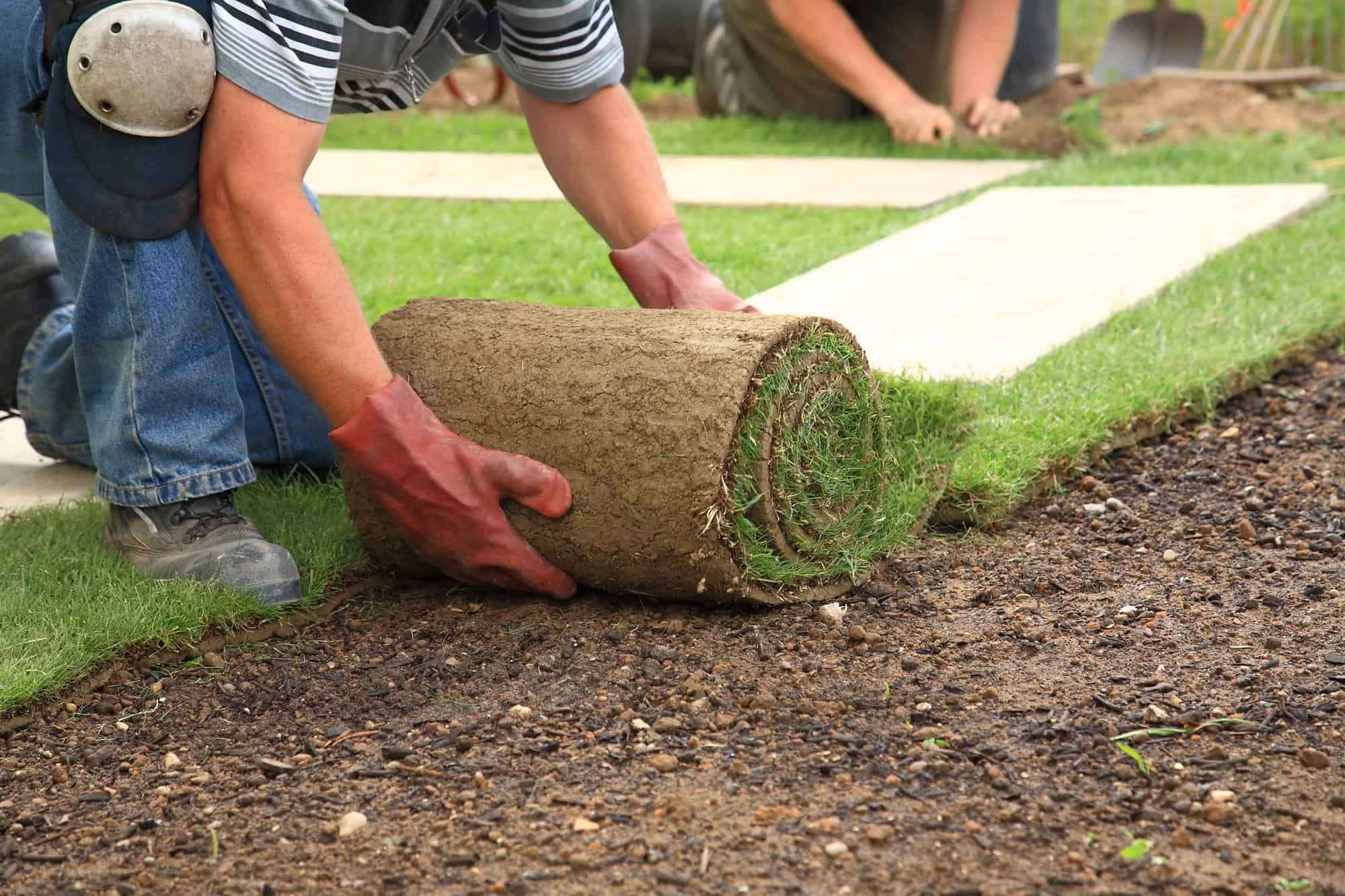
Delivery and labour widen the gap further. Turf is heavy and perishable, sold by the roll and best laid within a day of arriving, so haulage adds up and there is little room to spread the work over a free weekend. A box of seed sits on a shelf until you are ready. For a large area on a tight budget, seed is often the only realistic route; for a small courtyard where the cost difference is modest, the case for turf’s instant result grows stronger.
Speed Versus Strength: What You Trade
Turf buys time. A newly laid turf lawn looks finished at once, puts down shallow anchoring roots within about two weeks, and roots firmly over the following month, so it can take gentle use inside three to four weeks. That instant cover is worth a great deal on a slope, where loose soil would wash away, or in a garden that has to look presentable for a sale or an event.
Seed trades that speed for a stronger root system later. Grass seed germinates in one to three weeks and gives a usable lawn in six to sixteen weeks, with full establishment taking six months to a year. The payoff is underground. A seedling grows its roots directly into your soil with no transplant shock, so it drives them deeper than turf, which has to adapt a root system grown on a different field to your ground. Deeper roots reach water further down, which is why a seeded lawn, once mature, tends to ride out a dry summer better than one laid from turf.
Which One Suits Your Garden
Turf earns its price when speed or stability decide the job. Choose it for a sloping site where seed would wash away in the first downpour, for a garden that needs to look complete quickly, or where children and pets cannot stay off bare soil for months. A dense turf also lands weed free, as the grass arrives thick enough to leave no gaps for weed seeds to take hold in the early weeks.
Seed wins on budget, choice and scale. It comes in a far wider range of mixes, so you can match the grass to shade, heavy wear or a fine ornamental finish rather than taking whatever the turf farm grew. On a large area the saving is hard to argue with. The catch is patience and weed control: a seeded lawn takes months to thicken, and weeds can move into the gaps before the grass closes over, so the first season asks more attention than a turf lawn does.
Overseeding: The Middle Path Between Seed and Turf
Starting from bare ground is not the only choice. If you already have a thin, patchy lawn rather than an empty plot, overseeding lets you thicken it with cheap seed while keeping the cover you have. You mow short, rake hard to expose soil between the existing plants, scatter seed at around 25 to 35 grams per square metre, then keep it damp until it germinates. The existing grass shades and shelters the seedlings, and the new plants fill the gaps that weeds would otherwise claim.
This route carries the low cost of seed without the long wait of starting from scratch, as the lawn stays green throughout. Early autumn is the best window, when warm soil speeds germination and the cooling air eases the stress on young grass. A garden that looks tired rather than dead rarely needs the expense of fresh turf; a bag of seed and an afternoon of raking bring it back for a fraction of the price.
The Costs That Come After the Lawn Goes Down
The price on the pallet or the seed box is only the start. Both methods drink water in their first weeks, and a hosepipe running daily for three weeks on a new turf lawn adds a noticeable amount to a metered bill through a dry spell. Seed asks for lighter but more frequent watering over a longer period, so the total water use of the two ends up closer than it first looks. Budget for the water as part of the job, not an afterthought.
Each method has its own failure to guard against. Turf laid on poorly prepared ground shrinks back at the joints as it dries, leaving visible seams and brown edges that take a full season to knit together, and a pallet left rolled up for two hot days can arrive already yellowing. A seeded lawn faces its risk from weeds and birds: the open soil invites weed seeds and hungry birds before the grass closes over, so a light net or a quick pre seed weeding pays off. Factor in a few basic tools as well, a landscaping rake at around £15 to £25 ($20 to $32) and a roller you can hire for a day, and you have the true cost of either lawn rather than the shelf price alone.
Getting Either One to Take
The groundwork is identical for both. Dig or rotavate the top 15cm (6 inches), clear stones and old roots, firm the soil by treading it evenly, then rake to a fine, level tilth. Skip this and neither seed nor turf will thrive: seed pools and germinates unevenly in hollows, and turf shows every bump and dip once it settles. A light dressing of pre turf or pre seed fertiliser at the rate on the box, usually around 35 grams per square metre, gives roots something to grow into.
After that the two diverge in watering. Fresh turf needs a heavy soak daily for its first two to three weeks so the roots chase moisture down into the soil beneath rather than drying out in the roll. Seed needs the top centimetre kept constantly damp, which can mean a light watering two or three times a day in warm weather, until the seedlings are up and growing. Both establish best in spring or early autumn, when warm soil and cool, moist air push root growth without the stress of summer heat. Match the method to your garden and the season, prepare the ground properly, and either one becomes a lawn that lasts for decades.