
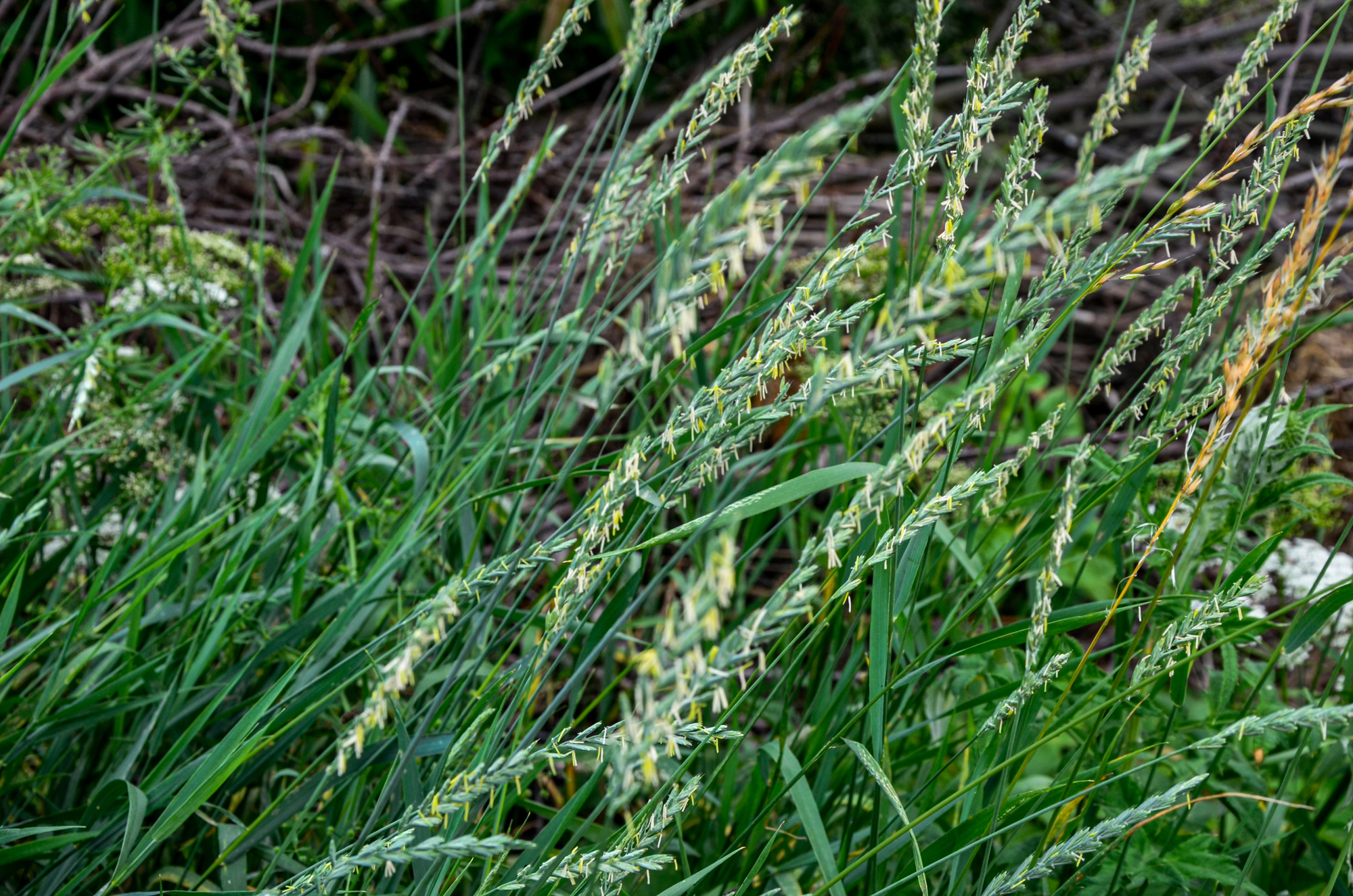
- Coarse grass shows up as pale, shaggy clumps that stand taller than the fine lawn, and the mower skims straight over them; the fix is to weaken and lift the clumps by hand, not to reach for weedkiller.
- Early to mid autumn is the best time to fork the clumps out and reseed the gaps, which gives the finer grass the whole cool season to close over the bare soil before spring.
- Selective lawn weedkillers do nothing to coarse grass and the non-selective kind kills every blade it touches, so the work is all mechanical and costs little more than a bag of seed.
Why the Mower Skims Straight Over the Shaggy Patches
You finish mowing, glance back, and the same pale tufts are standing there as if the blade never reached them. That is coarse grass, and the reason your mower keeps missing it sits in the way the plant grows. The route out is cheap and low tech. Loosen each clump with a fork, lift it out roots and all, drop fresh seed into the gap, and keep the surrounding lawn thick enough to crowd out whatever tries to regrow. No bottle off the shelf will do that work for you.
Timing counts for more than most people expect. The Royal Horticultural Society points to September as a strong month for pulling coarse grasses out by hand, and that logic runs on through early and mid autumn. The soil still holds summer warmth, rain comes more reliably, and fresh grass seed strikes fast in those conditions. Lift the clumps now and the fine grass has the entire cool season to knit across the bare soil, so by spring the repair has melted into the rest of the lawn.
Leave it instead and the clumps widen every year. Each one sets seed below the height your mower can reach, and the thin, open soil left behind after a dry summer gives those seeds an open door. The problem builds quietly until a third of the lawn is a texture you never planted.
What the Clumps Actually Are
Three grasses cause most of the trouble, and telling them apart helps you lift them cleanly. Yorkshire fog is the soft one: grey-green, hairy leaves that feel almost felty between finger and thumb, growing in dense upright clumps that reach 1m (3.5ft) tall if nothing cuts them. It sits in a tight tussock, which makes it the easiest of the three to fork out whole.
Annual meadow grass is the pale, low spreader. It fans out flat from a central point to a spread of about 20cm (8in) and throws up short, whitish seed heads even when you cut it hard. That habit is the heart of the problem. It flowers and seeds below the height of the mower blade all year round, so cutting alone never stops it reproducing.
Couch grass is the creeper. Its stems can top 1m (3.5ft), but the real giveaway is underground: white, pointed roots, called rhizomes, that run sideways and surface again a hand’s width away. Pull at a leaf and you often feel a long runner drag beneath the turf. Miss a short length of that runner and the plant simply starts again.
Why They Took Hold in Your Lawn
Coarse grasses move into weakness. A fine lawn under a long, dry summer thins out, and every bare patch is landing space for seed that blows in or sits waiting in the soil. Annual meadow grass is first through the door, as it colonises open ground fast and seeds within weeks.
Watering habits play their part too. Light sprinkling little and often keeps the top centimetre damp and does the shallow-rooted coarse grasses a favour, while the deep-rooted fine grasses you want go hungry below. The RHS is blunt about this trade-off: frequent shallow watering benefits grasses like annual meadow grass at the expense of the lawn you are trying to keep.
There is a deeper reason the mower cannot win this fight on its own. Fine lawn grasses, the fescues and bents, hold their growing points low to the ground and shrug off close, regular cutting. That is why they tolerate a weekly mow and keep coming back dense. Coarse grasses put their energy into tall stems and wider leaves, so repeated cutting drains them rather than feeds them. Regular mowing with the clippings collected does weaken them over time, but on its own it is slow, and it will not touch seed that sets below the blade. Lifting the clumps by hand is what turns a slow retreat into a clean win.
How to Lift Them Out Without Wrecking the Lawn
Pick a day after rain, or water the area well the evening before, so the ground gives and the roots lift cleanly rather than snapping off. Dry, hard soil tears the clump and leaves the base behind to regrow.
Push a hand fork or border fork in at an angle under the edge of the clump, lever it up, and lift the whole tussock with its roots. A hand fork runs about £6 to £12 (roughly $9 to $17) at B&Q, Wickes, Home Depot or Amazon, and a full border fork about £20 to £35 (roughly $28 to $45); for the odd clump, a kitchen knife worked around the base does the same job. With couch grass, trace each white runner by hand and draw out the full length, as any piece you leave will sprout a fresh plant.
Collect everything you pull. Do not shake the soil back off the roots on the spot, as you will scatter seed and rhizome straight back into the gap you just cleared. The RHS warns against adding runners, rhizomes or coarse grass seed to a home compost bin, where the heap rarely gets hot enough to kill them; bag it for council green waste instead.
Fill the hollow with a little sieved topsoil or a sand and soil mix, firm it with the flat of your hand, and level it with the lawn around it. A 20kg to 25kg bag of topsoil or sharp sand runs about £4 to £6 (roughly $6 to $9). Scatter a fine lawn seed mix of fescues and bents over the bare soil at about 35g per square metre (1oz per square yard), rake it in lightly so the seed sits in contact with the soil, and water it. A 1kg box of quality lawn seed costs about £10 to £16 (roughly $15 to $22) and covers a lot of small repairs. Keep the patch damp for the next two to three weeks while the seed strikes, and the new fine grass will close the gap before the cold sets in.
How to Stop Them Coming Back
Lifting the clumps buys you a clean lawn. Keeping it that way comes down to density, as coarse grasses struggle to get a foothold where the turf is already thick. The single most useful habit is to overseed any thin area every autumn, so there is simply no open soil left for stray seed to land on.
Mow regularly through the growing season and keep the collection box on. Catching the clippings lifts out coarse grass seed heads before they drop, which starves the next generation while the repeated cutting slowly weakens any clump you missed. Leaving clippings down on a lawn with a coarse grass problem does the opposite and feeds the spread.
Feed the lawn in autumn with a potassium and phosphorus feed rather than a summer product heavy in nitrogen. The autumn feed hardens the fine grasses and drives root growth, which is what lets them hold their ground over winter and knit tight by spring; a box runs about £10 to £20 (roughly $13 to $26). A quick nitrogen hit at this time of year pushes soft top growth that disease finds easy to attack.
Change how you water, too. Soak the lawn deeply and less often rather than sprinkling every evening. Deep watering sends the fine grass roots down and leaves the surface drier between soakings, which takes away the constant damp that shallow-rooted coarse grasses rely on. Do all of this and the lawn fills in from every side, the gaps close, and the pale shaggy tufts have nowhere left to start.