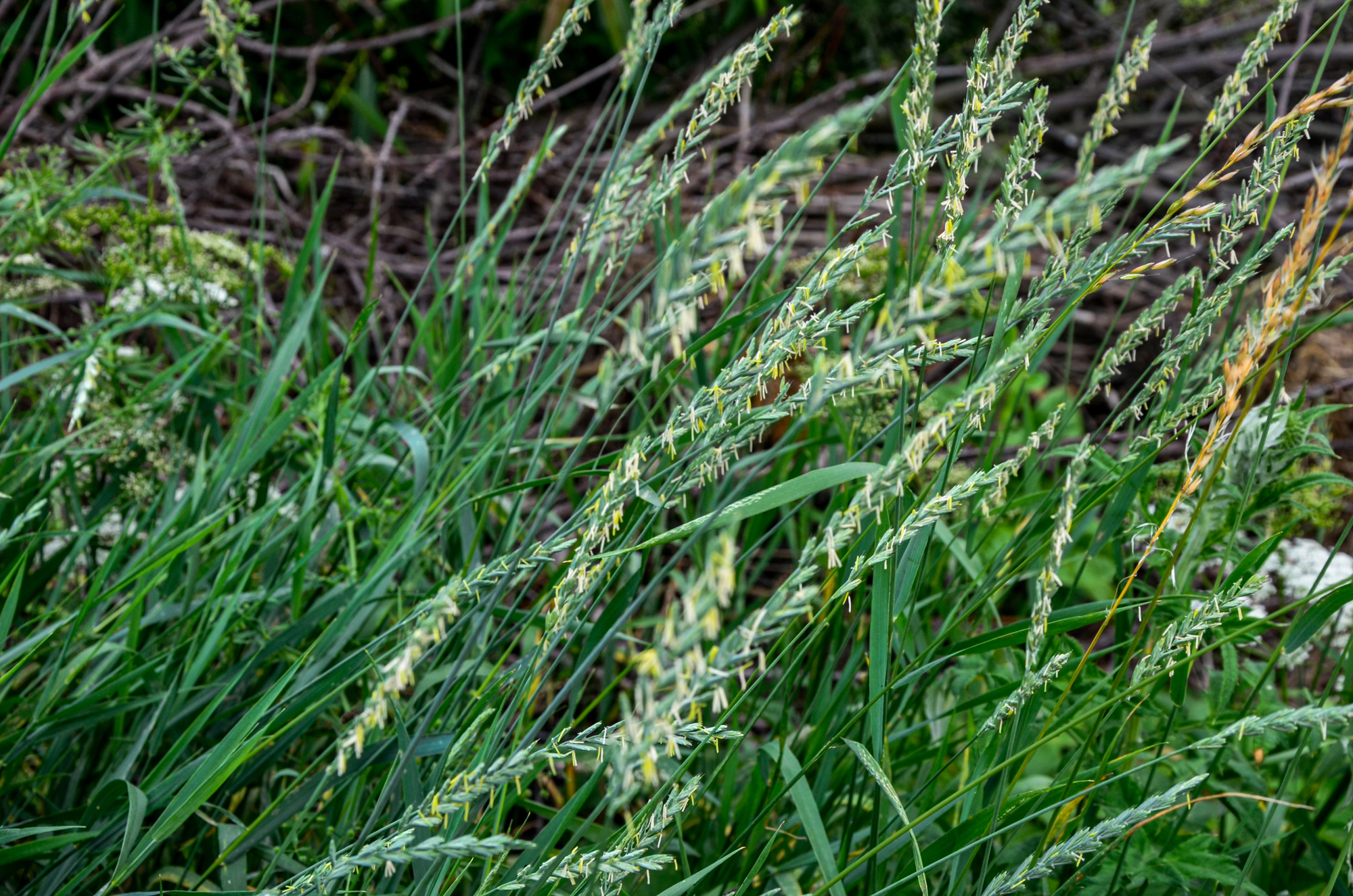
Long grass feels harmless, but a lawn left to grow through the hottest weeks of summer becomes a shelter for ticks and fleas and a source of the pollen that sets off hay fever. Cutting your grass to around 7.5cm (3 inches) and mowing every seven to ten days removes the cool, damp shade these pests need and stops the grass flowering. This one habit protects your family, your pets and your lawn at the same time.
How Tall Grass Turns a Lawn Into Tick Habitat
Ticks climb to the tip of a grass blade and wait with their front legs outstretched, a behaviour called questing. From that perch they grab onto anything that brushes past, whether a dog, a child or an adult crossing the lawn. The taller the blade, the higher a tick can climb and the more likely it is to reach skin at ankle or knee height. Short grass strips away that launch pad and leaves ticks stranded near the soil.
Height also controls moisture, and moisture is what keeps ticks alive. A blacklegged tick loses water through its body wall and dies once the air around it stays dry and warm for long enough. Tall grass casts shade at ground level and traps humidity, giving ticks a cool, moist refuge through a heatwave. Cut the grass to 5 to 7.5cm (2 to 3 inches) and sunlight reaches the soil, air moves freely and ground level humidity falls, which dries ticks out. Health agencies that track tick borne illness estimate close to half a million Lyme disease cases each year, so this is not a small concern for anyone with a garden that borders hedges or woodland.
One detail generic advice skips: roughly 82 percent of ticks on a lawn sit within about 2.7 metres (9 feet) of the edge, where grass meets a hedge, wall or leaf litter. That perimeter, not the open middle of the lawn, is where you want the shortest grass and the cleanest edges. Mowing every seven to ten days through the growing season keeps the whole lawn near 3 inches and denies ticks the tall fringe they depend on.
Fleas Breed in the Same Damp Thatch
Fleas share the tick’s love of shaded, humid ground. Adult fleas ride in on a cat, fox, hedgehog or dog, but the eggs drop off into the lawn, and the larvae that hatch cannot tolerate direct sun. They wriggle down into thatch, the layer of dead stems and roots between the green grass and the soil, where the air stays damp and shaded. A tall, uncut lawn with a thick thatch layer gives flea larvae the exact conditions they need to reach adulthood and climb back onto a passing pet.
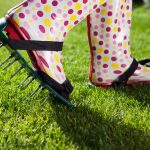
Mowing to 3 inches and clearing thatch break that cycle. When you cut the grass short and rake out the dead layer with a spring tine rake, sunlight reaches the soil surface and dries the top few millimetres, where flea larvae live. A basic spring tine lawn rake costs around £12 to £18 ($15 to $23) at B&Q, Home Depot or most garden centres, and a firm pull across the lawn once a fortnight lifts out enough thatch to keep the surface open and dry. On a large lawn, a powered scarifier does the same job faster.
Ignore the problem and the cost lands indoors. A pet that picks up fleas from the lawn carries them into the house, where the eggs drop into carpets and bedding and hatch into an infestation that can take months of treatment to clear. Keeping the grass short and the thatch thin stops that chain at the source, in the lawn, before the fleas ever reach the door.
Long Grass, Seed Heads and Summer Pollen
Grass is a flowering plant, and when you stop cutting it, it does what every plant tries to do: it produces seed. Through June and July the lawn throws up thin flower stalks topped with seed heads, and those flowers release grass pollen, the single biggest trigger of summer hay fever. A lawn mown short and often almost never flowers, as each cut removes the growing stalks before they can open. Let the same lawn grow and it can coat the air around your garden with pollen for weeks.
Timing and technique cut your exposure. Mow in the early evening rather than mid morning, as pollen counts tend to peak from late morning into the afternoon. If you react to grass pollen, wear a fitted mask (an FFP2 style costs around £1 to £2 / $1.50 to $2.50 each) and rinse your face and hands after mowing. Bagging the clippings rather than leaving them scattered stops cut pollen and drying seed heads sitting on the surface where a breeze can lift them again.
How to Cut Back Safely Without Scalping
If your grass has grown long, resist the urge to drop the mower to its lowest setting and take it all off in one pass. Removing more than a third of the blade length in a single cut starves the grass of the leaf area it uses to make energy, and the lawn responds by thinning and browning, which opens gaps for weeds. The reason is simple plant biology: grass stores little energy in short roots, so a hard scalp forces it to draw on reserves it does not have.
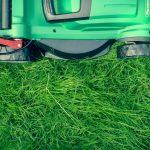
Instead, work down in stages. Set a rotary mower to around 6 to 7.5cm (2.5 to 3 inches) for the first cut, wait three or four days, then lower it to your summer height of about 5cm (2 inches). Bag the clippings on these first cuts, as long, wet clippings left on the lawn form a damp mat that shelters the very pests you are trying to remove. A corded electric mower such as the Bosch Rotak, or a battery model, handles this staged cut well, and both are widely stocked at Screwfix, Amazon and Homebase.
Finish by tackling the perimeter. Cut a clean edge where the lawn meets borders, and lay a strip of gravel or bark chippings, around 90cm (3 feet) wide, between the grass and any hedge or wooded boundary. A 60 litre bag of decorative bark costs around £6 to £9 ($8 to $12), and the dry barrier it creates is one public health guidance recommends specifically to stop ticks crossing from rough ground into the part of the garden your family uses. Keep that boundary strip clear of leaf litter, and you remove the damp, shaded refuge where most of the ticks and fleas gather.
Check Yourself and Your Pets After Mowing
Good lawn care lowers the odds, but no garden is ever entirely tick free, so a quick check after time on the grass is worth the habit. Ticks tend to climb, so look at ankles, behind the knees, the waistband and the hairline after you have been mowing or the children have been playing. Run your hands over the dog and cat too, paying attention to the ears, neck and between the toes where ticks like to attach.
If you find one already biting, lift it straight out with fine tipped tweezers or a tick removal tool, gripping close to the skin and pulling steadily without twisting, then clean the spot. A tool costs around £3 to £5 ($4 to $6) and does the job far more cleanly than fingernails, which can crush the tick and push more of its contents into the bite. Removing a tick within a day of it attaching sharply reduces the chance of it passing on any infection.
Get this wrong and the consequences show up fast: a pet that picks up fleas from the lawn can seed a household infestation that takes months to clear, and a single tick bite can pass on an illness that is far harder to treat than it is to prevent. Get it right, mowing to 3 inches, clearing thatch, cutting before the grass flowers and keeping a clean perimeter, and the same lawn becomes a place that is safe to sit and play on all summer.