- Moss moves into a lawn when shade, damp and compacted soil leave the grass too thin to hold its ground, so scraping off the green layer without changing those conditions just clears space for it to grow straight back.
- Rake or scarify the moss out in October or early November, when the grass is growing hard enough to close the gaps, then aerate and top dress to relieve the compaction underneath.
- Leave the iron sulphate and the vinegar-and-bleach tricks alone; a bacteria-based lawn feed clears moss without staining anything black, and a higher cut with better drainage is what keeps it from returning.
The Moss Is Telling You Something About the Soil
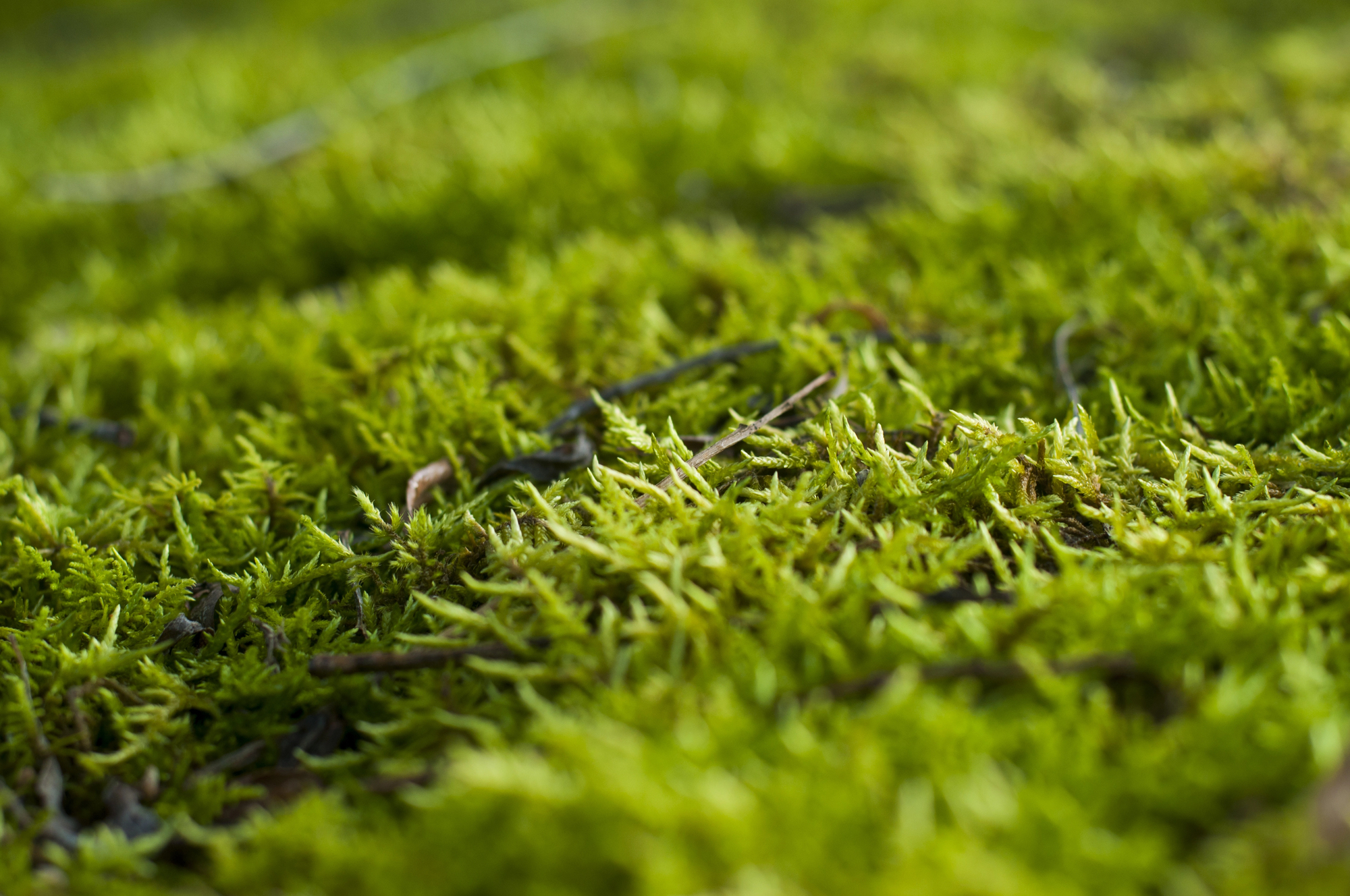
Grab a patch of moss and it lifts away like a damp scrap of carpet. That is the first clue to getting rid of it for good. Moss has no true roots. It grips the surface with tiny threads called rhizoids and nothing deeper, which is why it peels up so easily and why it creeps slowly across thin, worn turf rather than punching through healthy grass. Raking it out feels like the job done. It is only half of it. Clear the green layer in the morning and, if the ground stays cold, wet and shaded, the spores already sitting in the soil start the whole thing again within weeks.
The fix runs in two parts. First, take the moss out by hand or with a rake now, in autumn. Second, and this is the step most people skip, change the conditions that let it beat the grass in the first place. Open up compacted soil, lift the cutting height, cut back overhanging shade and feed the lawn so the grass thickens and crowds the moss out. Do only the first part and you will be raking again next September. Do both and the grass takes the ground back.
Why the Moss Has Moved In
Moss wins where grass gives up. It thrives in shade, in damp or waterlogged ground, on compacted soil and on acidic soil with a low pH. Add worn, bare patches where children play or where feet cross the same line every day, and you have handed it an opening. Grass cut too short weakens and thins, and thin grass is an invitation.
Compaction is the cause people miss most. When soil is squashed hard, the spaces that should hold air fill with water instead. Grass roots need oxygen and a way for water to drain past them; starve them of both and the grass grows shallow and feeble. Moss has no such problem. With only surface-gripping rhizoids to feed, it does not care that the soil below is airless and wet. That is the heart of it: the same ground that suffocates grass roots suits moss perfectly. Sort the soil and you tip the balance back.
Acidity plays a part too. Many lawn mosses prefer soil on the sour side of neutral, roughly below pH 6. A soil pH kit from a garden centre or a builders’ merchant costs about £5 to £10 (around $6 to $13) and settles the question in five minutes. If the reading is low, the grass will always be on the back foot until you raise it, which a light autumn liming can do over a season.
Rake It Out in Autumn, Not Down to Bare Soil
Timing counts more than muscle. The best window to scarify moss out is October or early November, while the grass is still growing strongly enough to knit over the gaps you open. Do it in the depth of winter and the bare patches sit open and cold, ready for more moss or weeds. On a small lawn, or where the moss sits in one corner, a spring-tined rake does the work for about £8 to £18 (around $10 to $23) from B&Q, Wickes, Screwfix, Amazon or the equivalent aisle at Home Depot and Lowe’s. Rake firmly into the moss, working in one direction and then across it, teasing the mat up and out.
Here is the part that saves your lawn. Stop before you tear it down to bare earth. The point is to pull out the moss and the dead thatch tangled with it, not to strip living grass and its roots along the way. Every bald patch you gouge is fresh ground for spores to land on, so a moderate raking that leaves the grass ragged but rooted beats a savage one that leaves soil showing. Expect a surprising heap of brown debris and a scruffy-looking lawn for a fortnight. It thickens fast once the grass fills back in.
For a large lawn, raking by hand turns into a weekend of aching shoulders. A powered scarifier hired for the day runs about £30 to £50 (around $40 to $65), and an electric model to own sits around £60 to £120 (around $75 to $150). Set the blades to skim the surface and take a test strip first; too deep and the machine scalps the turf, which lands you back at bare soil.
Open Up the Soil Underneath
With the moss gone, deal with the compaction that fed it. Aeration is nothing more than punching holes in the lawn so air and water reach the roots. A garden fork does it: drive the tines 10 to 15cm (4 to 6in) into the turf every 10 to 15cm (4 to 6in) and rock it back gently to fracture the soil. For a heavier job, a hollow-tine aerator pulls out plugs of soil and leaves wider channels, and one costs around £20 to £40 (around $25 to $50), or you can hire a powered version. The grass roots respond within weeks to the air and drainage they were missing.
Follow the aeration with a top dressing to keep those channels from closing again. A sandy lawn dressing, brushed into the holes as a thin, even layer you can still see the grass through, improves drainage at the surface where moss takes hold. A 25kg bag covers a small lawn for about £8 to £15 (around $10 to $19). On badly waterlogged ground, no amount of forking will win on its own, and proper drainage is a bigger project worth pricing up before another wet winter arrives.
Stop It Coming Back
This is where the year-round difference is won. Start with the mower. Cutting too low scalps the grass, weakens the plants and thins the sward, and thin grass is exactly what moss waits for. Through autumn, keep the cut on the high side, around 35 to 40mm (roughly 1.5in), and never take off more than a third of the leaf in one pass. Taller grass carries more leaf to feed itself and shades the soil surface, which does the moss no favours.
Next, chase down the shade. Grass needs light and moss tolerates gloom, so prune back overhanging branches and thin out shrubs that throw the lawn into shadow for half the day. Where a spot stays dark no matter what, ordinary lawn seed will keep failing; sow a shade-tolerant grass mix heavy on fescues instead, sold for about £10 to £20 (around $13 to $25) a box, and give the grass a fighting chance.
Then feed the lawn so the grass out-competes the moss on its own. A bacteria-based lawn feed does two jobs at once: it feeds the grass and its bacteria digest the moss, so there is no black dead mat to rake up afterwards and no staining on paths or stone. A well-known example covers roughly 35 square metres from a 3.5kg bag for about £12 to £15 (around $15 to $19), or 200 square metres from a 20kg bag for about £32 to £50 (around $40 to $63). Thick, dense grass is the only thing that keeps moss out for the long run.
What to Leave in the Shed
Reach for the sulphate of iron sold as a lawn tonic and you buy yourself extra work. Iron sulphate does blacken and kill moss, but it leaves a mat of dead black moss you still have to rake out, and it stains slabs and paving a rusty brown if it strays off the grass. If you want a chemical route, use only a proper approved lawn mosskiller with printed rates and timings, not raw sulphate splashed on by eye. Even then, it is a short-term knock-down, not a cure.
Ignore the internet tricks too. Baking soda, vinegar, bleach and washing-up liquid all get passed around as moss cures, and all of them kill grass as readily as moss, act as broad insecticides on the soil life you want to keep, and none is an approved lawn treatment. You would be trading a green problem for a brown one.
One honest caveat. No product kills moss for ever, and control is always temporary unless the shade, damp and compaction change. If the mossy patch sits in deep shade under trees on ground that never dries, the grass will fight a losing battle whatever you throw at it. In that spot, the calmer answer is to let the moss stay as a soft, low, evergreen cover you never have to mow, or to plant shade-loving ground cover and stop pretending it wants to be lawn. Everywhere else, take the moss out now, open the soil, raise the cut and feed the grass, and next spring the lawn comes back thick enough to hold its own.