
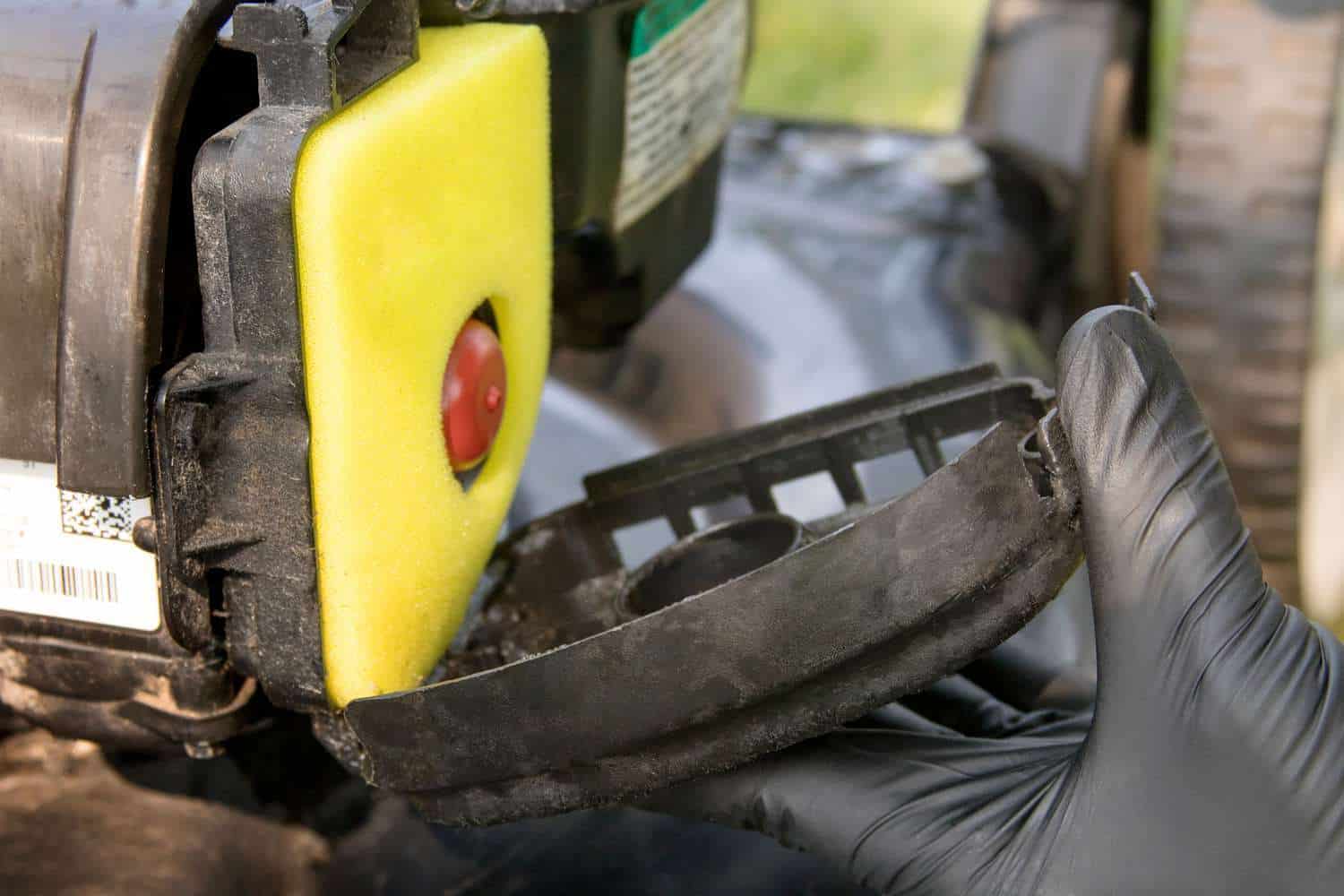
- Old oil turns thin, dirty and acidic over a season, and left to sit all winter it lets bare metal parts grind and corrode, which is how a cheap engine turns into a scrapped one.
- Draining and refilling takes about half an hour, one quart of small-engine oil at £4 to £12 ($5 to $12), and no special skill beyond tipping the mower the right way.
- Do it now, before the mower goes away for winter, so the engine sits on clean oil for the months it stands idle instead of on the sludge that does the damage.
The half-hour job that decides whether your mower starts next spring
Nobody looks forward to lawn mower maintenance, and the oil change is the one most people put off longest. Skip it, though, and the bill arrives later: worn bearings, a scored cylinder, hard starting, grey smoke, and in the worst case a seized engine that costs more to fix than the mower is worth. A push mower engine holds well under a quart of oil, and swapping it out takes about thirty minutes with tools you already own. Done before the machine goes into the shed for winter, it is the single cheapest thing you can do to make the mower start first pull in spring.
The fix is the same whether your mower sputters, smokes a little, or runs fine but has not had fresh oil in a year or more. Drain the old oil, put the right new oil back in, and the engine is protected through the cold months. Here is how to know it is due, what to pour in, and how to do the swap without making a mess of it.
What old oil does to an engine left to sit over winter
Oil has one job in a small engine: it keeps a thin film between metal parts that are spinning and sliding against each other thousands of times a minute. A mower runs hot, and heat, combustion by-products and moisture all break the oil down over a season. It grows thicker with soot in some spots and thinner where fuel has crept past the piston, it turns acidic, and it stops carrying that protective film. Once the film fails, metal touches metal, and every start after that grinds away at bearings and the cylinder wall.
Leaving that tired, acidic oil in the sump all winter is the part that catches people out. For five or six months the engine stands still with dirty oil settling around the internals, and the acids in it quietly pit and corrode bare metal the whole time. Come spring the mower turns over on already-worn parts coated in sludge. Change the oil in autumn instead and the engine rests on a clean, stable film that protects it while it waits. As Rick Lemelin of a small engine repair shop puts it, fresh oil “cleans out anything that might come loose” and leaves nothing behind to do harm.
How to tell your mower is due for a change
The rule of thumb from small engine repairers is simple. A push mower wants fresh oil at least once a season, or every 50 hours of running, whichever comes first. A ride-on mower goes about 100 hours or once a season. A brand new mower is the exception: change its oil after roughly the first five hours of use, as the moving parts are still bedding in and the first oil picks up the fine metal that wears off while they do.
Between changes, pull the dipstick and look at the oil on the end. Fresh oil is clear and amber. Oil that is due looks dark brown or black, feels gritty if you rub it between finger and thumb, and can smell burnt. If you cannot recall the last time it was changed, it is overdue. For most gardeners, hooking the oil change to the end of the cutting season is the easiest way to remember it: the mower is dirty, the work is done, and it is about to sit idle for months, so that is the moment to send it into storage on clean oil.
Which oil to put in, and which to keep well away
Use an oil made for small engines, an SAE 30 single-grade or a 5W-30 or 10W-30, and check the mower handbook for the exact one your engine calls for. A single-grade SAE 30 suits an engine that only runs in above-freezing weather, which covers most mowers. The 5W-30 and 10W-30 grades cope with a wider range of temperatures and are the safer pick if you ever cut in the cold. A quart, enough for a full change with a little spare, runs about £4 to £12 ($5 to $12) at Halfords, Screwfix, B&Q, Amazon, Home Depot or Lowe’s.
The mistake that quietly wears engines out is pouring in leftover car oil. Modern multi-grade automotive oil carries additives and friction modifiers built for a car engine, and they wear down a small air-cooled engine rather than protect it. Repairers see the result often enough to warn against it flatly. Spend a couple of pounds more on a semi-synthetic small-engine oil and you have the best of it. In the words of repairer Mike Czepiel, it is “a little more expensive, but it’s cheaper than a new engine.” Beyond that, the pros agree there is no real gain from the priciest bottle on the shelf. A mid-range small-engine oil of the right grade is all the machine wants.
How to drain and refill it step by step
Set aside about half an hour and work on a level surface. Run the mower for two or three minutes first, then stop it: warm oil is thinner and carries more of the dirt out with it as it drains.
Start with safety. Pull the spark plug lead off the plug so the engine cannot fire while you tip it, and on a battery or key-start mower take the key or battery out too. Next, seal the fuel: lift off the petrol cap, stretch a plastic bag over the opening, and screw the cap back down over it so nothing leaks when the mower goes on its side. Now drain. If the engine has a drain plug underneath, unscrew it and let the oil run into a pan, then set the mower back on its wheels and refit the plug. If there is no plug, remove the dipstick and tip the mower so it drains out of the filler tube into your pan, and here the direction is what counts: tip it with the air filter and carburettor pointing up, not down, or oil floods the filter and you swap one job for two. Pour the used oil into an old plastic bottle or milk jug and take it to a recycling point. Never tip it down a drain or onto the ground.
Refill through the filler hole with fresh oil, a little at a time. Most push mower engines take around 590ml (20 fluid ounces, about five-eighths of a quart), but the handbook figure for your engine is the one to trust. Add most of it, wait a moment for it to settle, then check the level on the dipstick and top up in small amounts to the full mark. Do not overfill: too much oil is forced past the seals, burns off as blue smoke, and can foul the plug, so stopping at the full line counts as much as not running it dry. Wipe up any spills, refit the dipstick, reconnect the spark plug lead, and the job is done.
What else to do while the engine is cold, and when to hand it over
You already have the mower on the bench, so a few small jobs cost nothing extra and finish the winter prep. Scrape the caked grass off the underside of the deck before it traps damp against the metal and rusts it. Wash the sponge pre-filter in warm soapy water and let it dry, and fit a fresh paper air filter if the old one is grey, a filter being £5 to £12 ($6 to $15). A repairer’s line worth remembering is to sharpen and balance the blade two or three times a year, so the end of the season is a natural point to take it off for a sharpen. Draining or stabilising the old petrol, rather than leaving it to turn to varnish in the carburettor, is the other job that saves a spring headache.
Some problems, though, are past an oil change. If the oil you drain looks milky or has a mayonnaise-like sludge in it, water has got into the engine and it needs a proper look. If it is thick and black with metal glinting in it, or the engine was knocking or burning oil heavily before you stopped, the wear is already done and a service is the honest call. A small engine tune-up at a shop runs about £50 to £70 ($70 to $90), still far less than a new mower. For a machine that runs cleanly and just wants its yearly oil, though, this is a half-hour job you never need to pay anyone for.