If your lawn has slowed almost to a standstill since the warm, dry weather arrived, the grass is not failing. It is protecting itself. Most garden lawns are built from cool-season grasses such as perennial ryegrass, the fescues and bent, and these species do the bulk of their growing in cool, moist conditions. Once daytime heat climbs and the soil dries, they deliberately throttle back. The most useful response is to stop pushing the lawn: raise the cutting height, mow less often, hold off on nitrogen feed, and water deeply but rarely. Once you understand what is happening below the surface, a static, dull-looking lawn in midsummer becomes something you can manage instead of worry about.
The temperature where cool-season grass shifts into survival mode
Cool-season grasses put on their fastest leaf and shoot growth when daytime air temperatures sit between roughly 15 and 24 degrees C (60 to 75 degrees F), with night temperatures in the low to mid teens C (mid 50s F). Turf scientists at Oregon State University describe these grasses as doing most of their growing in spring and autumn, then taking a break through the hottest part of summer before growing again as conditions cool. That break is not laziness. It is a built-in defence.
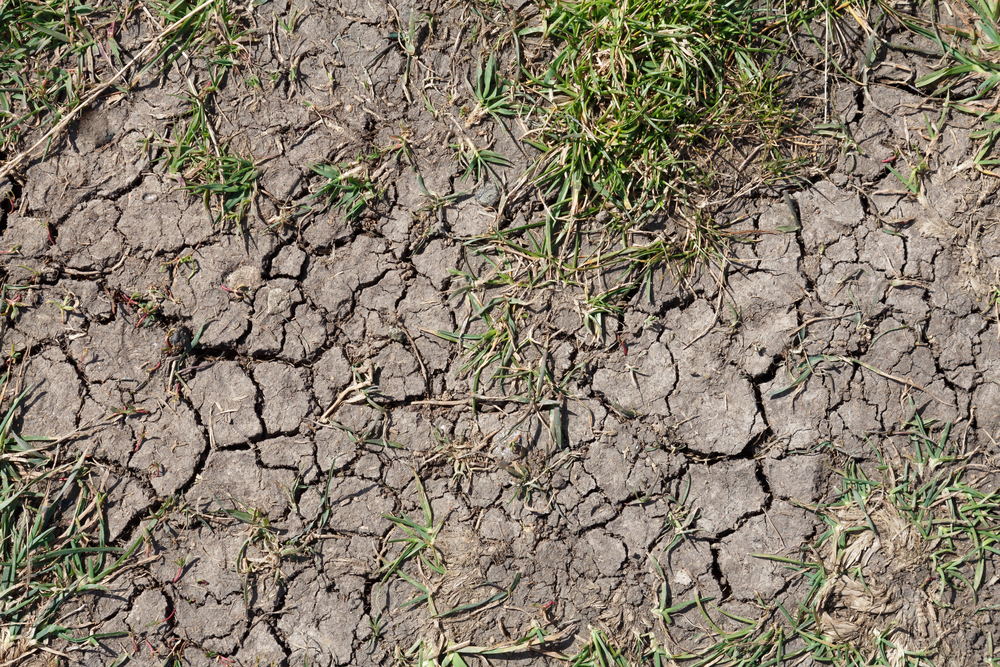
As air temperatures push past about 24 to 26 degrees C (75 to 79 degrees F), the rate of leaf growth begins to fall away. Once the thermometer reaches around 30 degrees C (86 degrees F) and the surface soil dries, the plant slows almost to a halt and may slip into a state often called summer dormancy. Growth stops, older leaves yellow and die back, and in severe spells the whole sward can turn straw-coloured. Importantly, the growing points sit at the base of the plant in the crown, close to or just below soil level, and these usually stay alive even when the leaf blades look dead. That is why a brown midsummer lawn so often greens up again within a fortnight of decent rain.
Soil temperature drives this more than air temperature alone. A lawn in full sun on a free-draining sandy soil will reach the stress threshold days earlier than a lawn on heavier, moisture-holding ground or one shaded for part of the day. This is also why the sunniest, most exposed strip of a lawn browns first while a north-facing section stays green: the two areas are living at different temperatures.
Why growth halts: photosynthesis, respiration and the energy account
Every grass plant runs two opposing processes. Photosynthesis in the leaf builds sugars using light, and respiration burns those sugars to power growth and repair. Photosynthesis works most efficiently within that 15 to 24 degree C band. Respiration, by contrast, keeps speeding up as it gets hotter. When heat climbs into the high 20s and 30s C, the plant is burning sugar faster than the leaf can make it. The energy account tips into the red.
Faced with that deficit, the grass makes a sensible decision. It stops producing new leaf, because new leaf would cost more energy than it could earn back in the heat. It draws down the carbohydrate reserves stored in the crown and roots to keep the essential tissues alive, and it may shed older leaves to cut its running costs. Add drought to the heat and the plant also closes the tiny pores on its leaves to save water, which throttles photosynthesis further. The result is a lawn that has effectively put itself on standby. Knowing this changes how you treat it, because anything that forces the plant to spend more of its dwindling reserves works against you.
What to change in your routine while the lawn idles
Start with the mower. Raise the cutting height to around 6 to 8cm (2.5 to 3 inches) for the summer. Longer blades shade the soil surface, slowing evaporation and keeping the root zone cooler, and they give the plant more leaf area to feed itself with what little growth it can manage. Stick to the one-third rule: never remove more than a third of the blade length in a single cut. Because growth is slow, you will mow far less often, perhaps once every ten to fourteen days rather than twice a week, and that is exactly right. A sharp blade is worth more now than ever, because a blunt blade tears the leaf tips, and those ragged wounds lose moisture and brown off quickly in the heat. If you have not touched the blade since spring, our guide on choosing and maintaining a mower covers sharpening.
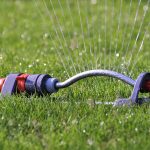
Water deeply and rarely rather than little and often. A single soaking of around 20 to 25mm (about 1 inch) once a week encourages roots to follow the moisture down, which builds a deeper, more heat-resilient root system. Frequent light sprinklings do the opposite, keeping roots shallow and dependent. Stand an empty tuna tin on the lawn to measure how long your sprinkler takes to deliver that inch, then water in the early morning so less is lost to evaporation. Our piece on deep watering through dry weeks goes into the technique in detail.
If colour is your main concern, reach for iron rather than nitrogen. Iron sulphate (also sold as ferrous sulphate) deepens the green without forcing a flush of soft new growth the plant cannot afford. A bag costs around 12 pounds (about 15 dollars) for enough to treat a typical lawn several times over, dissolved at the rate on the pack and applied with a watering can on a dull day. For lawns where water seems to run off the surface or sit in dry pockets, a liquid soil wetting agent, roughly 15 pounds (about 19 dollars) for a litre of concentrate, helps moisture soak in evenly rather than beading off baked, water-repellent ground.
One more habit pays off now: leave the renovation jobs alone until autumn. Scarifying, aerating with a machine and overseeding all tear at a lawn and ask it to put on fresh growth, and a heat-stressed sward simply does not have the energy to repair that damage in midsummer. New seed sown into hot, dry soil also struggles to germinate and dries out between waterings. Note the bare or thin spots now, then tackle them in September when cooler, moister conditions let the grass recover quickly. Through the heat, the most productive thing you can do is often the least: keep off it, keep it watered, and keep the mower high.
The mistakes that turn a dormant lawn into a dead one
The single most damaging error is feeding a high-nitrogen lawn fertiliser during a hot, dry spell. Granular feeds are salts, and salt draws water out of plant tissue by osmosis. Spread on a stressed, dry lawn, the granules pull moisture from the grass roots and can scorch the sward brown within days, leaving yellow streaks wherever the spreader overlapped. Nitrogen also pushes the plant to make new leaf at the precise moment it has no spare energy to do so. Save the feed for autumn, or for a cool, wet week, and water it in.
Scalping is the next trap. Cutting short in the belief that you will need to mow less often removes the leaf area the plant relies on and exposes the soil to the sun, which dries and bakes faster. Short lawns brown off weeks before longer ones in the same garden. Walking and playing on a dormant lawn does damage too: when grass is so dry that footprints stay pressed in instead of springing back, the brittle crowns can be crushed and killed underfoot, leaving worn tracks that do not recover even when the rain returns. Keep traffic off the worst-affected areas until growth resumes.
Finally, resist the urge to apply lawn weedkiller in the heat. Selective herbicides work best on actively growing plants, so they are far less effective on dormant grass and weeds, and the chemical stress on top of heat stress can damage the lawn further. Wait for cooler, moister conditions. If you do nothing else this summer, raise the mower, water deeply once a week, and leave the feed and the chemicals in the shed. The grass knows how to wait out the heat. Your job is simply to avoid making its job harder.