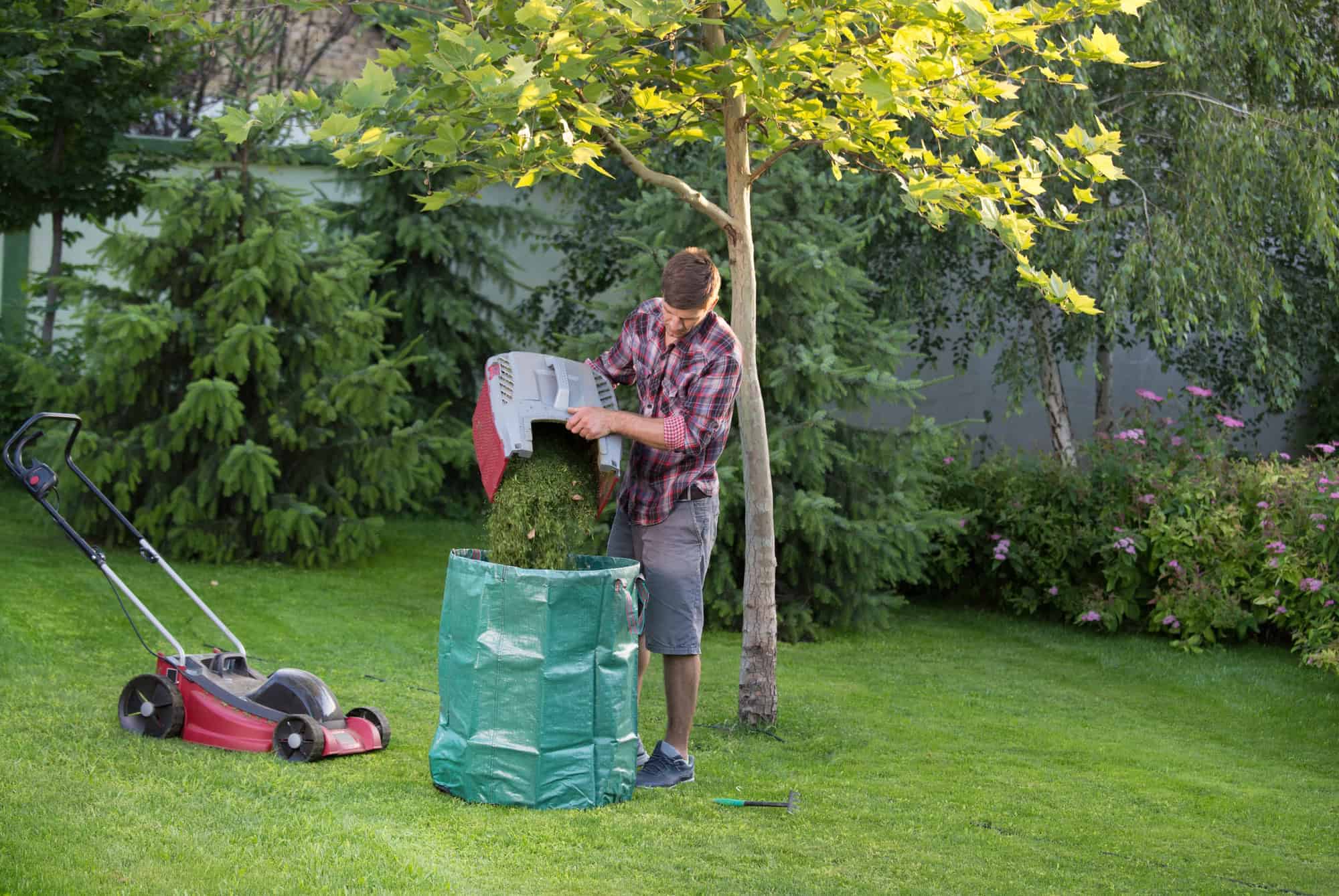
The next time you mow in a dry spell, stop emptying the grass box. Leaving the clippings on the lawn, a practice called grasscycling or mulch mowing, is one of the simplest ways to help grass through a hot summer, and it saves you the trips to the compost heap as a bonus. Fine clippings left on the surface shade the soil, slow evaporation, and feed the lawn as they break down. Done correctly, with the grass cut little and often, the clippings vanish within a couple of days and the lawn looks better, not worse. The single rule that makes it work is to cut frequently so the clippings are short.
Why Clippings Help in Dry Weather
Grass clippings are mostly water. Fresh cuttings are 80 to 85 percent water by weight, so when they fall back onto the lawn they release that moisture into the soil surface rather than carting it off to the bin. More usefully, the thin layer they form acts as a living mulch, shading the soil from direct sun, lowering its temperature, and cutting the rate at which water evaporates from the surface. Studies of grasscycling put the reduction in surface evaporation at up to around 25 percent, which in a dry July is the difference between a lawn that holds its colour and one that browns off.
That shading effect works the same way as the height of cut: anything that keeps the sun off bare soil keeps the moisture in. A lawn that is cut high and left to mulch its own clippings is far better armoured against drought than one scalped short and raked clean, where the exposed soil bakes and cracks. If you are also fighting dry, free-draining ground, the same logic underpins our advice on summer soil care: protect the surface and feed the soil life that holds water.
The Free Feed You Are Throwing Away
Beyond moisture, clippings are a genuine fertiliser. Grass leaves are rich in nitrogen, with potassium and phosphorus too, and when they decompose on the lawn they return those nutrients to the soil. Over a season, leaving the clippings can return as much as 30 percent of the nitrogen your lawn needs, a slow-release, organic feed delivered free every time you mow. That can cut your fertiliser use by roughly a third, and because it is released gradually as the clippings rot, there is no risk of the scorch that comes from a heavy dose of granular feed in hot weather.
The clippings also feed the soil itself, not just the grass. As they break down they add organic matter and become food for earthworms and the soil microbes that build good structure. A lawn that is grasscycled for a few seasons develops a darker, springier, more moisture-retentive soil than one stripped of its clippings, which compounds the drought resistance year on year. You are, in effect, composting in place, with the lawn doing the work.
The Thatch Myth, and When Mulching Goes Wrong
The usual objection is that leaving clippings causes thatch, the spongy layer of dead material that builds up at the base of a lawn. Research has shown this is not true. Thatch is made of tough, slow-to-rot stems, roots and runners, not soft leaf clippings. Clippings shorter than about 2.5cm (1 inch) are mostly water and break down within days, slipping down to the soil and disappearing well before they could accumulate. Grasscycling does not build thatch; neglecting aeration and over-feeding do.
Mulching does go wrong in two situations, and both come down to clippings being too long. The first is cutting wet grass: once moisture content climbs above about 20 percent, the clippings clump and mat into wet clods that smother the grass and look terrible, so always mulch a dry lawn. The second is letting the grass grow long and then mowing it: long clippings sit on top of the sward, block light, and take far longer to break down, leaving rows of drying hay across the lawn. The fix for both is to cut little and often, never removing more than a third of the blade in one pass, so each cut produces only a light scattering of short clippings.
Will It Attract Pests or Look Untidy?
Two worries put people off grasscycling, and neither holds up when the clippings are short. The first is appearance. A lawn cut little and often, with only a fine scatter of clippings, looks no different an hour after mowing, because the short cuttings drop straight through to the soil rather than sitting on top. The hayed, untidy look people picture comes only from mowing long grass and dumping long clippings on the surface, which is the one thing this method avoids. Brush or lightly rake any visible clumps back into the sward and they disappear by the next day.
The second worry is pests and slime. Short clippings break down too fast to feed rats or attract flies, and they do not create the damp, rotting mat that draws problems; that comes from thick layers of long, wet grass left to ferment. The fine, dry clippings from a regular cut are gone before anything could move in. Worms pull the residue down into the soil within days, which is exactly the soil-building you want. The only material worth removing is the clippings from a diseased or seeding lawn, covered below.
It is worth saying that grasscycling suits every grass type found in a domestic lawn, from hard-wearing ryegrass to fine fescue and bent, and it works on lawns of any size. On a large lawn the saving is greater still, because you skip the repeated stops to empty a full grass box and the disposal that follows. The only adjustment for different lawns is frequency: faster-growing ryegrass mixes may need cutting twice a week in peak growth to keep the clippings short, while a slower fine lawn needs it less often.
How to Mulch Your Clippings Properly
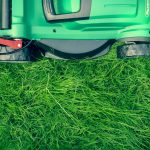
You do not necessarily need a special machine. Many rotary mowers can mulch simply by removing the grass box and fitting a mulching plug, a blanking plate that closes the discharge so the clippings are recut under the deck until they are fine enough to fall into the sward. A mulching plug or conversion kit costs around £15 to £30 ($19 to $37) from B&Q, Screwfix, Amazon or the mower maker, and dedicated mulching blades, which have extra cutting edges and a curved profile to keep the clippings circulating, are a similar price. A purpose-built mulching mower does the same job with a sealed deck designed for it.
Whatever the machine, the method is the same. Mow only when the grass is dry, keep the blade sharp so it cuts cleanly rather than tearing, and mow often enough that you are taking just the top off each time. In the fast growth of late spring that may mean twice a week; in the slower growth of a dry midsummer, once a week or less. If you have left the lawn too long, cut it in stages over several days rather than taking it all off in one go, or collect that first long cut and start mulching once the grass is back to a regular height. Our guide to cutting an overgrown lawn covers that recovery cut in detail.
There are a couple of times to switch back to collecting. Bag the clippings when the lawn is diseased, as with red thread, so you do not spread the fungus, and collect the first cuttings if the lawn has gone to seed and you do not want it self-seeding into borders. The rest of the time, and especially through a dry summer, the clippings are worth more on the lawn than in the bin. Leave them where they fall, keep the cut high and frequent, and you give the grass free water, free feed and free shade every time you mow.