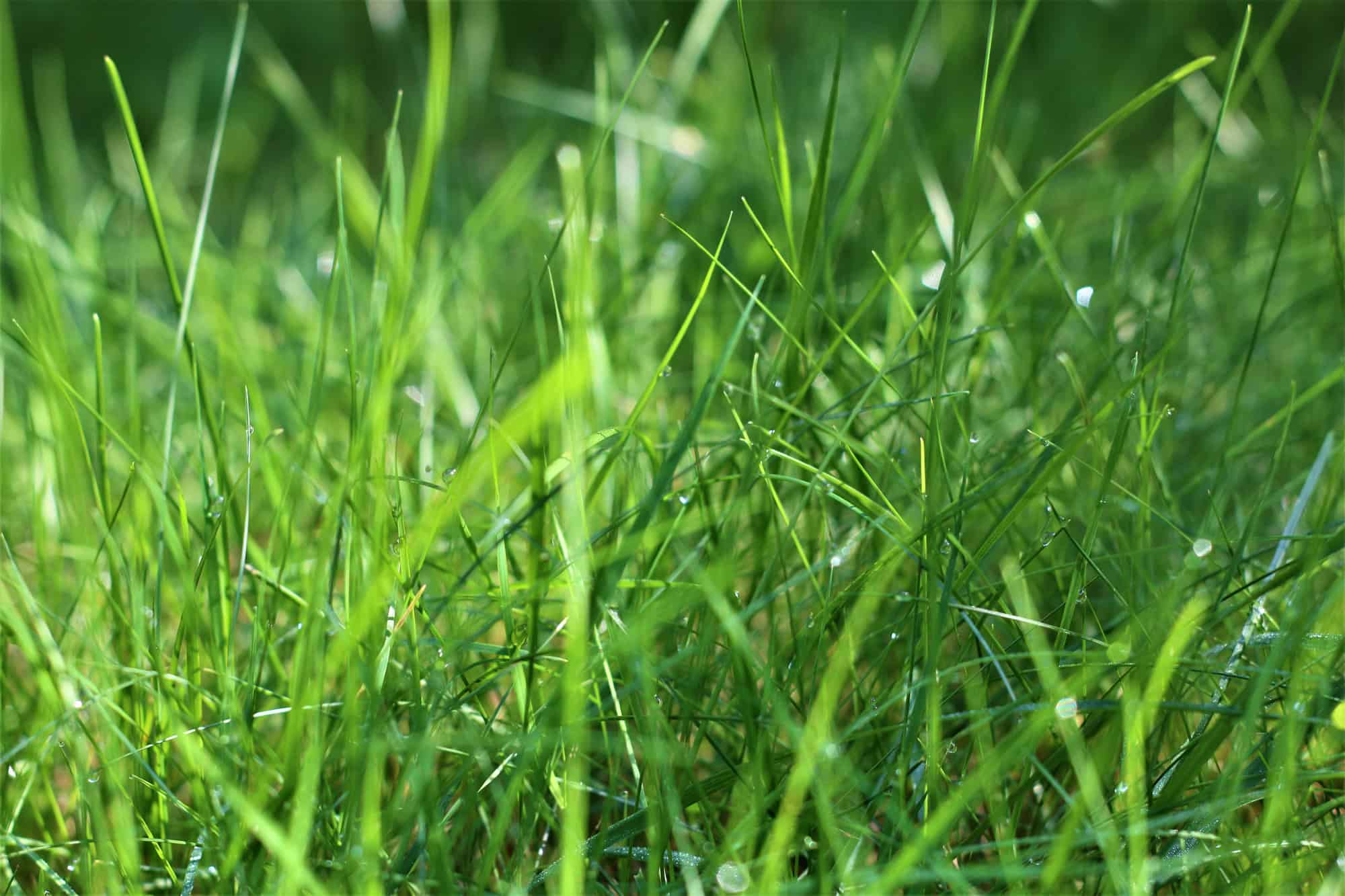
If you only change one thing about your lawn care this summer, make it the height of your cut. Raising the mower by a couple of centimetres does more to keep grass green through a hot, dry spell than any amount of watering, and it costs nothing. Through the warmest months, aim to cut cool-season grasses (ryegrass, fescue, bent and meadow grass) to between 7.5cm and 10cm (3 to 4 inches), and warm-season grasses such as bermuda and zoysia to around 5cm to 6.5cm (2 to 2.5 inches). The taller you leave the grass within that range, the longer it stays green when rain stops.
The Number to Set Your Mower To
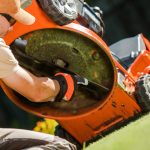
Most rotary mowers use numbered height settings rather than millimetres, so it helps to measure once. Set the mower on a hard flat surface, then measure from the ground to the bottom edge of the blade or the cutting deck. For a typical family lawn of fescue and ryegrass, position three or four on a Flymo, Mountfield or Bosch rotary usually lands somewhere between 5cm and 7cm, and you want the higher end in summer. If your mower tops out around 6cm, use the highest setting it has from June onward and accept that this is the right call for the season rather than a compromise.
Cylinder mowers, the type that produce a fine striped finish, generally cut lower than rotary machines and are built for ornamental lawns kept at 1cm to 2.5cm. If you run a cylinder mower on a fine lawn, raise it to the top of its range in summer, around 2cm to 2.5cm (about 1 inch), and switch to less frequent cutting. A fine lawn held too short in July will brown faster than a utility lawn, because the shallow-rooted bent and fescue blends used for ornamental turf have less reserve to draw on.
The single rule that ties this together is the one-third rule: never remove more than a third of the total blade length in one pass. If your grass is 9cm tall, cut it back to 6cm, not 4cm. Removing more than a third in a single cut shocks the plant and triggers the exact stress response you are trying to avoid in hot weather.
Why Taller Grass Survives a Dry Spell
The reason height beats watering comes down to roots and shade. Grass roots tend to grow in proportion to the leaf above them. A blade cut to 8cm supports a deeper, denser root system than the same plant scalped to 3cm, and deeper roots reach moisture that sits lower in the soil profile, well below the top few centimetres that bake dry first. When a short-cut lawn runs out of water, it has nothing in reserve. A taller lawn is still drawing on moisture at 10cm or 15cm down.
Height also shades the soil surface. Longer blades lying at a slight angle form a canopy that keeps direct sun off the ground, lowering soil temperature by several degrees and slowing evaporation. Cooler, damper soil holds onto what little water it has and stays hospitable to the roots and soil microbes that keep turf alive. Cut the same lawn to 3cm and you expose bare soil between the plants, which heats up, dries out and cracks, and the gaps it leaves are exactly where weeds such as clover and annual meadow grass move in.
There is a third benefit that few articles mention: cutting height changes how a lawn copes with fungal disease. Turf cut too short in warm, humid weather is more prone to problems because the plants are weaker and the sward stays damp. Keeping the cut high through summer is one of the cheapest forms of disease prevention you have. For more on timing your cut around the heat, see our guide to the best time of day to mow your lawn during a hot summer.
How to Raise the Cut Without Scalping
If your lawn has been cut short all spring, do not jump straight to the summer height in one go, and do not let it grow long and then chop it back. Both stress the grass. Instead, raise the height gradually over two or three cuts, lifting the deck one setting each time and mowing every four or five days until you reach the summer height. This lets the grass adjust and thicken rather than yellowing where shaded lower stems are suddenly exposed to full sun.
A sharp blade is part of getting this right. A blunt rotary blade tears the grass rather than slicing it, leaving a ragged, whitish edge on each cut tip that loses moisture and can turn the whole lawn a pale, hazy colour a day after mowing. Sharpen or replace the blade at least once a season. A replacement rotary blade for most domestic mowers costs around £12 to £20 ($15 to $25) from B&Q, Screwfix, Home Depot, Amazon or the mower manufacturer, and fitting it takes ten minutes with a single bolt.
Mow only when the grass is dry. Wet grass clumps, blocks the deck, cuts unevenly and spreads disease. In high summer the lawn is usually dry by mid-morning. Cutting in the cool of early evening is gentler on the plant than mowing in the full heat of early afternoon, when the freshly cut tips can scorch before they seal.
The Feeding and Watering That Backs It Up
Height does most of the work, but a gentle summer feed helps the lawn hold its colour without forcing soft growth. Avoid the high-nitrogen spring feeds now, because pushing fast leaf growth in a dry spell is the quickest way to scorch a lawn. Reach instead for a balanced, slow-release summer feed such as Westland SafeLawn (around £12/$15 for 150 square metres), a gentle 6-1-3 that is safe for children and pets shortly after watering in. Apply at the rate on the box, usually around 35g per square metre, which for a 50 square metre lawn means roughly 1.75kg per application, and only feed if you can water it in or rain is forecast.
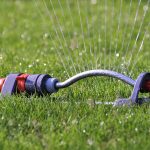
If you do water, water deeply and rarely rather than little and often. A single soaking of around 15 litres per square metre once a week encourages roots to chase the moisture downward, while a daily light sprinkle keeps roots shallow and lazy and wastes most of the water to evaporation. Water in the early morning so the lawn dries during the day. A taller lawn needs less of this than a short one, which is the whole point: raising the cut reduces your watering bill at the same time as it keeps the grass green.
Common Mistakes That Undo the Benefit
The most common error is cutting short before going on holiday, on the logic that a short lawn buys more time before the next cut. In summer this backfires. A scalped lawn left through a fortnight of heat comes back browner and thinner than one left a little long. If you are away, set the mower high before you go, not low.
The second mistake is collecting every clipping. In a dry spell, letting fine clippings fall back into a high-cut lawn returns moisture and nitrogen to the soil and shades the surface further. As long as you are following the one-third rule, the clippings are short enough to break down within days and will not build thatch.
The third is panicking when the lawn does brown off. Cool-season grass is built to go dormant in drought, turning straw-coloured to protect its crown, and it greens up within a week or two of real rain. A browning lawn that has been kept tall and fed lightly almost always recovers. A lawn scalped short and starved is the one that thins out and lets weeds and moss take the bare ground. Get the height right and most of summer lawn care takes care of itself.