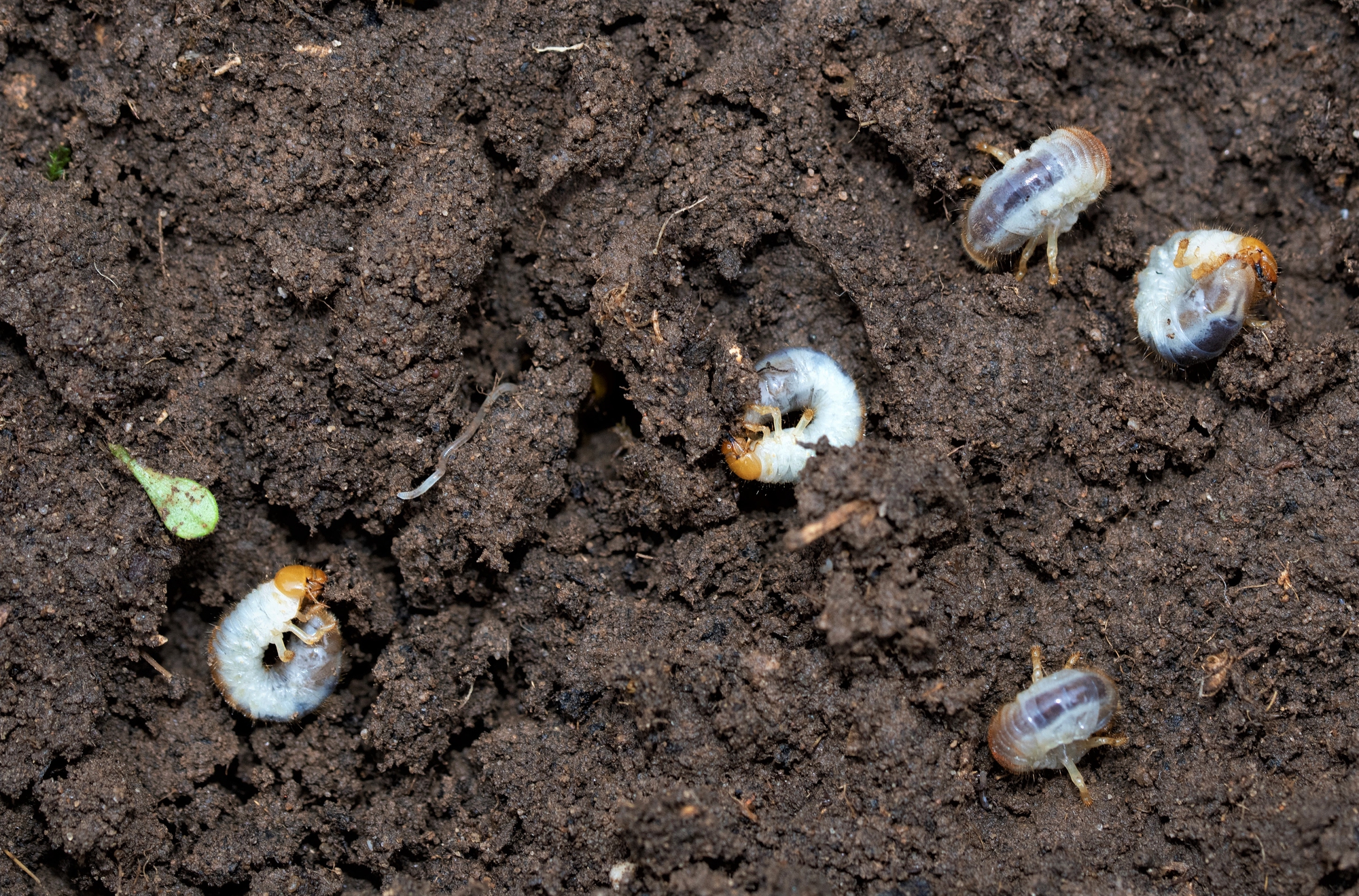
- Leatherjackets are crane fly grubs that chew through grass roots below the surface, leaving yellow-brown patches that peel back like a loose rug.
- The autumn fix that works is watering pathogenic nematodes into moist soil while it stays above 12°C (54°F), a treatment the grubs cannot survive.
- Aerating packed turf, firming the lifted patches and reseeding thin grass stops next year’s grubs turning your lawn into a feeding station for crows and starlings.
The Grey Grubs Under Your Yellow Patches, and Why the Birds Got There First
Walk out to a stretch of lawn that has turned yellow-brown and lifts when you tug it, and the culprit is often sitting in the top few centimetres of soil. Leatherjackets, the grubs of crane flies, feed on grass roots until the turf above them dies and loses its grip. Peel back a dying patch and you will find them: fat, greyish-brown, legless bodies up to 30mm (just over an inch) long, with no visible head. Get the treatment right this month and you can stop the damage spreading before the cold sets in and the grubs go quiet for winter.
The control that actually clears them is a pathogenic nematode, either Steinernema feltiae or Steinernema carpocapsae, watered into the turf. These microscopic soil worms track down the grubs and kill them from the inside with a bacterial infection. Early autumn is the window. The Royal Horticultural Society advises applying nematodes in September to early October, while the young grubs are still small and the soil holds enough summer warmth for the worms to stay active. A pack that treats around 100 square metres (roughly 1,075 square feet) runs about £12 to £20 ($16 to $26) from garden centres and online suppliers, sold under names like leatherjacket killer.
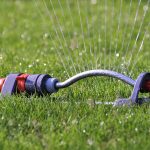
Water the lawn first if the ground has dried out, mix the nematodes as the supplier directs, water them in across the affected turf, then water again to carry them down to root depth where the grubs are feeding. Skip the spray-on lawn weedkillers here. Nothing you spray on the surface reaches a grub sitting two or three centimetres down, and there is no chemical grub killer sold for home lawns to fall back on. The living worms are the tool that works.
How to Be Sure It Is Leatherjackets and Not a Disease
Yellow-brown patches can come from drought, dog urine, a fungal problem or compacted ground, so confirm the cause before you spend money on a treatment. The quick test is to lift a dying patch of turf with a hand fork or trowel and look in the surface layer of soil. If leatherjackets are behind it, the grubs will be right there, curled in the top inch of earth. Healthy turf will not have them in any number.
If you want to check a wider area without cutting it up, soak a suspect patch with water in the evening and lay something light-proof over it overnight, such as a sheet of black polythene pinned down at the edges. By morning the grubs move up to the surface under the cover, and you can count what you find. A handful across a small area is normal in any garden and nothing to treat. Dozens packed into every square foot, with grass that pulls away in your hand, is the level that kills turf and earns the treatment.
The birds will often tell you first. Crows, magpies, rooks and starlings hunt leatherjackets in turf, tugging them out and leaving small round holes where their beaks went in. A lawn suddenly pocked with bird holes and patrolled at dawn is a lawn with a grub problem underneath, and the flock is doing free survey work for you.
Why They Turned Up in Your Lawn This Year
The adult crane flies, the leggy daddy-longlegs that drift indoors on autumn evenings, emerge and lay their eggs in turf and soil from August to October. The eggs hatch a few weeks later and the young grubs start feeding on grass roots straight away. A wet late summer and autumn hands them ideal conditions, as damp soil keeps the eggs and young grubs alive. A dry spell at laying time does the opposite and knocks numbers back, which is why a cloud of daddy-longlegs one year does not always mean a ruined lawn the next.
What happens next depends on the winter. Through a cold winter the grubs stay small and do little harm until mid-summer. Through a mild one they keep eating, and can grow large enough to thin the lawn by late winter. When they finish growing they pupate in the soil, and the empty pupal cases are often left poking up out of the turf as the new flies emerge. That is the full year: eggs in autumn, feeding through the cooler months, adults in late summer, and the cycle starts again.
Repairing the Damage They Have Already Done
Once the grubs are dealt with, the bare and yellowed patches will not always knit back on their own, and thin turf invites moss and weeds into the gaps. Rake out the dead grass firmly with a spring-tine rake to clear the debris and expose soil in the worst patches. A metal spring-tine rake costs about £8 to £18 ($10 to $23) and does the job in minutes. Firm any turf the grubs have loosened back down with your foot or the back of the rake so the roots meet soil again.
Reseed the bare patches while the soil is still warm. Scatter a hard-wearing lawn seed at the rate on the box, usually around 35g per square metre (about 1 ounce per square yard), press it into contact with the soil, and keep it damp until it takes. A box of lawn seed runs £8 to £18 ($10 to $23). Early autumn is a strong time to sow, as the warm soil and cooler damp air help seedlings root without the drought stress of high summer. On larger dead areas, a length of new turf laid over cleared soil gives an instant repair for around £4 to £7 ($5 to $9) a square metre.
How to Stop Them Coming Back Next Year
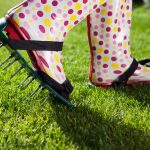
Leatherjackets settle most heavily in tired, compacted, poorly drained turf, so the real defence is a lawn that drains and grows strongly. Push a garden fork straight down every 10 to 15cm (4 to 6 inches) across the worst areas and rock it to open the holes, or hire a hollow-tine aerator for around £30 to £50 ($40 to $65) a day on heavy ground. Opening the soil lets water drain away rather than sitting in the root zone, and damp, airless turf is exactly what the eggs and young grubs want.
Feed with an autumn lawn feed, not a summer one. Autumn feeds are low in nitrogen and higher in potassium and phosphorus, which harden the grass off and build roots for winter rather than pushing soft top growth that grubs and disease pick off. A dense, deep-rooted lawn shrugs off a level of root grazing that would leave thin turf looking bald. Let the birds keep hunting through winter as well; they are the one predator working the soil for free, and their small beak holes heal over fast in growing turf. If you have reseeded, cover fresh patches with netting for a week or two so the flock lifts grubs without lifting your new seed.
When to Treat Now and When to Wait
Timing decides whether the treatment is worth buying. Nematodes need moist, free-draining soil above 12°C (54°F) to hunt, and they lose their bite as the ground cools. Apply them in the early autumn window and they work. Leave it until the damage is obvious in the depths of winter and the soil is often too cold for them to do anything, so you would be watering in a pack that cannot move. If you have missed the warm window this year, hold your money, repair the turf, and mark next September to treat while the grubs are young and the soil is still working.
Call in a professional lawn treatment service only when the same lawn is stripped year after year even with autumn nematode treatment and good aeration. That pattern points to a drainage fault or a heavy local crane fly population that a one-off treatment will not fix, and a turf specialist can assess the ground and treat a large area properly. For a single bad autumn in an ordinary garden, the fork, the nematodes, a rake and a box of seed are all the kit you need.