In the shady, damp corners where grass thins out and gives up, most gardeners keep fighting a losing battle with seed and feed. There is another option. A moss lawn turns those difficult spots into a soft green carpet that never needs cutting, asks for no fertiliser, and pulls carbon out of the air while it grows. In cooler, damp climates, the appeal is starting to be recognised, drawing on a tradition that has shaped Oriental garden design for centuries. Here is how to grow one, and how to judge whether your ground will suit it.
What a Moss Lawn Actually Is
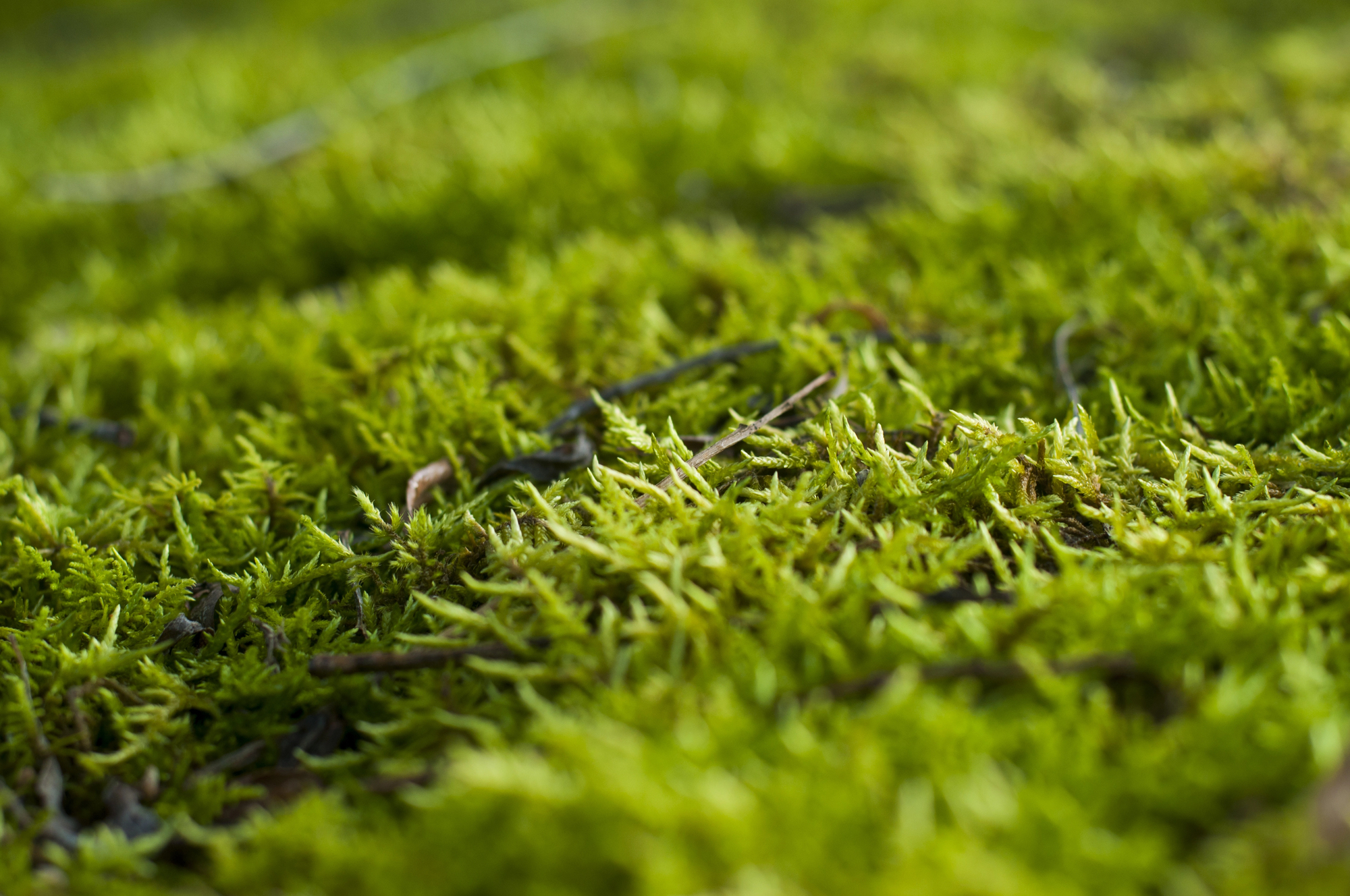
Moss is the oldest plant group on earth, in existence for more than 400 million years. A moss lawn is a green carpet made from one or more native moss species, forming a velvety layer that grows on soil and also clings to concrete, rock and wood. What sets moss apart from grass is not just its look but its plumbing. Mosses are non-vascular. They have no true roots and no internal pipework to move water and food around. Instead, every part of the plant absorbs moisture and nutrients directly through its foliage.
That single fact explains almost everything about how a moss lawn behaves. With no roots to draw water from deep in the soil, moss depends entirely on moisture at the surface and in the air around it. It cannot tap reserves a metre down the way a grass root system can in a dry spell. This is why moss thrives in shade and humidity and collapses in hot sun, and why it needs a different care routine from the one you would give a traditional lawn. It also grows slowly, so a moss lawn is a project measured in seasons, not weekends.
Where Moss Will Grow, and Where It Will Not
Grow a moss lawn in full or partial shade on soil that holds moisture well without turning waterlogged. The ideal chemistry is neutral to slightly acidic, with a pH between five and seven. Test your ground before you spend anything on moss. A basic soil pH kit costs around £8 to £15 (about $10 to $20) from garden centres, Amazon, B&Q or the RHS shop, and it takes ten minutes to use. If your soil sits above pH seven, most carpet mosses will struggle, and you will save yourself a wasted order by finding out first.
Be honest about foot traffic too. A moss lawn will cope with light or occasional walking, but it will not survive a route the children run across every day or a path to the shed. Where feet will land often, lay stepping stones or a hard path and let the moss grow around them. Moss also will not tolerate baking sun or long droughts, so an open, south-facing lawn is the wrong home for it. Match the plant to the site and it rewards you with a handsome, low-effort surface. Force it into the wrong spot and it browns and dies.
How to Prepare the Ground and Plant It
Preparation decides whether a moss lawn establishes or fails, and the biggest job is weeds. Dig over the area to create a loose, open texture, then strip out every weed. For perennial weeds like dandelion, dock and bindweed, remove every scrap of root. Moss grows so slowly that a single surviving weed root will push up through the young carpet and swamp it long before the moss can knit together. This is the step most people rush, and it is the one that ruins the result.
If the soil is dry, water it thoroughly a day or two before planting. When your moss arrives, unpack it at once and soak it in water for up to half an hour so it is fully wet before it goes down. Use collected rainwater rather than mains water for this. Tap water in hard-water areas carries dissolved lime, which pushes the pH up and is too alkaline for acid-loving moss. Spread the clumps across the ground, breaking them into smaller pieces for even coverage, and leave only small gaps between them. Wide gaps mean bare soil for months while the moss creeps across. Press each piece down gently so it makes firm contact with the soil beneath, which is what lets it anchor and spread.
Caring for a New Moss Lawn
After planting, water gently and evenly with a hose on a fine spray setting. Keep watering through dry spells for the whole first growing season, until the moss has made good contact with the soil and started to spread. Remember that moss drinks through its foliage, so light, frequent misting in dry weather does more good than an occasional heavy soak that runs off before the plant can take it up. Rainwater from a water butt is again the better choice in hard-water districts.
Weed early and often. Once a weed roots into a young moss lawn it is almost impossible to lift without tearing out a patch of moss with it. Pull young weeds by hand while they are small, or lever them out carefully with a pronged hand weeder, which costs around £6 to £10 (about $8 to $13). Keep fallen leaves and debris off the surface, either lifting them by hand or using a leaf blower on a low setting. A cordless garden blower runs from about £40 to £70 (roughly $50 to $90). Do not rake a moss lawn. Raking tears the shallow growth away from the soil and undoes months of establishment, which is exactly what you are trying to avoid. One piece of good news to offset the care: moss grown in the right conditions is not troubled by pests, diseases or disorders, so there is nothing to spray and nothing to treat.
Choosing the Right Moss and Where to Buy It
Hundreds of moss species grow wild in temperate regions, but only some make good lawns. Carpet moss (Hypnum species) is one of the best, forming dense, ground-hugging mats in subtle shades of green across a range of soils, and it tolerates short dry spells and brief sunlight better than most. Common haircap moss (Polytrichum commune) is one of the tallest, with green stems reaching up to 30cm (12in) in clumps, but it needs acidic soil and constant moisture, so it suits high-rainfall spots, pond edges and stream sides rather than an average garden. Common tamarisk moss (Thuidium tamariscinum) has feathery light-to-mid-green foliage and grows best on neutral soil. Glittering wood moss (Hylocomium splendens) forms low carpets of light green growth with red stems. One name to watch: Irish moss (Sagina subulata) is not a true moss at all but a ground-cover perennial, though it does make a workable grass alternative.
Live moss for lawns comes from a small number of specialist online suppliers such as Moss Clerks, Highland Moss and Carbeth Plants, usually sold as a mix of species under a heading like “moss lawn.” Check what you are buying. A lot of live moss is sold for terrariums, vivariums and house-plant displays rather than for ground cover. The most common trap is sphagnum moss, which is a bog plant and will not make a lawn. Never harvest moss from the wild for your garden. It grows too slowly to recover and it supports wildlife wherever it sits, so taking it does real damage. Buy from a supplier that farms its moss or collects it responsibly, for example from tree plantations where it would be destroyed at felling anyway.
Start small. Test your pH, pick one shaded, moisture-holding bed rather than the whole garden, clear it of weeds completely, and plant a single well-chosen species or a supplier’s lawn mix. Water through the first season, keep the leaves off, and let time do the rest. In the right spot you end up with a soft green surface that never needs a mower, never needs feeding, and quietly does its bit for the air.