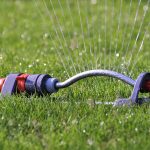
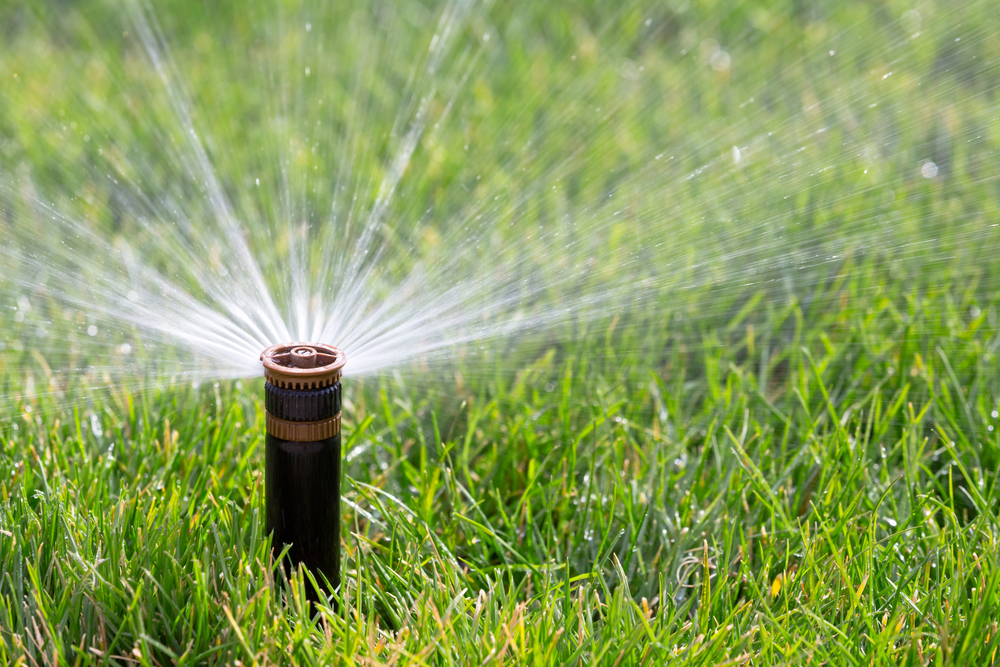
If you only change one thing about watering this summer, change the clock. Watering between 4am and 9am puts almost all the water into the soil where the roots can use it, while watering at midday throws much of it into the air and watering in the evening leaves the lawn wet all night and invites disease. The grass does not care whether you used a sprinkler or a can. It cares how much water reached the root zone, and the time of day decides how much of what you put down actually gets there.
Why Early Morning Beats Every Other Time
Water leaves a lawn in two ways: it soaks down into the soil, or it evaporates off the surface and the leaf into the air. The rate of evaporation is driven by heat, sunlight and wind. In the cool, still, often slightly humid air of early morning, all three are at their lowest, so the water sits on the soil long enough to percolate down to the roots before the day warms up. Put the same water down at one in the afternoon, when the soil surface is hot, the sun is fierce and there is often a breeze, and a large share of it turns to vapour before it ever soaks in. You pay for the same volume of water and the lawn receives far less of it.
There is a second reason morning wins, and it is about disease rather than waste. Lawn fungal diseases such as red thread and various leaf spots need the grass blade to stay wet for a long stretch of hours to take hold and spread. Water in the morning and the rising sun dries the leaf within an hour or two, so the wet window is short and the fungus gets no foothold. Water in the evening and the leaf stays damp through the whole cool night, which is exactly the long wet period the fungus needs. If you have battled patches of pink-tinged grass before, our guide on how to spot and stop red thread explains how closely it is tied to leaves staying wet.
How Much, How Often, and Why Little and Often Fails
Getting the timing right is only half the job. The other half is depth. A healthy lawn wants roughly 25mm (1 inch) of water a week in dry weather, whether from rain or from you, and it wants that water in one or two deep soakings rather than a daily splash. The reason is root behaviour. When you water deeply and then let the top of the soil dry out before the next watering, the roots chase the moisture downward and grow deep, which makes the grass far better at finding water in a dry spell. When you water a little every day, the moisture never travels far below the surface, so the roots stay shallow and lazy near the top, and the first hot day that dries that thin layer leaves the grass gasping. Frequent shallow watering trains a lawn to be weak.
To measure 25mm without guessing, stand a few empty tuna or cat-food tins around the lawn while the sprinkler runs and time how long it takes to collect 25mm in them. On most sprinklers that is somewhere between 45 and 90 minutes, and once you know the figure for your setup you can set a timer and forget it. Apply that once or twice a week rather than every day. On heavy clay soil the water will run off if you apply it all at once, so split it into two shorter bursts an hour apart to let the first soak in. On free-draining sandy soil the opposite is true and the water vanishes downward quickly, which is its own problem covered in our piece on watering deeply so a lawn survives the driest weeks.
A simple test tells you whether the water has gone deep enough. An hour after watering, push a long screwdriver into the lawn. If it slides in easily to a depth of 15cm (6 inches) the soil is moist down to the root zone and you have done the job. If it stops short after a few centimetres, the water has only wetted the surface and you need to run the sprinkler longer next time. This one check stops you from both underwatering, which browns the lawn, and overwatering, which wastes water and drowns the roots.
When You Cannot Water in the Morning
Not everyone is up and free at six in the morning, and the good news is that the timing is easy to automate. A simple battery timer that screws onto an outside tap costs around £15 to £30/$19 to $38 and will open and close the water on a schedule you set once, so the lawn is watered at dawn whether you are awake or away. Pair it with the tins test to dial in the run time and you have a hands-off system that waters at the best possible moment of the day for a fraction of the cost of an installed irrigation system.
If you genuinely cannot water in the morning and a timer is not an option, the late afternoon, roughly between four and six o’clock, is the second-best window, and only because it still leaves enough warmth and daylight for the leaf to dry before nightfall. The one time to avoid above all others is the late evening or night. It feels efficient because nothing evaporates in the dark, but that is precisely the problem: the water that does not evaporate keeps the leaf wet for ten or twelve hours straight, which is an open invitation to fungal disease. The aim is never simply to get water onto the lawn. It is to get water into the soil while keeping the leaf dry, and the early morning is the only time of day that does both at once.
Finally, remember that an established lawn is tougher than it looks. If a dry spell beats you and the grass turns straw-coloured, it has almost certainly gone dormant rather than died, and it will green up again within a couple of weeks of proper rain. That means watering is about keeping a lawn looking good through summer, not about saving its life, so there is no need to pour water on in a panic at the wrong time of day. Water deep, water at dawn, and let the screwdriver tell you when you have done enough.
Reading the Lawn’s Thirst Before You Water
The best waterers respond to the grass rather than the calendar, because a lawn does not need the same amount every week and watering on a fixed schedule either wastes water or starves the roots. Grass tells you clearly when it is starting to run short. The first sign is colour, as the bright green dulls to a blue-grey or smoky tint a day or two before any browning appears. The second is the footprint test: walk across the lawn and look back, and on a well-watered lawn the blades spring straight up behind you, while on a thirsty one they stay flattened and your footprints linger because the grass has lost the water pressure inside its cells that holds it upright.
A third clue is the blades themselves, which fold or roll inwards along their length as the grass tries to cut down the surface area losing moisture. When you see any of these signs, water deeply the next morning and the lawn bounces back within hours. Learning to read them means you water only when the grass actually needs it, which on many lawns is far less often than people assume, and it stops the daily-sprinkler habit that grows shallow roots. Watch the colour, the footprints and the fold, and let the lawn set the schedule rather than the clock on the wall.