
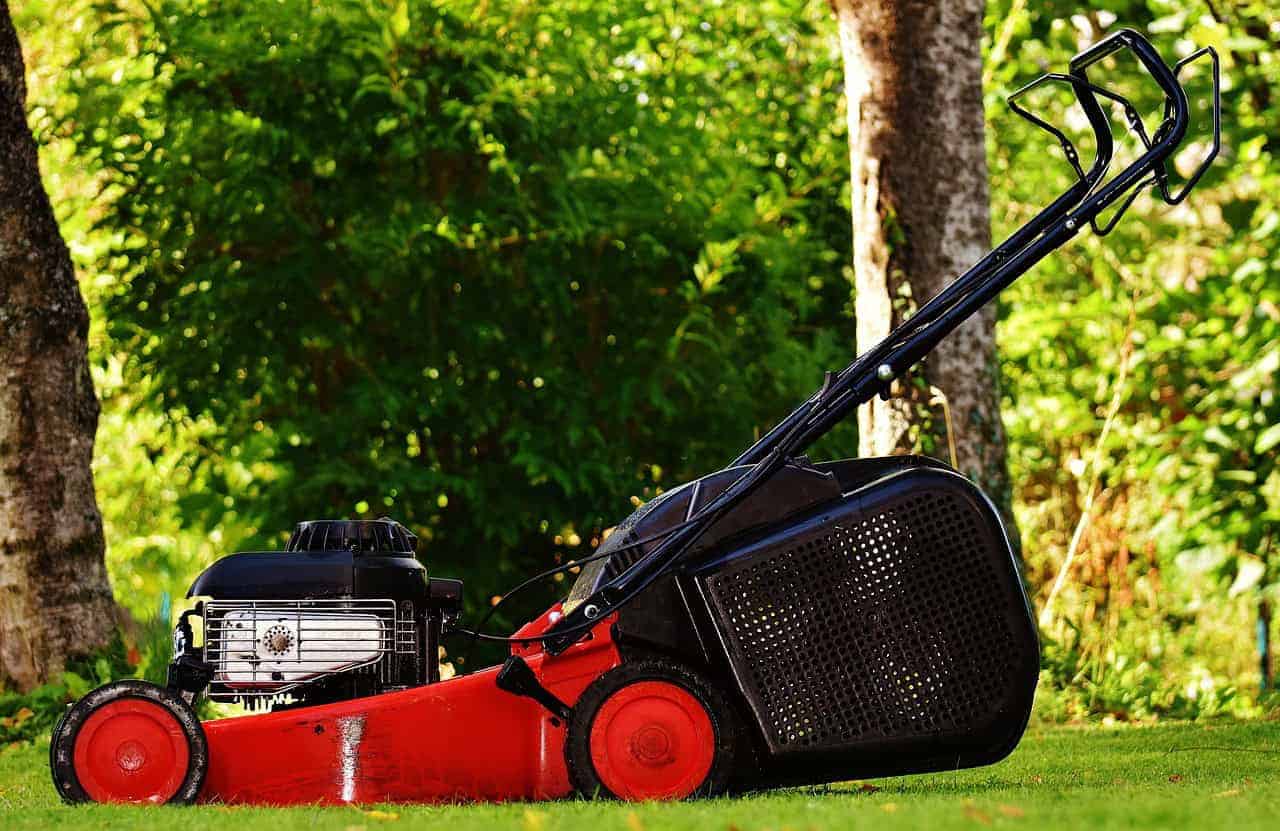
- A mulching kit swaps the blade and covers the discharge opening, so clippings swirl under the deck and get cut again before they drop into the grass.
- The kit fails when owners mow lower, mow less often or mow wet grass, and each habit has a plain mechanical reason.
- Skip the kit and bag the clippings when the grass is long, full of weeds or buried under a thick mat of leaves, and wait for a dry day rather than mow wet grass.
A Mulching Kit Only Works If You Keep Mowing the Same Way
A mulching kit will work on the mower you already own if the cover fits over the discharge opening, the blade is sharp and your mowing habits stay exactly as they were. Change the habits and the kit does the opposite of what you bought it for. It leaves clumps on the lawn and weakens the grass.
Fitting a kit is a job for the off-season, with the mower on the bench rather than half way through a Saturday cut. It is also the time to decide whether you want the kit at all.
Dr Bob Black, extension specialist in consumer horticulture at the University of Florida, made the case for mulching mowers to a Florida turf conference in remarks published in 1994: “But mulching mowers are here to stay,” he said. “We need to educate the customer as to their use.”
Check the right cutting height for the month, and whether your planned cut is safe, with the calculator below or open the mowing height guide.
Open the full calculator to use this tool.
What a Mulching Kit Actually Changes
A conventional rotary blade is straight. It cuts the grass once and sends the clippings out through the side or back of the deck, into a collection box or onto the lawn. A mulching blade is shaped to push the clippings toward the underside of the deck and cut them several more times before they fall. Some mulching blades are curved, some serrated, some both.
David Kopec, extension turfgrass specialist at the University of Arizona, explains the trick as swirling, or hang-time. The special blade and deck design keep the clippings suspended longer, so the blade cuts them more times. The result is fewer visible clippings and faster decomposition from the shredding. A mulching mower leaves the clippings as a fine layer at the base of the grass, barely visible, instead of collecting them.
That swirl needs a closed deck. A mulching mower has no side or back outlet, and a conversion kit typically includes a cover for the discharge opening. Without the cover, a clipping that leaves through the opening has been cut once and gets no second chance. The mower will not mulch properly without it.
Black listed what a conversion kit can contain: a discharge chute or plug plate, special mulching blades, and belts and fans that chip and scatter the clippings.
What to Check Before You Fit a Kit
Does the cover close your discharge opening? The cover has to sit over the opening on your mower and shut it, so check the kit is made for your mower before you pay. A gap leaves an exit for clippings. The blade has to fit the deck too, and checking the cutting width gives you the first measurement to take.
Is the blade sharp, and will you keep it sharp? Mulching advice is to sharpen the blades frequently to maintain cutting power, and to clean the blades and the underside of the deck before and after mowing. Black’s first rule of the four he gave is the same: keep blades sharp.
Is it a kit or a dedicated machine? Black described two types of mulching mower, multi-use (convertible) and dedicated. Fitting a kit makes your mower a convertible. He cited a consumer magazine test that found mulching-only mowers better than convertible ones. That test was reported in 1994, so treat it as a reason to keep your expectations modest rather than a verdict. His fourth rule was to buy a high-quality machine, and a kit cannot change the quality of the mower under it.
Is your lawn clean enough to mulch? Mulching weeds spreads their seeds. Black’s answer to whether mulching mowers promote weeds was yes. If the lawn is full of weeds, bag the clippings until you have reduced them.
The Three Beliefs That Make Mulching Fail
Kopec lists three beliefs about mulching mowers and calls each one false. Each fails for a reason you can see under the deck or in the grass.
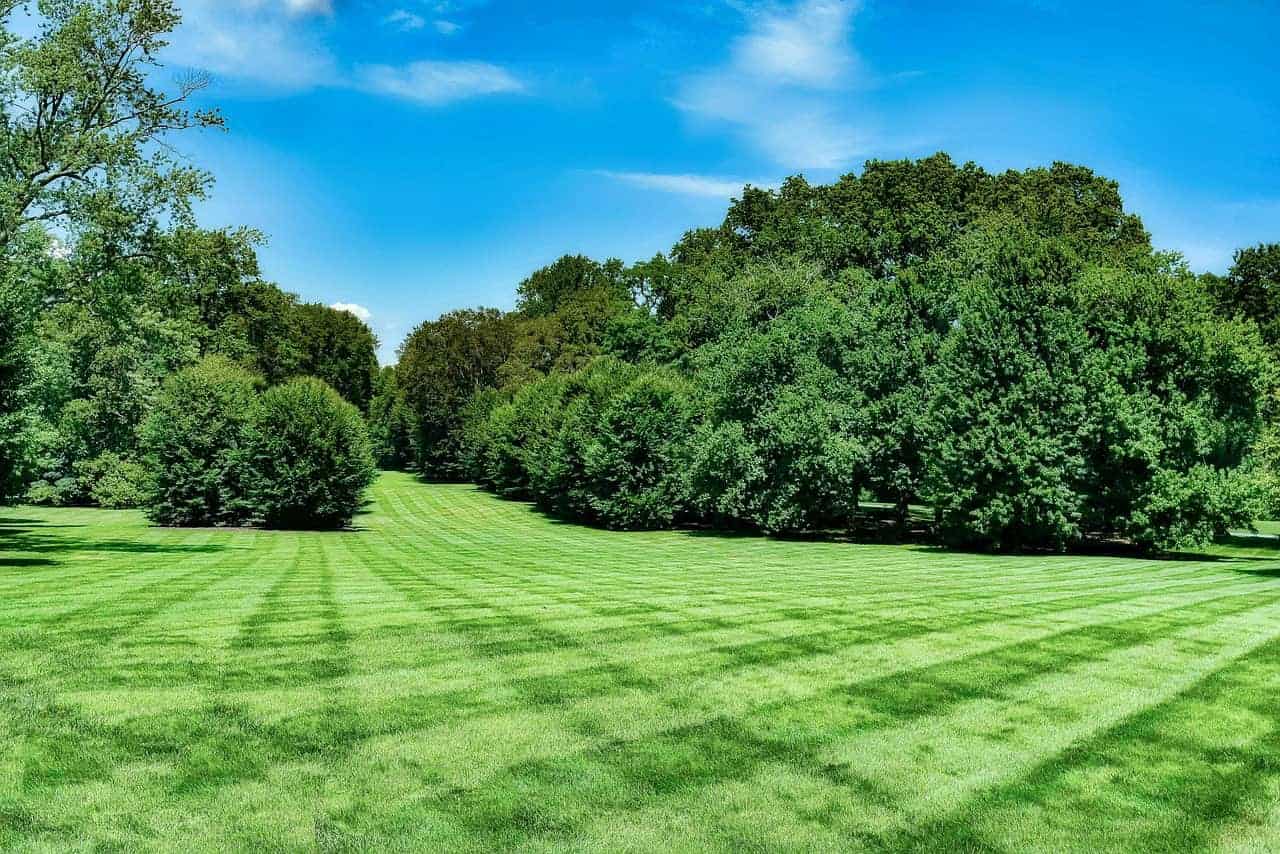
“I can mow lower now since I have a mulching mower.” The blade does not change what the grass can take. Kopec: “Turfgrass cultivars have specific recommended mowing heights, which is a function of leaf width, shoot density and internode length.” No more than one third of the vegetation should come off in a single cut, and breaking that rule scalps the turf, which he calls extremely detrimental. On a lawn standing 7.5 cm (3 in) tall, one third is 2.5 cm (1 in), which is also the most Black allowed: no more than one inch of leaf blade. Mulching advice adds that the grass should generally sit about half an inch (1.3 cm) taller than it would if you were collecting, which keeps the roots healthy and hides the pulverised clippings. Measuring the real blade height gets more important once you start cutting taller on purpose.
“I can mow less frequently since I am using a mulching mower.” You see fewer clippings, so skipping a week feels harmless. The grass is taller at the next cut, and the one-third rule decides what happens next. Kopec: “This causes scalping, regardless of the mower type.” Long grass also breaks the mulching itself. The RHS notes that on longer grass a mulching mower can produce excess clippings that you then have to collect afterwards. The advice is to mow often so oversized clippings do not build a layer of thatch. Kopec puts it bluntly: “This practice will weaken the turf and is not a valid use of a mulching mower.”
“I can mow wet grass with a mulching mower without any problem.” A mulching mower does leave fewer clippings behind on wet grass, but Kopec calls it an unwise practice. Kopec: “The underside of the deck will “clump up” very quickly. This negates the air-deck aerodynamics which are necessary for proper mulching.” Once the deck is clogged the air flow that keeps the clippings circling is gone. Black’s tip list says the same: keep off wet turf. Wait for the morning dew to clear. Mowing a wet lawn has its own effects on the soil and the grass beneath, whatever blade is fitted.
What Returned Clippings Give Back
Clippings carry nitrogen, potassium and phosphorus, and mulching grinds them small enough to decompose quickly. The microorganisms that do the breaking down leave waste that combines with the soil into carbon-rich humus, which helps the soil hold moisture. On the question of yard waste, Black said: “returning the clippings to the lawn is the best solution.”
Kopec puts a number on the nutrient return: “Mulching mowers are excellent choices for most lawns. They re-cycle valuable nutrients (about 10-15% of the lawns requirement) and save valuable land-fill space which is needed for other items in our disposable society.”
Black gives a second number: returning clippings, he noted, can save “as much as two pounds of fertilizer per 1000 square feet per year.” Two pounds (0.91 kg) per 1,000 square feet (92.9 square metres) comes to 9.8 g per square metre a year. On a 200 square metre (2,153 square foot) lawn that is up to 1.95 kg (4.3 lb) of fertiliser a year that the clippings replace. Treat it as the top of the range.
Time shrinks too. A study in Texas, reported by Black, found that returning clippings cuts the average mowing time by 38 percent, with no bag to empty. Black’s answers to the usual worries run in the kit’s favour. A Texas A&M study found mulching did not promote disease. A University of Illinois study found it did not promote thatch, and a University of Illinois study also found turf quality was better at low nitrogen levels. Mowing frequency does not go up. Mowing speed comes down: you have to mow slower to give the blades time to mulch.
When to Skip the Kit and Bag Instead
Bag the clippings when the grass has got away from you. Long grass can produce excess clippings that need collecting. Take it down in stages that respect the one third rule, and collect what comes off. Bag when the lawn is full of weeds, for the seed reason above. Leave the mower in the shed while the grass is wet, whatever the forecast says tomorrow.
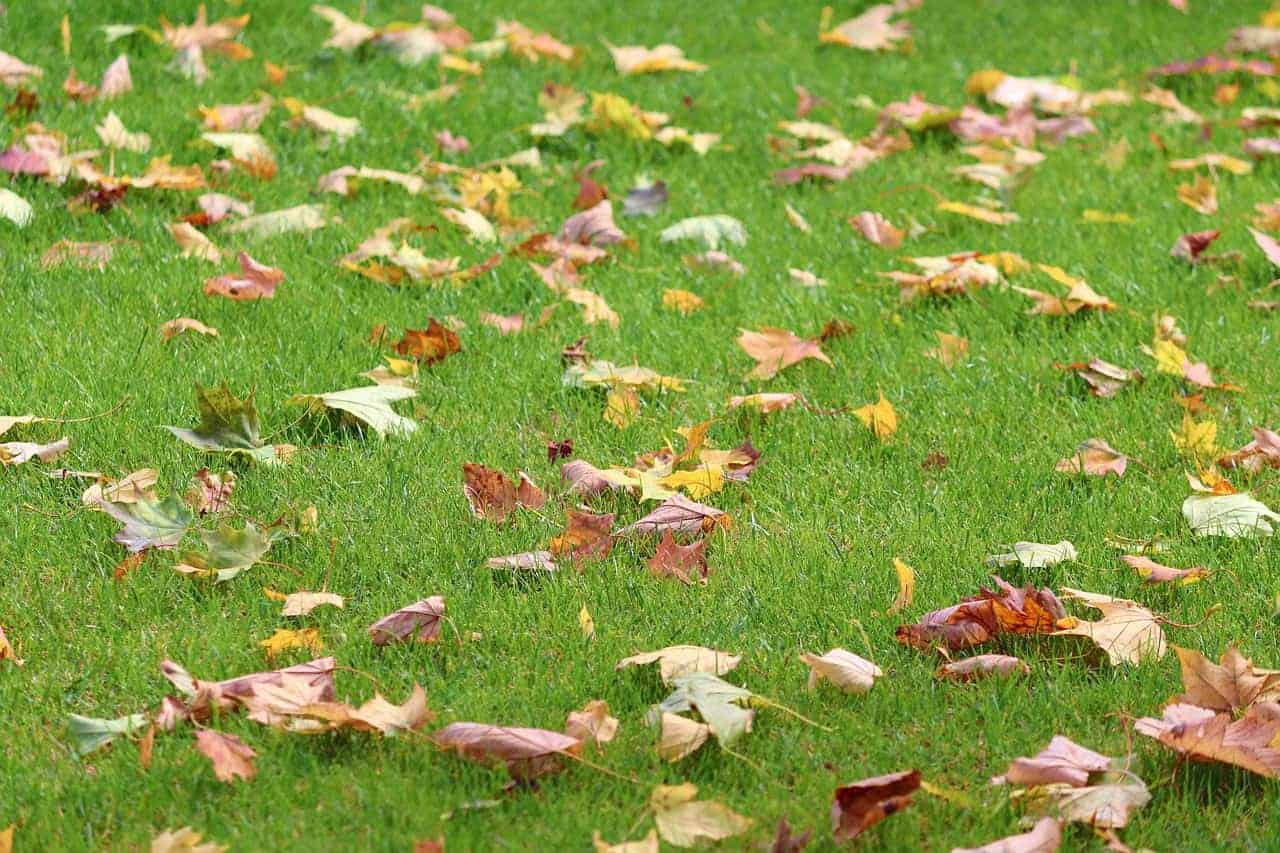
Fallen leaves are the cold-season use for the kit. Leaves hold nitrogen, phosphorus and potassium drawn from the soil, and leaf mulch is easily made by mowing, with every method working best when the leaves are dry. Wait for a dry day. A soaked mat of leaves under the deck is the same wet material that clogs it in the wet grass section, so rake that off instead.
Black asked “Are mulching mowers a salvation or a curse?” and answered it himself: “Neither. But they give the industry an opportunity to provide quality lawn care while saving energy and protecting the environment.” That is a fair summary of the kit. It pays back when you keep the cut height, the cutting rhythm and the dry-grass rule, and it costs you when you treat it as permission to do less.
If the cover will not sit cleanly over the discharge opening, or the deck clumps in dry grass at the right height, stop adjusting. Ask a dealer for the kit made for that mower, or have a mower service look at the deck.
Sources
- Family Handyman: Why You Need a Mulching Lawn Mower
- University of Arizona Cooperative Extension: The Mystery of the Mulching Mower
- Michigan State University archive: Mulching mowers: saving the environment?
- RHS: Lawn Mowing Guide
