Why People Use Castor Oil for Moles

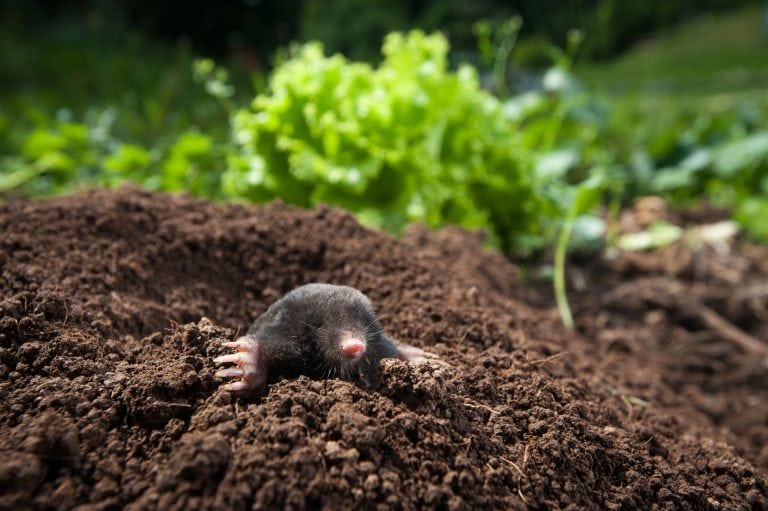
Moles are one of the most frustrating lawn pests to deal with. They do not eat grass, they do not eat roots, and they are not interested in your flower beds. What they are interested in is earthworms and grubs,…

Moles are one of the most frustrating lawn pests to deal with. They do not eat grass, they do not eat roots, and they are not interested in your flower beds. What they are interested in is earthworms and grubs,…

Not all grasses handle dry spells the same way. Some turn brown within a week of missed rainfall. Others hold their colour for months with barely a drop of supplemental water. The difference comes down to biology, and if you…

Every lawn problem that recurs year after year, from patchy growth and bare spots to disease, moss invasion, and poor drought recovery, can usually be traced back to a mismatch between the grass species in the ground and the conditions…

Hard fescue (Festuca brevipila, also listed as Festuca trachyphylla in some trade catalogues) is a non-creeping, tufted fine fescue valued above all for its ability to grow on thin, poor, and dry soils where most other lawn grasses would fail.…

Chewings fescue (Festuca rubra subsp. commutata) is one of the fine fescues, a group of closely related grass species valued for their narrow leaf blades, low maintenance requirements, and tolerance of shade, drought, and poor soils. It is a non-creeping…

Smooth-stalked meadow grass (Poa pratensis) is one of the most widely distributed native grasses in the British Isles. It grows naturally across meadows, road verges, parks, and agricultural grasslands from the south coast to the Scottish Highlands, and it appears…

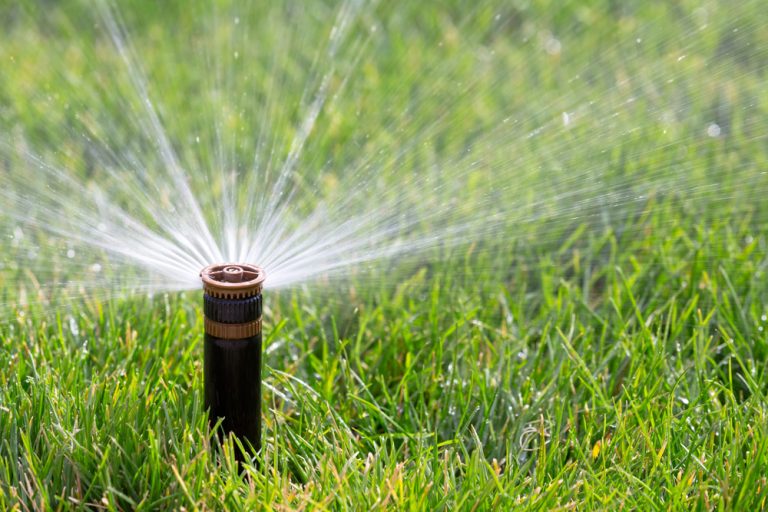
As winter fades and spring turns to summer, gardeners and homeowners face the challenge of transitioning their watering practices. The shift from cold, wet conditions to warmer, drier weather requires adjustments to irrigation methods. Properly adapting your watering routine ensures…

Browntop bent (Agrostis capillaris) is the grass behind every fine ornamental lawn in the UK. It is the species on bowling greens, golf putting surfaces, and the formal striped lawns that define British garden aesthetics at their most demanding. Where perennial…

Creeping red fescue (Festuca rubra rubra) is the grass that performs where perennial ryegrass cannot. In shaded gardens, on sandy soils, on dry chalk slopes, and in lawns that receive little supplementary water or feeding, it is the species that…

Perennial ryegrass (Lolium perenne) is the single most prevalent grass species in British lawns. Found in an estimated 70 to 80 per cent of domestic seed mixes sold in the UK, it accounts for the bulk of what grows underfoot…